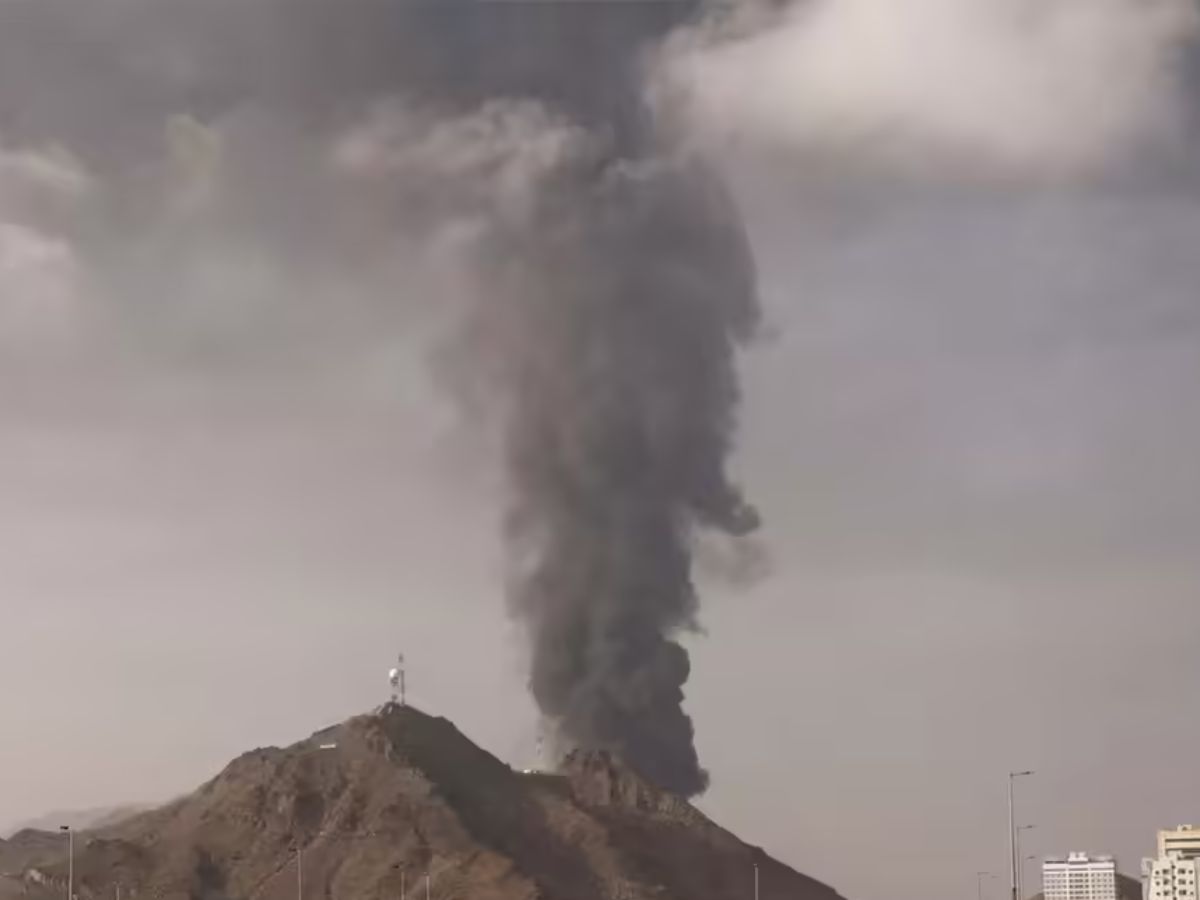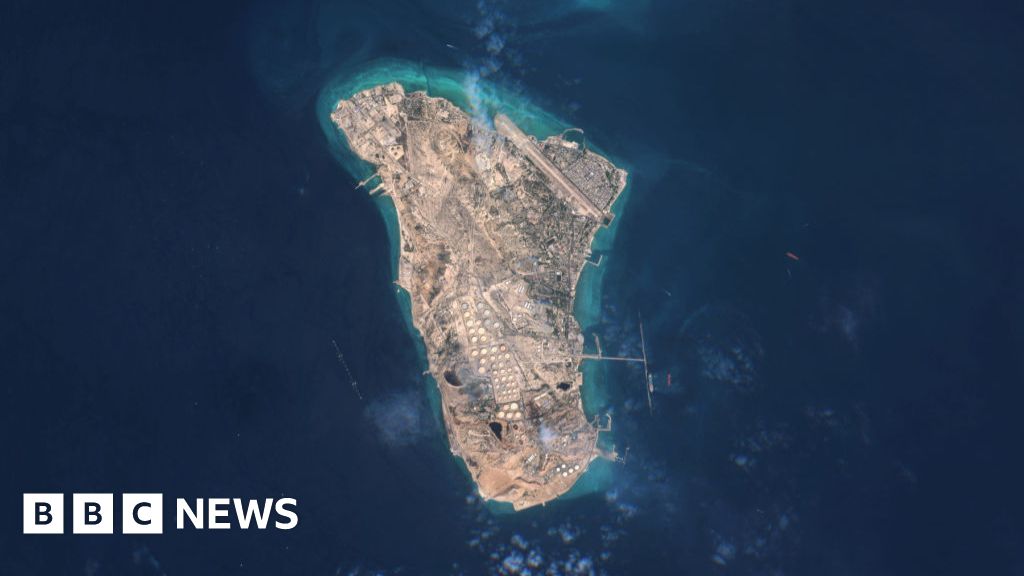

The escalating regional tensions surrounding the U.S.-Israeli operation against Iran are triggering a systemic disruption within the Middle East’s energy infrastructure, with profound implications for sovereign finances, venture capital investment, and regional connectivity. ADNOC’s forced shutdown of its critical Ruwais refinery complex – a processing hub capable of handling 922,000 barrels per day – following a drone attack represents a significant blow to Abu Dhabi’s downstream ambitions and underscores the vulnerability of the region’s hydrocarbon assets. This incident, compounded by similar disruptions impacting Saudi Aramco’s Ras Tanura refinery and subsequent capacity reductions across multiple Gulf refineries, is already estimated to have curtailed approximately 1.9 million barrels per day of global refining output.
The immediate business impact is substantial. Beyond the direct loss of refining capacity, the forced curtailments are driving up crude stockpiles, increasing storage costs for both producers and consumers, and creating significant volatility in global oil prices. Sovereign wealth funds, heavily invested in energy sector assets across the GCC, are facing potential write-downs and necessitate a reassessment of risk profiles. Furthermore, the uncertainty surrounding the Strait of Hormuz – a chokepoint accounting for roughly 20% of global oil trade – is fueling a surge in demand for alternative shipping routes and prompting increased investment in port infrastructure outside the region, potentially diverting capital away from traditional MENA development projects. This disruption also presents a critical test for the nascent sovereign wealth fund ecosystems currently being developed in countries like Saudi Arabia and Oman.
Venture capital activity within the MENA technology sector is likely to experience a pronounced slowdown. Investor confidence, already tempered by geopolitical instability, is further eroded by the heightened risk premium associated with energy sector investments. While sectors like cybersecurity, fintech, and renewable energy remain attractive, the immediate focus will shift towards bolstering resilience and diversification – a strategic imperative now amplified by the crisis. We anticipate a redirection of capital towards infrastructure projects designed to mitigate future disruptions, including enhanced drone detection and response systems, and investments in localized energy storage solutions, representing a significant shift from previously prioritized growth sectors.
The long-term implications extend to regional infrastructure development. The prioritization of security and redundancy will inevitably influence investment decisions, potentially leading to a greater emphasis on localized refining capabilities and a re-evaluation of reliance on single-point vulnerabilities. Increased investment in alternative energy sources, particularly solar and wind, will become not just an environmental imperative, but a strategic necessity. Moreover, the crisis highlights the urgent need for enhanced regional cooperation on maritime security and the establishment of robust contingency plans to safeguard critical energy infrastructure, a challenge that will require coordinated action across the GCC and beyond, demanding significant sovereign commitment and potentially reshaping the geopolitical landscape of the region.