
The Iran conflict hasemerged as a pivotal driver of capital reallocation risks across the Middle East and North Africa, with profound implications for sovereign budgets, venture ecosystems, and infrastructure development trajectories. While Europe’s markets face acute short-selling pressure due to energy volatility and geopolitical spillovers, MENA’s oil- and gas-dependent economies stand at a crossroads. The surge in Brent crude prices—up 50% since the war’s onset—could buoy hydrocarbon-reliant sovereign cash reserves in the region, offering temporary fiscal relief to states like Saudi Arabia and the UAE. However, the same energy surge risks exacerbating inflationary pressures in dollar-dependent economies across MENA, tightening borrowing costs and straining public finances amid competing priorities of subsidy rationalization and structural reforms. This dichotomy underscores a critical inflection point: sovereign capitals in MENA may negotiate short-term gains from energy price hikes, but face long-term vulnerabilities if geopolitical fragmentation disrupts global trade flows or diverts foreign direct investment toward regional safe havens. The strategic importance of energy security—particularly as Europe pivots to alternative suppliers—positions MENA nations to leverage their hydrocarbon dominance, though this benefit hinges on their capacity to diversify revenue streams beyond fossil fuels.
Venture capital activity in the MENA region is likely to experience asymmetric impacts in the wake of the Iran war. While the immediate outflow of global institutional capital into European equities might initially redirect some VC flows toward MENA’s tech and developmental sectors, the shadow of heightened geopolitical risk could trigger a liquidity crunch. Venture-backed startups in energy-intensive or fintech domains—already under regulatory scrutiny in many MENA jurisdictions—may face amplified operational costs, particularly as global supply chains destabilize. Conversely, opportunities could emerge in cybersecurity and decentralized infrastructure solutions, as regional governments seek to insulating critical systems from external shocks. Sovereign wealth funds (SWFs) in the Gulf, Managing billions in foreign reserves, may increasingly channel capital into domestic startups to mitigate external volatilities, thereby reshaping the competitive dynamics of MENA’s nascent unicorn ecosystem. However, this potential turnaround is contingent on policymakers maintaining a stable macroeconomic environment and fostering transparent regulatory frameworks, which remain inconsistent across the region. The war’s disruption of global financial markets could also deter foreign VC players, wary of currency devaluations or regulatory shifts, further limiting access to early-stage funding for innovative ventures in MENA.
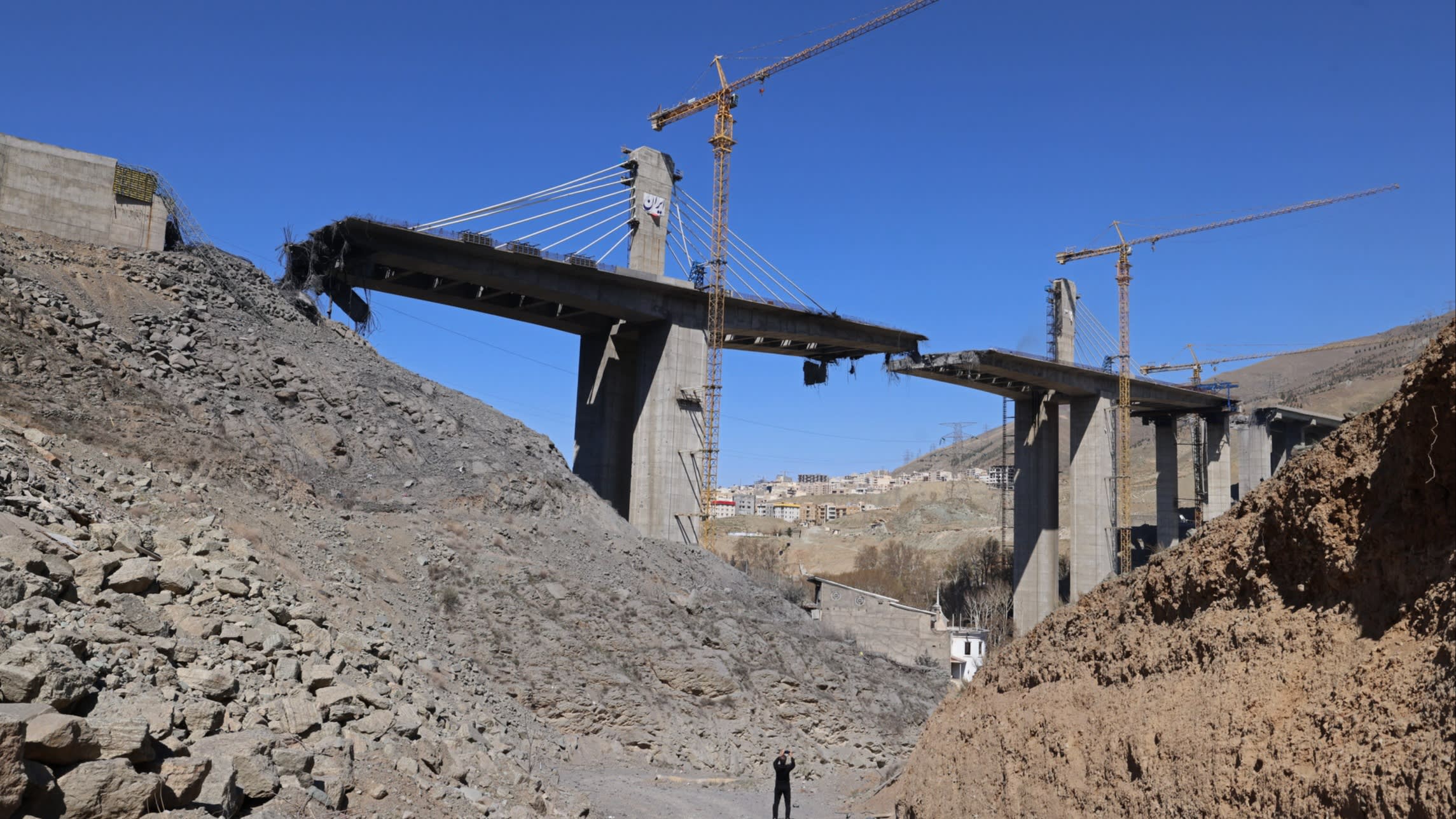
Regional infrastructure development in MENA is poised to face both opportunities and constraints as a result of the Iran crisis. The energy price surge could accelerate investments in renewable energy infrastructure, as Gulf states and others seek to reduce oil import dependency amid tightening global supplies. Projects like Saudi Arabia’s NEOM or Morocco’s Green City initiatives may gain traction as part of broader diversification strategies. However, the war’s ripple effects—particularly in global shipping routes and commodity logistics—could delay infrastructure projects reliant on imported components or financing. Furthermore, the conflict’s role in exacerbating sovereign debt risks might force regional governments to reprioritize spending, potentially delaying large-scale development programs in sectors like healthcare or education. From a technology perspective, the fallout could incentivize investment in digital infrastructure to bridge gaps caused by physical disruptions, accelerating MENA’s push toward smart cities and decentralized cloud solutions. Yet, this transformation requires robust public-private partnerships and a coherent regional strategy, which remain hampered by fragmented governance and competing national interests. The long-term success of MENA’s infrastructure agenda will thus depend on balancing immediate energy security needs with sustainable, diversified growth models that insulate the region from future geopolitical volatility.