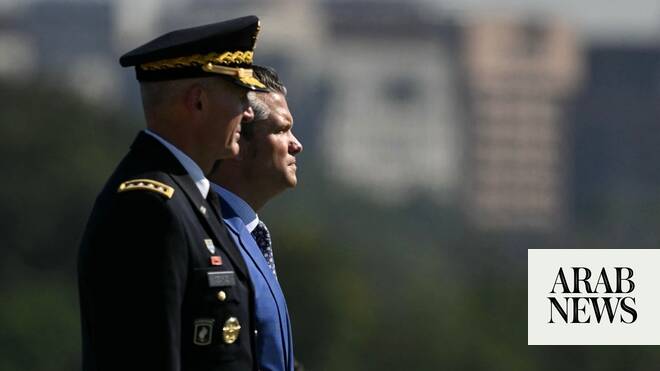

Pentagon officer purges and leadership transitions under Trump’s administration underscore a strategic realignment of U.S. military priorities, with profound implications for regional security architecture and capital flows in the Middle East and North Africa (MENA). The abrupt dismissal of General Randy George as Army chief of staff, framed as part of a broader effort to align military leadership with Trump’s “vision,” risks destabilizing long-standing defense partnerships in MENA. This volatility could deter sovereign wealth funds and institutional investors from committing to regionally sensitive infrastructure projects or defense-sector ventures, as geopolitical uncertainty intensifies. Sovereign capital allocation, already cautious amid persistent Iran-U.S. tensions, may shift toward liquidity preservation or de-escalation-focused assets, undermining momentum for large-scale initiatives reliant on U.S. military stability.
The integration of Trump-era priorities—emphasizing rapid modernization and operational autonomy—into existing MENA defense frameworks poses both opportunities and risks for venture capital stakeholders. Startups and firms embedded in defense-adjacent technologies, such as surveillance systems or logistics, may see increased patronage if U.S. defense contracting evolves toward modular, vendor-driven models. Conversely, the politicization of military leadership could erode trust in U.S. partnership frameworks, prompting regional governments to diversify procurement strategies away from American firms. For MENA’s nascent venture capital ecosystem, particularly in GCC states, this could divert attention from tech innovation toward security and compliance infrastructure, stifling sectors like fintech and green energy that depend on stable cross-border collaboration.
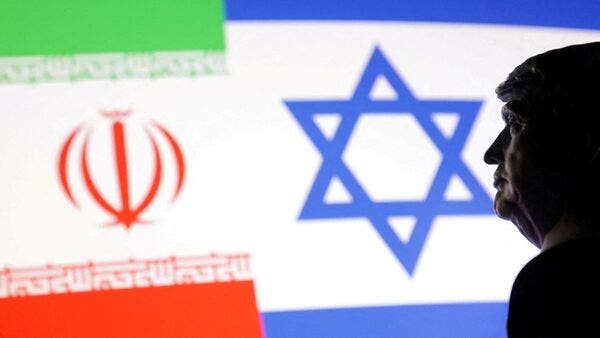
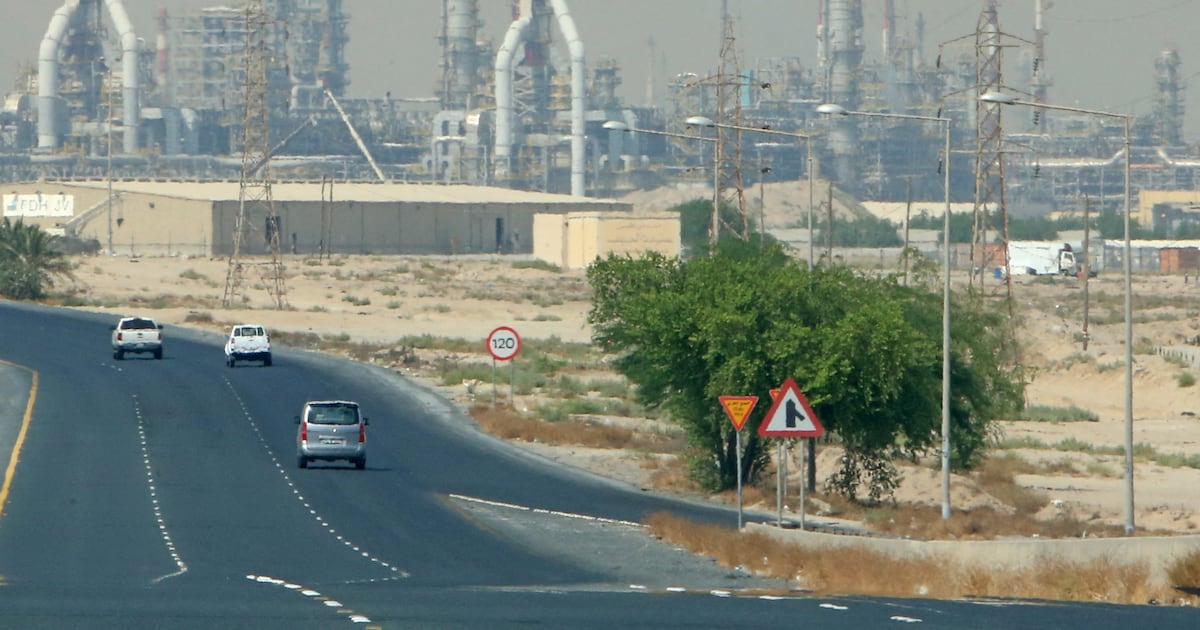
Prolonged U.S. conflicts with Iran, exacerbated by leadership shifts, heighten MENA’s infrastructure vulnerability. Gulf states, already investing heavily in diversification (e.g., NEOM, Masdar City), may redirect capital toward fortifying regional supply chains and energy security hubs, reducing reliance on U.S.-aligned security guarantees. Similarly, North Africa’s fragile states—libya, Sudan—face compounded risks as U.S. military retrenchment could create vacuums for proxy conflicts, disrupting transit corridors critical to Europe-bound oil flows. Regional infrastructure investments, including port expansions and cross-border rail networks, must now account for dual mandates: economic resilience and security-centric redundancy, as sovereign stakeholders prioritize sovereignty over external dependencies.
Ultimately, the U.S. military’s internal upheaval under Trump signals a recalibration of geopolitical risk vectors, compelling MENA policymakers to decouple sovereign capital strategies from American defense hegemony. Businesses tied to defense infrastructure, from Qatari LNG projects to Omani shipbuilding, will face heightened scrutiny over alignment with fluctuating U.S. strategic goals. As regional alliances fragment—evident in UAE-Oman normalization efforts spurred by U.S. domestic turmoil—the race for resource sovereignty and technological self-reliance gains urgency. MENA’s economic survival hinges on navigating this bifurcated landscape, where stability demands proactive investments in both physical infrastructure and institutional resilience against geopolitical caprice.