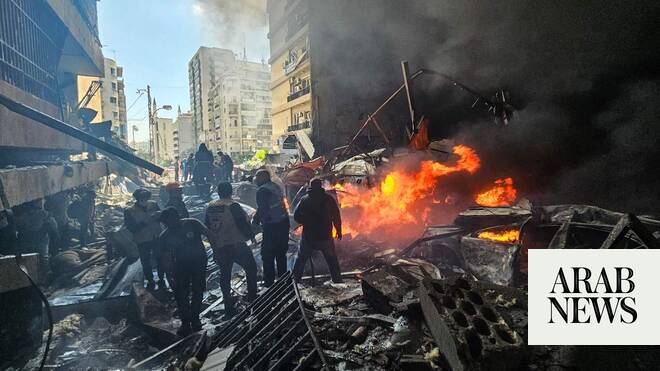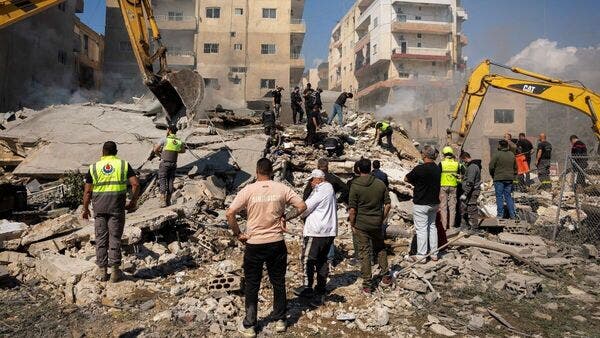

The escalation of hostilities between Israel and Hezbollah, framed against the backdrop of the U.S.-Iran ceasefire, reveals profound fractures in the Middle East’s fragile economic and geopolitical fabric. While the truce ostensibly mitigates direct military confrontation between Tehran and Washington, its exclusion of Lebanon underscores the region’s volatility and exposes sovereign capital as a critical vector for conflict. Governments across the MENA region are increasingly diverting limited fiscal resources toward defense expenditure rather than economic development, exacerbating debt burdens and stifling long-term infrastructure investments. For instance, Lebanon’s collapsing lira and depleted foreign reserves—already strained by parallel economic crises—risk triggering a sovereign debt domino effect, as cross-border capital outflows accelerate amid escalating regional confrontations.
The conflict’s ripple effects on venture capital and private-sector growth underscore the strategic fragility of the MENA investment landscape. Entrepreneurial ecosystems in countries like Israel and Lebanon now operate under a cloud of uncertainty, with startups pivoting from innovation to survival mode amid disrupted supply chains, security volatility, and talent attrition. Israel’s tech sector, traditionally a global leader, faces mounting pressure to allocate resources toward homeland security, diverting attention from R&D and expansion into contested markets like cybersecurity and defense tech. Meanwhile, the brazen warning from Iran’s Revolutionary Guard Corp (IRGC) over potential retaliation to Israeli strikes introduces a chilling deterrent for international investors, who may recalibrate risk assessments for MENA-focused ventures amid the specter of proxy warfare.
Infrastructure, a linchpin of regional economic integration, emerges as both a casualty and a battleground. Repeated strikes on Lebanon’s ports and logistics hubs—already struggling to recover from Hezbollah’s parallel military activities—threaten to cripple trade corridors vital to hydrocarbon exports and agricultural imports, destabilizing global energy markets. Simultaneously, Gulf states like Saudi Arabia and the UAE, reliant on cross-border infrastructure projects to expand their non-oil economies, face heightened scrutiny over their security commitments to Israel, which could strain alliances and deter foreign direct investment. The war’s legacy risks entrenching a bifurcated infrastructure landscape: heavily fortified enclaves coexists with degraded zones, undermining the vision of seamless regional connectivity that underpins initiatives like NEOM and the Saudi-UAE ferry routes.