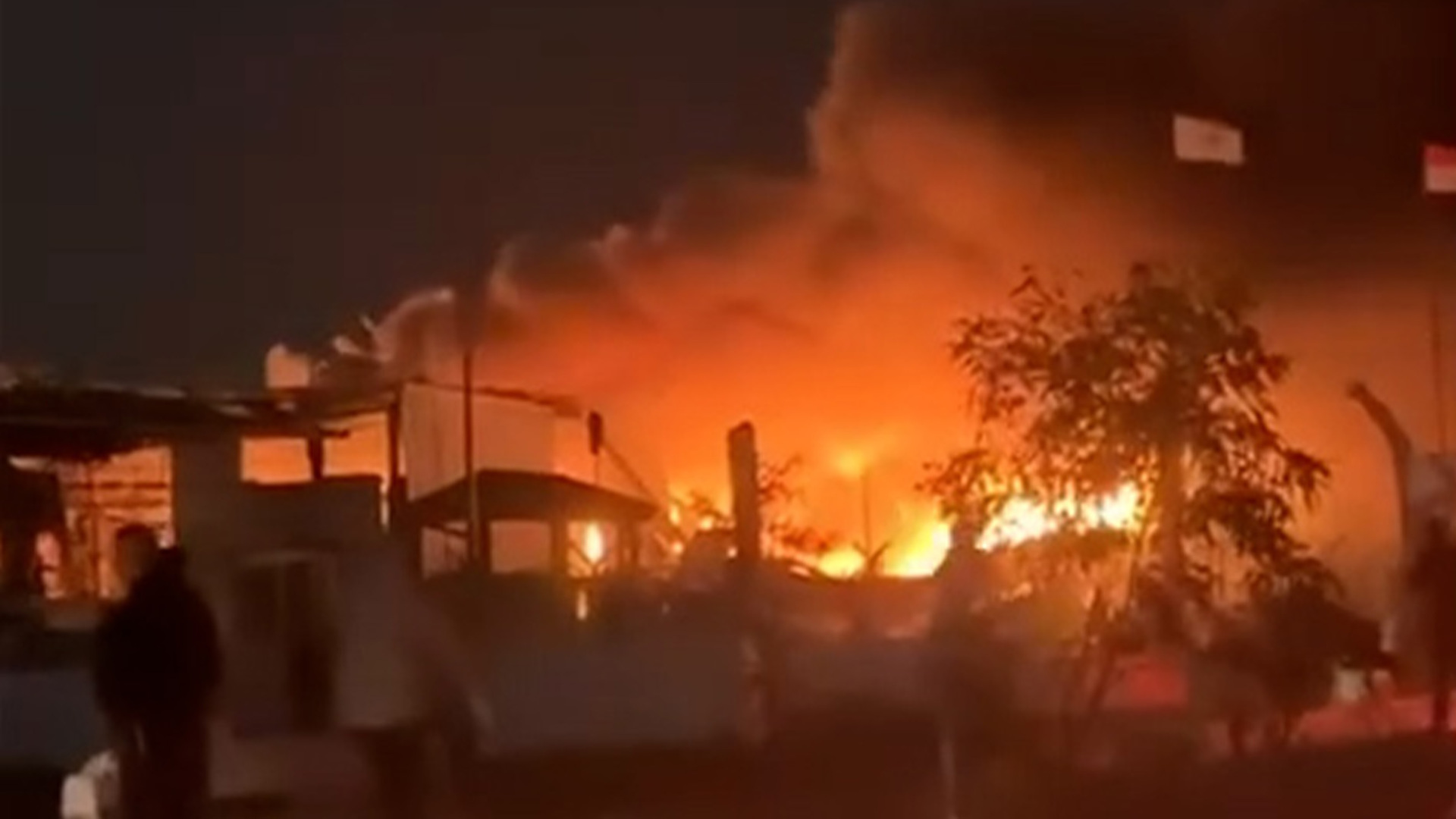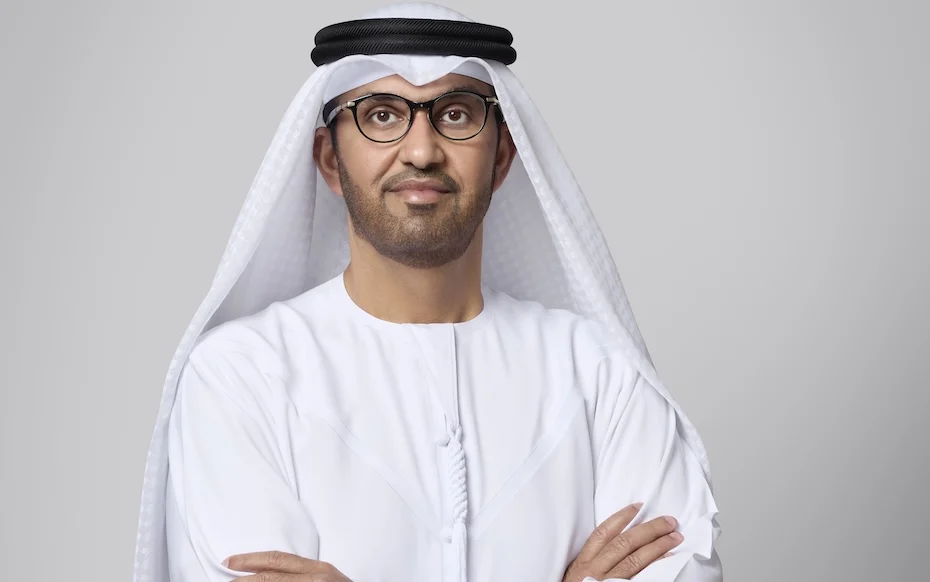

In his keynote at CERAWeek, Dr Sultan Al Jaber framed the weaponisation of the Strait of Hormuz as a form of economic terrorism that is already inflating global energy prices and jeopardising macro‑economic stability. By highlighting that a third of global fertiliser trade and a fifth of world oil flows transit this 21‑mile corridor, he underscored how a single geopolitical flashpoint can ripple through supply chains from factories to farms, raising living costs and throttling growth worldwide.
From a sovereign capital perspective, the episode intensifies the urgency for Gulf states to re‑balance portfolios toward diversification and resilience, embedding risk‑adjusted exposure to energy transition assets in sovereign wealth funds. The heightened security premium is prompting sovereign investors to re‑allocate toward downstream infrastructure, storage, and clean‑tech ventures that can blunt the impact of future choke‑point disruptions, while also seeking opportunistic stakes in alternative logistics networks that bypass traditional maritime chokepoints.
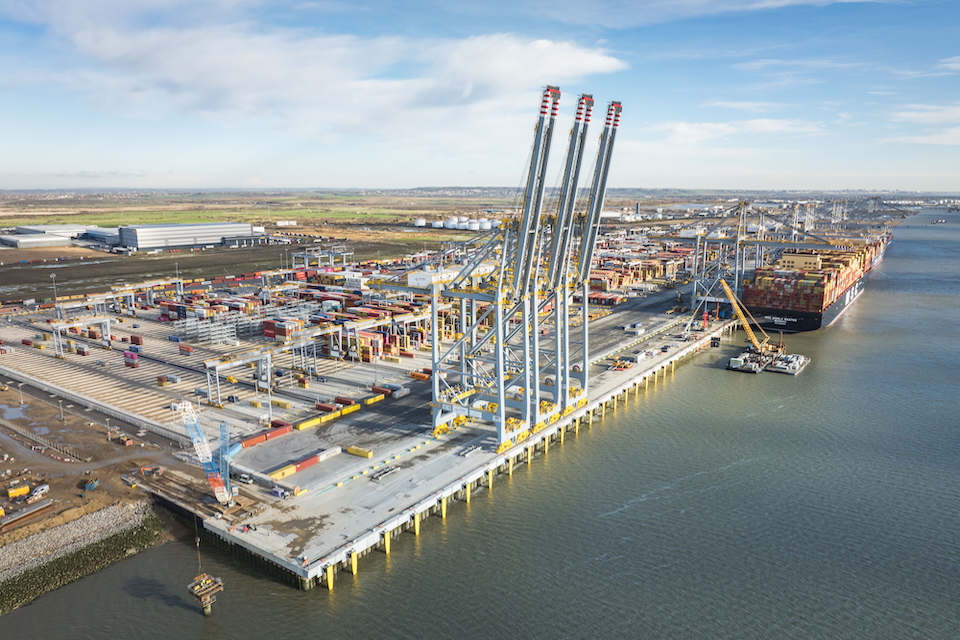
On the infrastructure front, the crisis has accelerated the region’s push for integrated digital‑customs platforms, AI‑driven predictive analytics, and hardened port‑and‑storage assets that can sustain uninterrupted commodity flows. Venture capital firms are increasingly eyeing start‑ups that deliver embedded sensor networks, autonomous shipping solutions, and modular LNG terminals, recognizing that such technologies are critical to building a robust, locally‑controlled energy ecosystem across the MENA corridor.
Looking ahead, the UAE’s strategic investments—exceeding $85 bn in U.S. energy assets and expanding into storage and LNG—signal a model of pragmatic realism that blends sovereign stewardship with market‑driven innovation. Global energy leaders are being urged to convene at ADIPEC to forge a resilient supply architecture, while sovereign and private capital alike are poised to finance the next generation of hardened infrastructure and diversification pathways that will safeguard the region’s economic future against recurring geopolitical shocks.