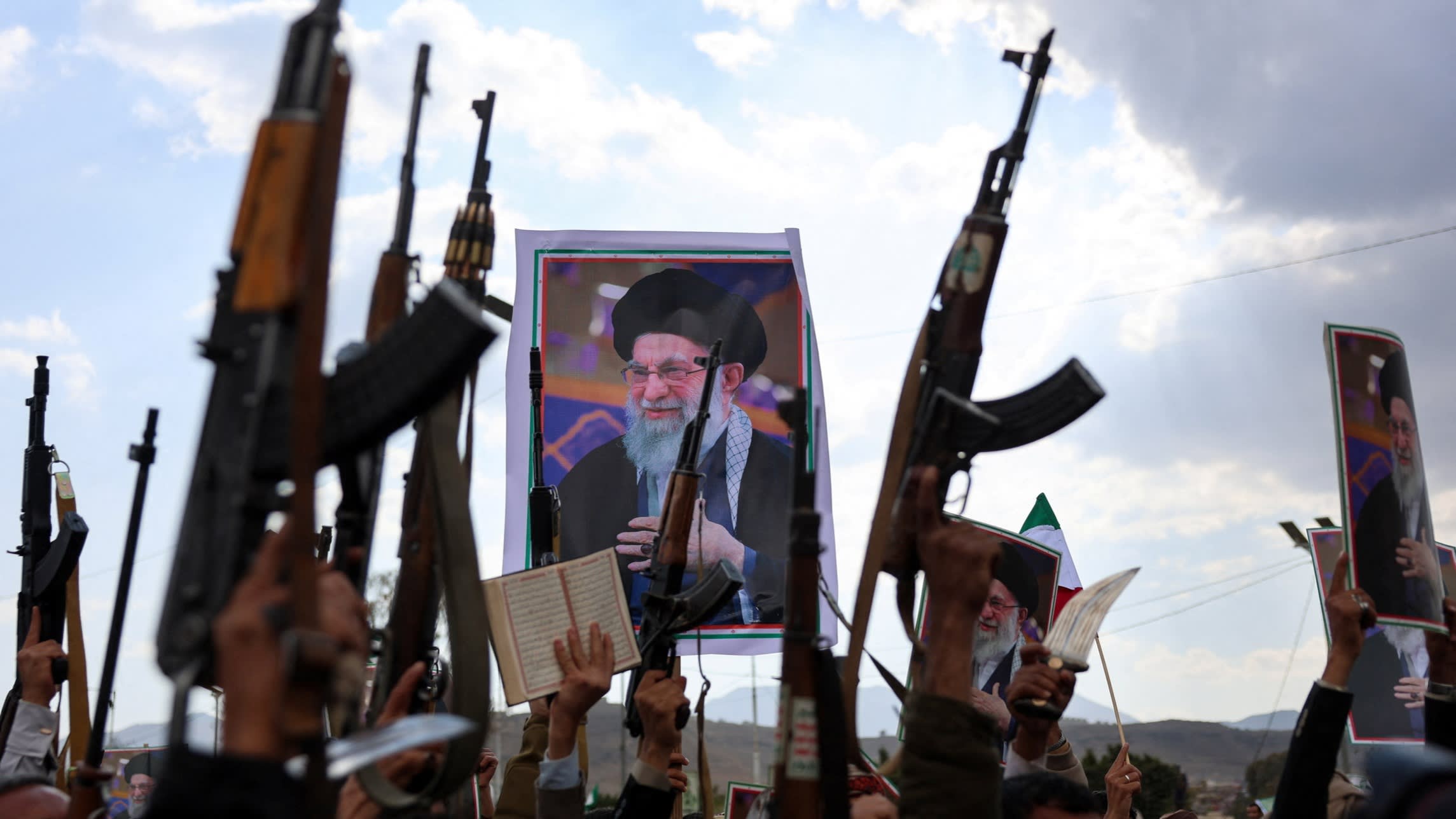

Recent geopolitical developments in the Red Sea, specifically the conspicuous absence of Houthi militants from Iran’s strategic positioning amidst heightened tensions with the United States and Israel, represent a significant, and potentially destabilizing, shift with profound implications for the broader Middle East and North Africa. While traditionally a key proxy partner, the Houthis’ relative restraint suggests a calculated recalibration of their operational strategy, driven likely by a reassessment of the potential costs and benefits of direct confrontation. This absence creates a vacuum, forcing regional actors to re-evaluate alliances and potentially accelerating a fragmentation of the existing power dynamics. The immediate business impact centers on increased maritime insurance premiums and rerouting of trade through the Suez Canal, impacting global supply chains and adding considerable logistical complexity – a burden disproportionately felt by nations reliant on efficient transit through the region.
The ramifications extend significantly into the realm of sovereign capital and investment. Traditionally, the Houthis’ activities have served as a justification for increased security spending across the Gulf states, diverting resources from vital infrastructure and economic diversification projects. With their diminished role, governments now face a critical juncture: either maintain elevated defense budgets, potentially hindering long-term growth, or strategically reallocate funds towards initiatives fostering sustainable development. Furthermore, the uncertainty surrounding the future of the conflict is dampening investor confidence, particularly in sectors reliant on regional stability, such as tourism and energy. Sovereign wealth funds, historically cautious, are likely to adopt a more conservative approach to regional investments, prioritizing risk mitigation over aggressive expansion.
Venture capital activity within the MENA region is also poised for a notable adjustment. Previously, a portion of VC funding flowed towards companies providing cybersecurity solutions and conflict-mitigation technologies, catering to the perceived instability. The reduced threat level, while not signifying a permanent resolution, allows for a potential shift in investment priorities towards sectors like fintech, renewable energy, and digital infrastructure – areas traditionally underserved due to the prevailing security concerns. However, this transition will require careful navigation, as underlying geopolitical risks remain, and a sustained period of stability is necessary to unlock the full potential of these sectors.
Finally, the shift underscores the urgent need for enhanced regional infrastructure development and diversification. The reliance on single transit routes and vulnerable maritime lanes has been repeatedly exposed. Increased investment in alternative trade corridors, including land-based routes and port modernization, is now paramount. Moreover, bolstering digital infrastructure – expanding broadband access and promoting digital literacy – is crucial for fostering economic resilience and reducing dependence on traditional, conflict-prone sectors. The absence of the Houthis doesn’t herald peace; it demands a proactive, strategic response from regional leaders focused on building a more robust and diversified economic future.