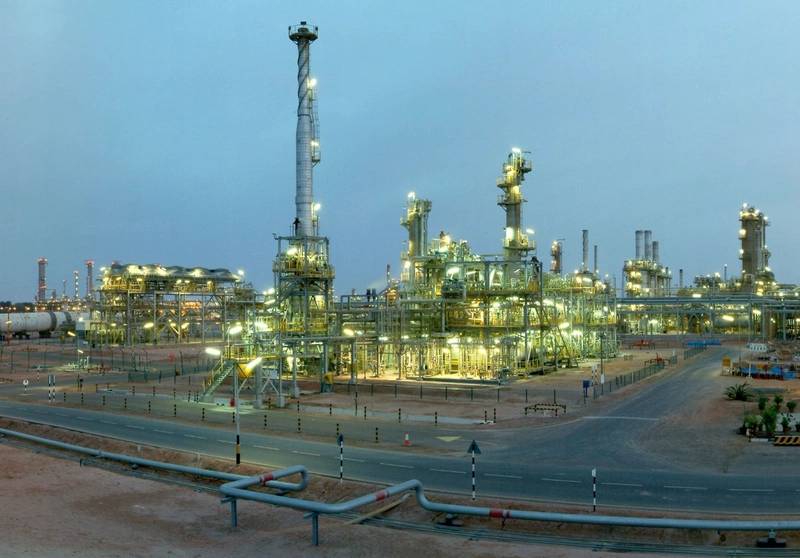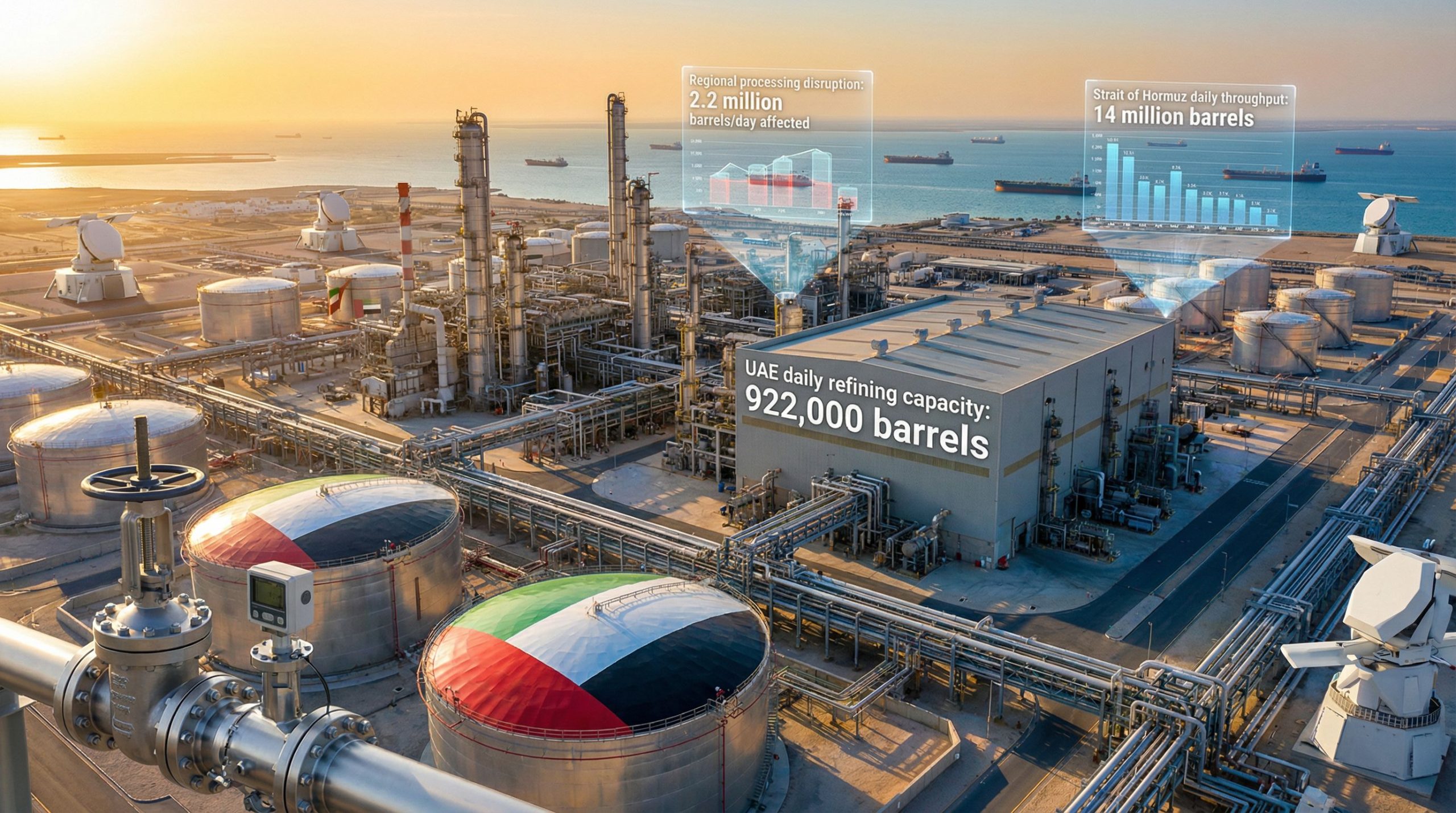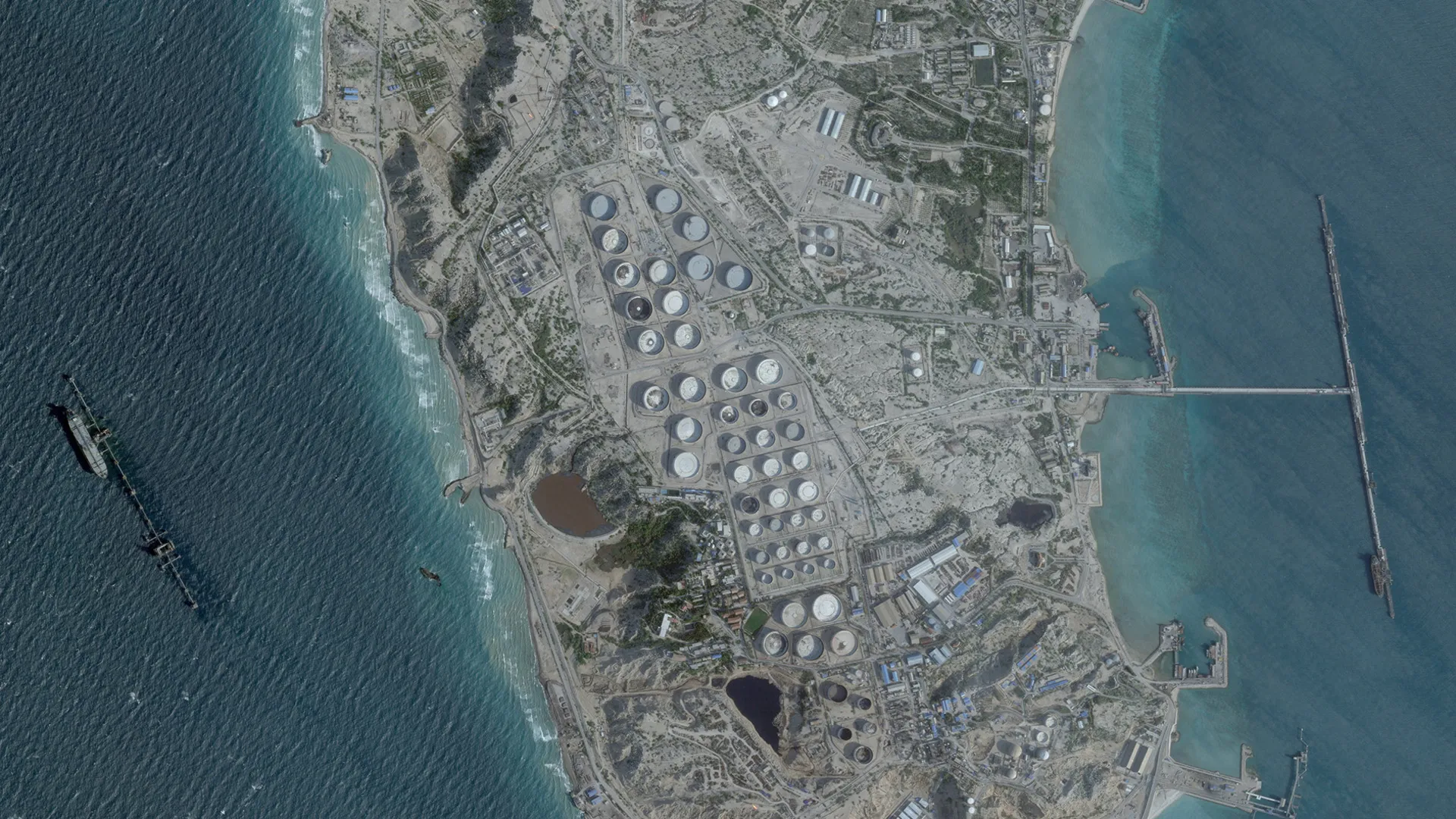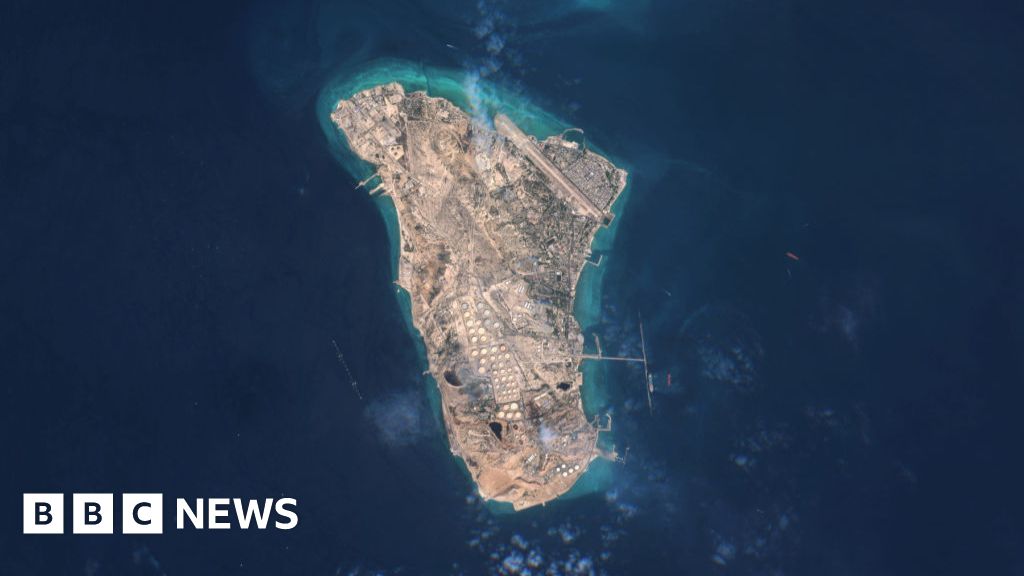

Iran’s control over strategic assets like the island of Qeshm in the Strait of Hormuz underscores its pivotal role in regional energy security and global supply chains. As one of the world’s largest producers of oil and gas, Iran’s energy infrastructure—particularly facilities on strategically located islands—impacts not only its own economic stability but also the geopolitical dynamics of the Middle East and North Africa. The island’s position as a chokepoint for maritime trade and LNG exports amplifies its significance, making it a focal point for sovereign investment and foreign capital. Domestic investment, bolstered by state-backed entities like the National Iranian Oil Company (NIOC), remains critical for maintaining and expanding these assets, while external capital flows are constrained by geopolitical tensions and sanction regimes.
The interplay between sovereign capital and private-sector innovation is evident in Iran’s approach to modernizing its energy sector. While the government retains control over large-scale infrastructure, regional developments in renewable energy and digitalization of energy distribution systems (e.g., smart grids, blockchain-based trading platforms) are attracting venture capital inflows from Gulf-based investors seeking to diversify portfolios amid regional volatility. These technologies could redefine how Iran manages its energy exports and domestic consumption, though bureaucratic inertia and limited access to global financial markets hinder large-scale private participation. Meanwhile, cross-border infrastructure projects, such as regional gas pipelines to Iraq and Syria, highlight the strategic importance of integrating Iran’s energy assets into broader MENA networks.
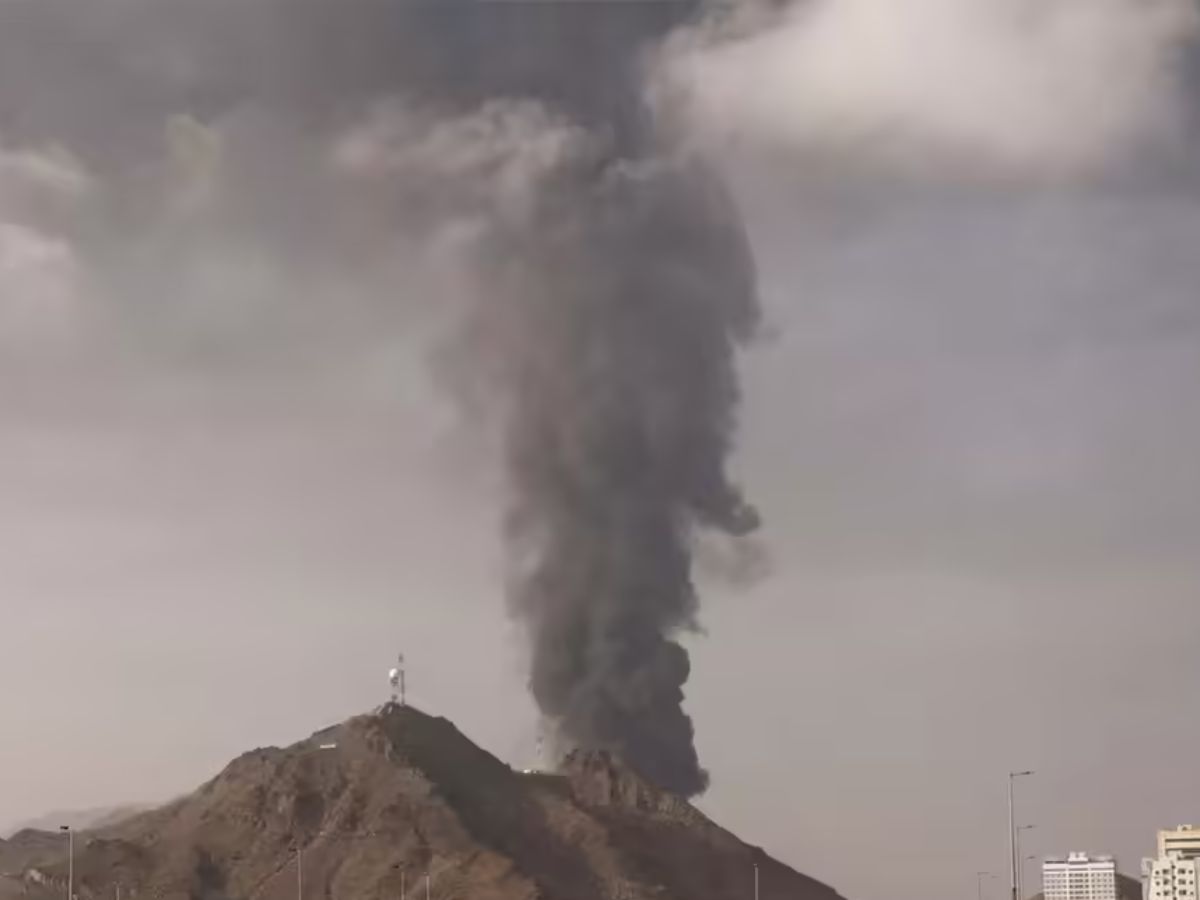
For the Middle East and North Africa, the implications of Iran’s energy infrastructure decisions ripple through sovereign credit ratings, regional stability, and long-term investment climates. Escalating tensions over the island could disrupt shipping routes, trigger energy price volatility, and deter foreign investment in regional logistics hubs. Conversely, de-escalation and increased regional cooperation—particularly around shared infrastructure projects—could unlock opportunities for sovereign wealth funds to mobilize capital toward sustainable development, such as desalination plants, cross-border renewable grids, and industrial zones. The convergence of these factors positions Iran’s energy island not merely as a geopolitical asset but as a bellwether for the region’s economic transformation.