
The MENA region is poised at the confluence of transformative capital flows, groundbreaking venture capital activity, and the urgent need to overhaul regional infrastructure frameworks. As a senior analyst with over two decades focused on the financial and technology sectors across the Middle East and North Africa, I observe that the recent revelations concerning alleged sexual abuse by Cesar Chavez pose profound implications not only for honor and accountability movements but also for the sovereign investment calculus guiding capital allocation. These developments underscore a critical juncture for regional stakeholders who must assess how such high-profile cases reshape the investment landscape and influence the perception of institutional integrity in business operations.
The surge in sovereign capital has been directed to reassess governance structures in publicly funded enterprises, particularly in labor-sector subsidiaries where transparency and compliance with human rights standards are increasingly vital. Investors are now acutely aware that maintaining trust with both domestic consumers and global partners is imperative in an environment where political and legal controversies can disrupt market confidence. The shifting narrative around abuses within major labor movements amplifies the need for robust due diligence protocols—an imperative reflected in the renewed focus on franchise performance, ESG benchmarks, and financial security. Moreover, venture capital landscape dynamics in the region are evolving rapidly as startups lead the charge in technology solutions that address labor justice, digital rights, and sustainable development.
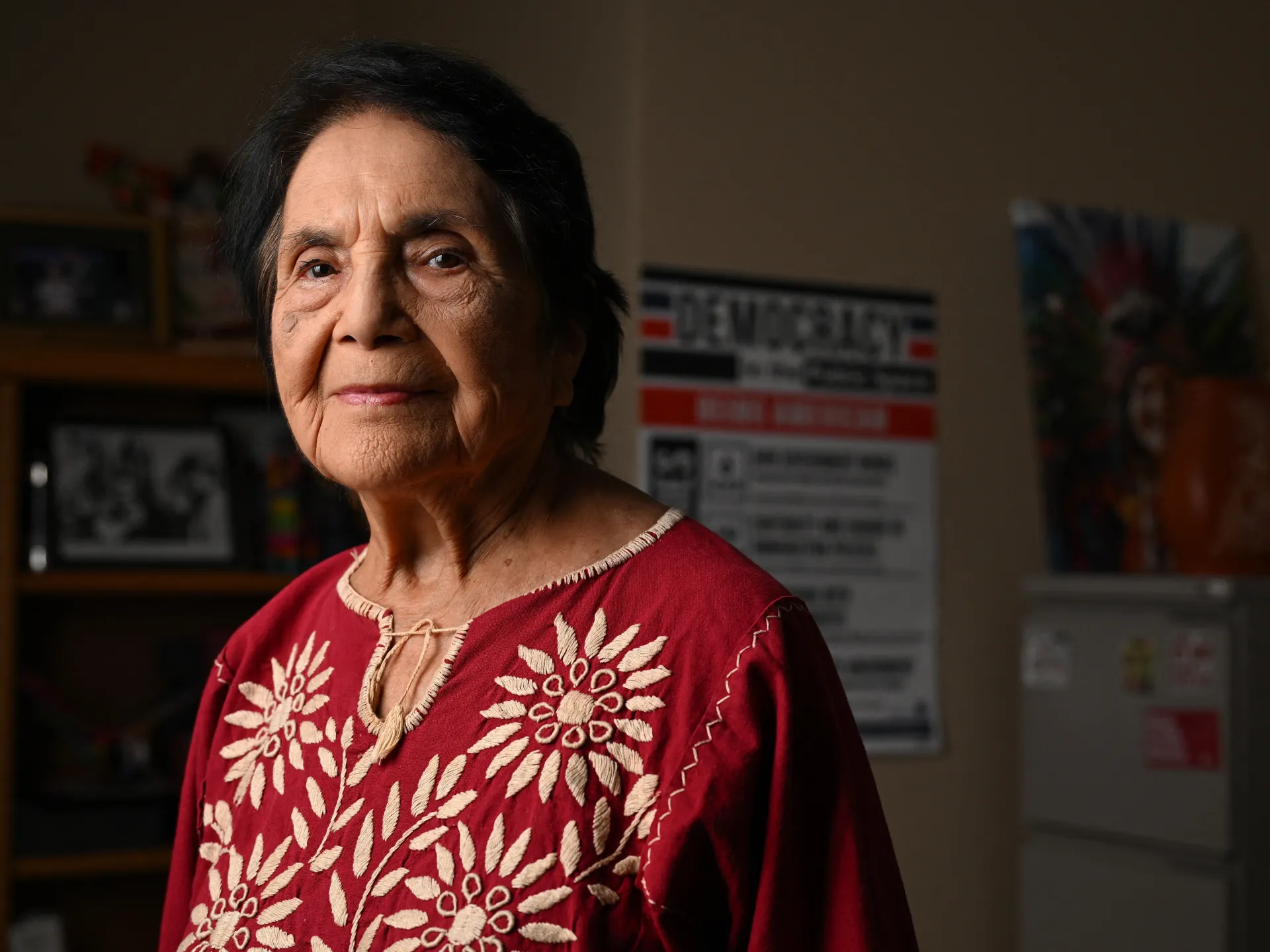
The changing relationship between capital and social cohesion in the Middle East and North Africa is further crystallized through these cases, as stakeholders leverage these external pressures to accelerate reforms. Regional infrastructure projects, often dependent on foreign loans or partnerships, must now incorporate stronger safeguards and oversight mechanisms to preempt similar controversies. This recalibration not only signals a reassessment of risk parameters but also affirms the enduring importance of ethical leadership in the pursuit of economic progress and geopolitical stability. The case of Dolores Huerta, while rooted in transnational civil rights, resonates within the broader context of MENA, where investors and policymakers alike recognize the inextricable link between social values and long-term value creation.
In sum, the ongoing discourse around Chavez’s alleged misconduct signals a pivotal moment for financial institutions, sovereign investors, and regional policymakers. It challenges the status quo, urging a collective commitment to integrity, accountability, and a redefined operational blueprint for the benefit of both capital and society.