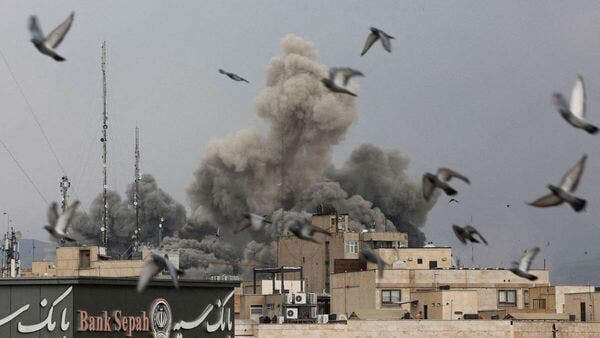

The pervasive disruptions caused by regional conflict have underscored the fragility of event-driven economic activity in the UAE, with cascading implications for sovereign capital flows and venture capital (VC) ecosystems. Major cultural and business events, including the Offlimits Music Festival and Art Dubai, represent not only tourism-driven revenue but also critical platforms for showcasing investor confidence in the region’s stability. Delays in high-profile shows and fairs risk eroding the perceived reliability of the UAE as a hub for international capital, potentially discouraging sovereign wealth funds from committing to long-term infrastructure or industrial projects. While the rescheduling of events like the Arabian Travel Market (ATM) to August 2026 demonstrates adaptive capacity, it also highlights vulnerabilities in airspace management and logistical frameworks that could deter foreign investors seeking predictable returns. The financial impact extends to local vendors and service providers reliant on event cycles, creating ripples in supply chains that may strain sovereign budgets allocated to tourism and cultural diplomacy initiatives.
The VC landscape in the MENA region is similarly positioned at a crossroads, with event postponements disrupting key networking and deal-making opportunities. Tech summits such as the Megacampus Summit in Dubai, which attract global founders and investors, serve as vital conduits for capital deployment in digital infrastructure and fintech innovation. Postponements could delay funding rounds or strain liquidity for early-stage startups dependent on face-to-face pitches. Conversely, the shift to later-year dates may align better with investor calendars, particularly for sovereign-backed funds prioritizing strategic bets in renewable energy or AI. However, this adjustment risks fragmenting attention away from year-end funding cycles, which are typically prime for concentrated investment activity. Furthermore, the logistical challenges cited—flight delays, shipping bottlenecks—reveal systemic infrastructure gaps that could deter VC appetite unless addressed through regional cooperation or sovereign-led tech investments to secure alternative transport corridors.
Regionally, the infrastructure implications of these disruptions demand immediate attention, as event reliability directly correlates with the MENA’s ability to attract sovereign and private capital. Airspace restrictions, in particular, expose acute weaknesses in aviation and port logistics, sectors critical for both trade and tourism—a significant portion of which is event-dependent. The UAE’s proactive rescheduling, while pragmatic, may be overshadowed by longer-term reputational risks if conflicts persist, potentially impacting sovereign capital flows into infrastructure projects like smart cities or renewable energy grids. This could accelerate regional investments in redundant transport networks or hybrid event technologies (e.g., virtual-logistical hybrids) to mitigate geopolitical vulnerabilities. For VC players, the situation underscores the need to diversify funding sources beyond event-driven ecosystems, pivoting toward sovereign-grade risk mitigation strategies or cross-border partnerships to insulate deals from geopolitical shocks. The Middle East’s capacity to balance these competing demands will define its resilience in an increasingly unstable global environment.