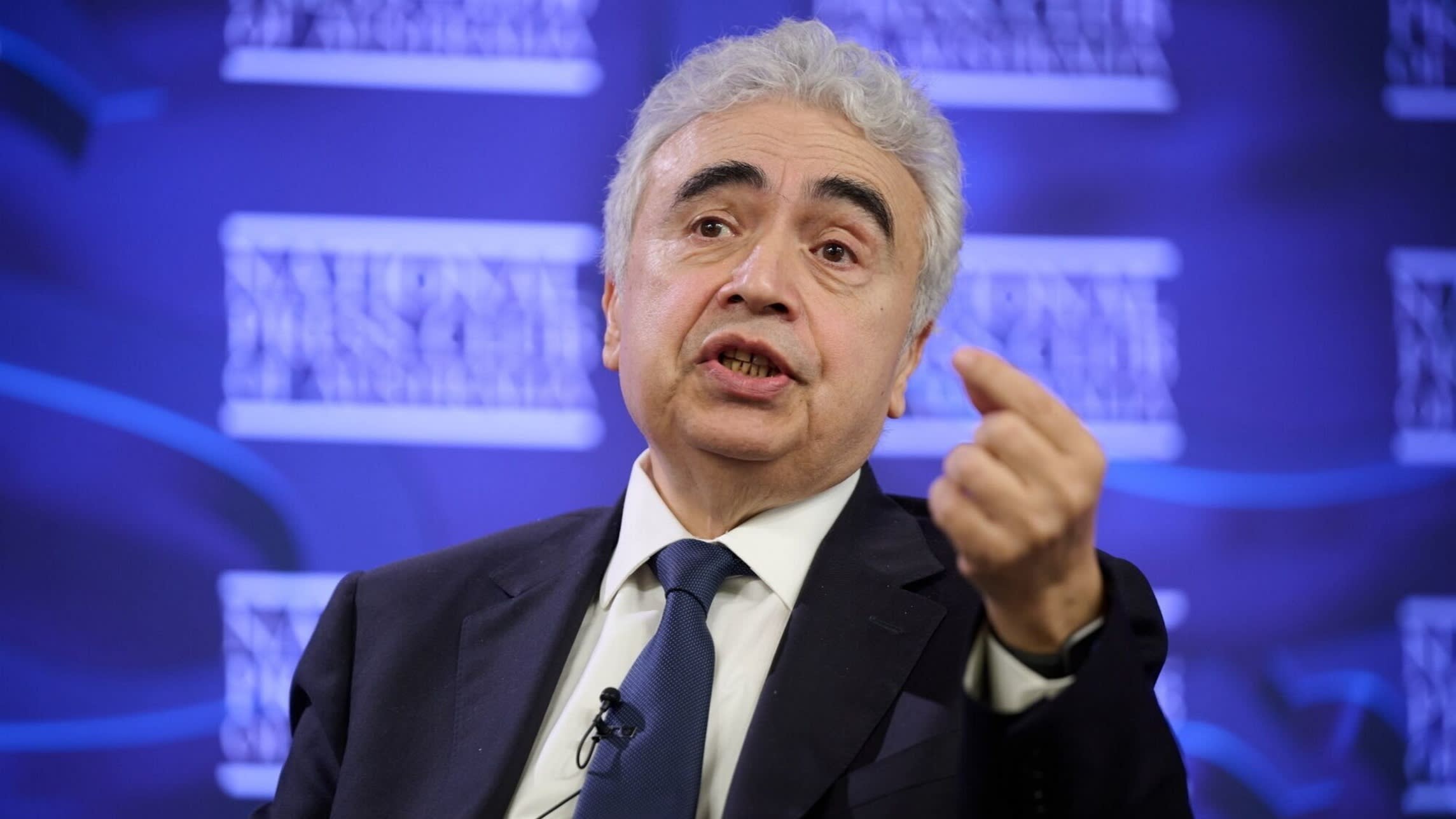

In a recent address to the International Energy Agency, chief economist Fatih Birol cautioned that the escalating supply shock in global energy markets should not be exacerbated by export restrictions. His remarks, which alluded to China’s tightening of crude and natural‑gas exports, carry significant implications for the MENA region’s sovereign capital strategies and private‑sector investment flows. By signalling that export bans could trigger retaliatory measures and further price volatility, Birol is effectively urging Gulf and North African governments to maintain open trade corridors, thereby preserving the stability of their sovereign wealth funds and the attractiveness of their markets to foreign investors.
For MENA sovereign wealth funds, the message underscores the need to diversify exposure beyond the traditional oil and gas basket. A sustained export curtailment could compress margins on downstream projects and erode the projected returns that underpin long‑term fiscal planning. Consequently, fund managers are likely to accelerate capital allocation toward renewable energy, petrochemical diversification, and digital infrastructure, sectors that promise higher resilience to commodity shocks and align with the region’s Vision 2030 and Vision 2050 agendas.
Venture capital activity in the region is also poised to feel the ripple effects. Start‑ups that rely on imported raw materials or export‑oriented revenue streams—such as clean‑tech firms, logistics platforms, and energy‑efficiency solutions—will face heightened cost pressures and supply chain uncertainties. VC funds, therefore, may shift focus toward companies with robust local supply chains or those that can tap into the growing domestic demand for energy‑efficient technologies, thereby mitigating exposure to external shocks.
On the infrastructure front, the call to avoid export bans reinforces the imperative for MENA countries to invest in resilient, multi‑modal transport and storage networks. Enhanced pipeline capacity, expanded LNG terminals, and upgraded port facilities will not only cushion the impact of supply disruptions but also position the region as a strategic energy hub. Such infrastructure upgrades, financed through a mix of sovereign capital and public‑private partnerships, will be critical to sustaining the region’s economic momentum amid a volatile global energy landscape.