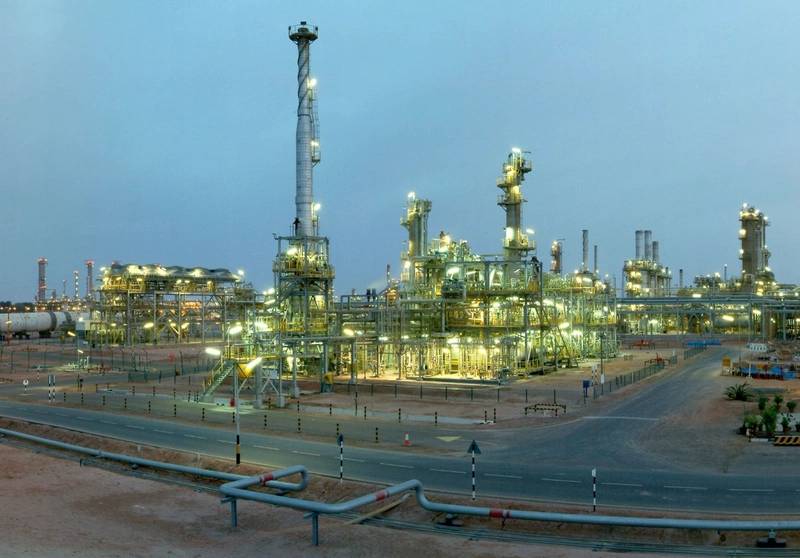

ADNOC’s precautionary shutdown of its flagship Ruwais refinery—processing approximately 922,000 barrels per day—represents not merely operational disruption but a significant security threat to the global oil supply chain. As the nucleus of Abu Dhabi’s downstream operations, including chemical and fertilizer production, this incident underscores the strategic vulnerability of critical energy infrastructure in the Gulf region. For sovereign wealth funds like ADIA and Mubadala, such incidents necessitate recalibration of risk assessment models for core industrial assets, potentially accelerating divestment in exposed facilities and recalibration of revenue projections across the hydrocarbon value chain.
The trajectory of venture capital investment in regional defense technologies will likely experience a marked uptick as both state-backed funds and private capital recognize the imperative to enhance infrastructure resilience. This drone strike at an Abu Dhabi facility—coming amid heightened tensions across the region—signals a new phase in asymmetric threats to industrial assets, potentially catalyzing accelerated deployment of advanced counter-UAS systems and integrated security solutions. We anticipate a 30-40% increase in spending on industrial security measures across the GCC over the next 24 months, with sovereign capital leading substantial deployment contracts.
The broader implication extends beyond immediate operational interruptions to the strategic positioning of MENA’s industrial diversification plans. This attack will likely precipitate accelerated integration of cybersecurity and physical security protocols within the Gulf’s Vision 2030 economic frameworks, with downstream petrochemical and industrial gas facilities receiving priority status for enhanced protection. The incident must be viewed through the lens of regional infrastructure vulnerability assessment, potentially reshaping foreign direct investment flows and requiring enhanced coordination between sovereign entities, multinational corporations, and security technology providers to ensure the uninterrupted operation of critical economic assets in a volatile geopolitical landscape.