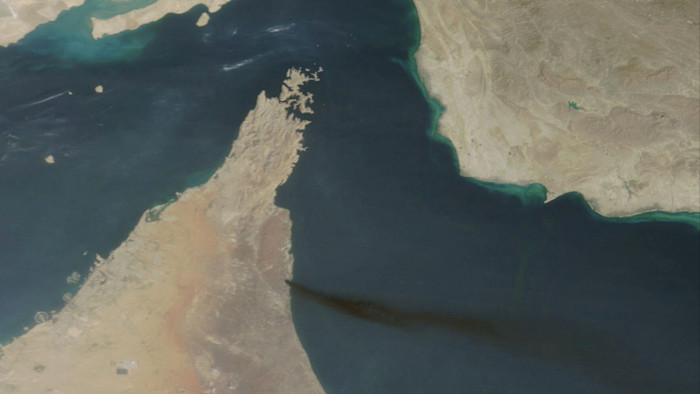

The International Maritime Organization’ssecretary‑general, Arsenio Dominguez, has warned that naval escorts cannot indefinitely safeguard commercial traffic through the Strait of Hormuz, a chokepoint that carries roughly 20 % of global oil shipments. While the United States has signaled willingness to provide protective patrols, Tehran’s recent declaration of the strait as “closed” and its seizure of multiple vessels have already driven Brent crude above $100 a barrel, eroding confidence in supply continuity and raising the specter of broader macro‑economic volatility.
For sovereign wealth funds—particularly those of Gulf Cooperation Council states—this disruption threatens to strain fiscal buffers accumulated during periods of price surplus. Reduced hydrocarbon inflows compel a reassessment of infrastructure pipelines and diversification drives, such as Saudi Vision 2030 and the UAE’s Blue Economy agenda, as they confront short‑term revenue shortfalls while still needing to fund high‑cost mega‑projects. The heightened geopolitical risk profile also forces these funds to allocate more capital to defensive asset classes or to high‑conviction bets in resilient sectors, reshaping allocation models across the region.
Venture‑capital ecosystems that have been emerging in hubs like Saudi Arabia’s NEOM and the UAE’s fintech corridors are likewise feeling the ripple effects. Investors are increasingly scrutinising exposure to logistics and energy‑intensive ventures, tightening deal flow in favour of digital platforms that can mitigate physical‑asset risk, such as AI‑driven supply‑chain optimisation and offshore fintech solutions. Meanwhile, regional banks and development agencies are reallocating financing toward resilience‑focused infrastructure, including modular port upgrades and undersea cable diversification, to mitigate future choke‑point vulnerabilities and preserve the long‑term attractiveness of the Middle East and North Africa as a global trade conduit.