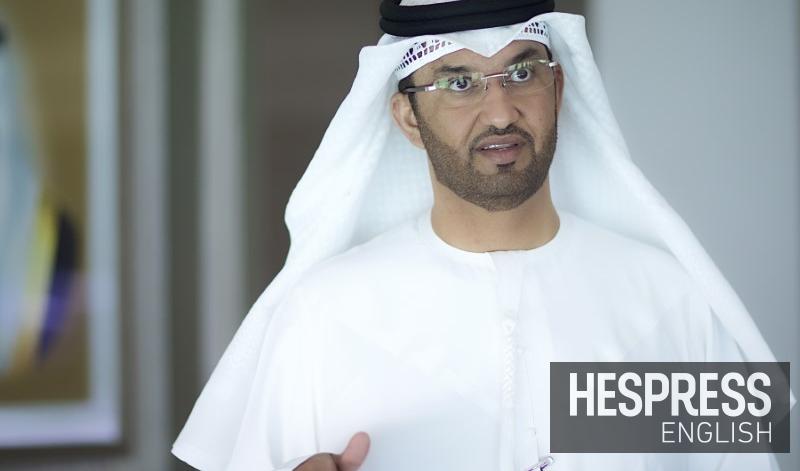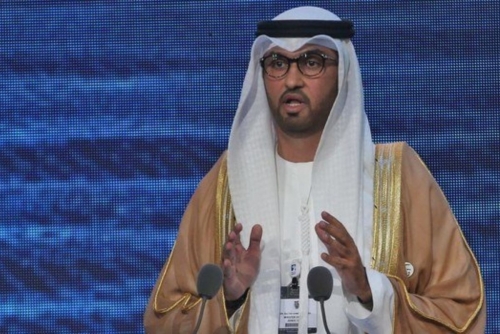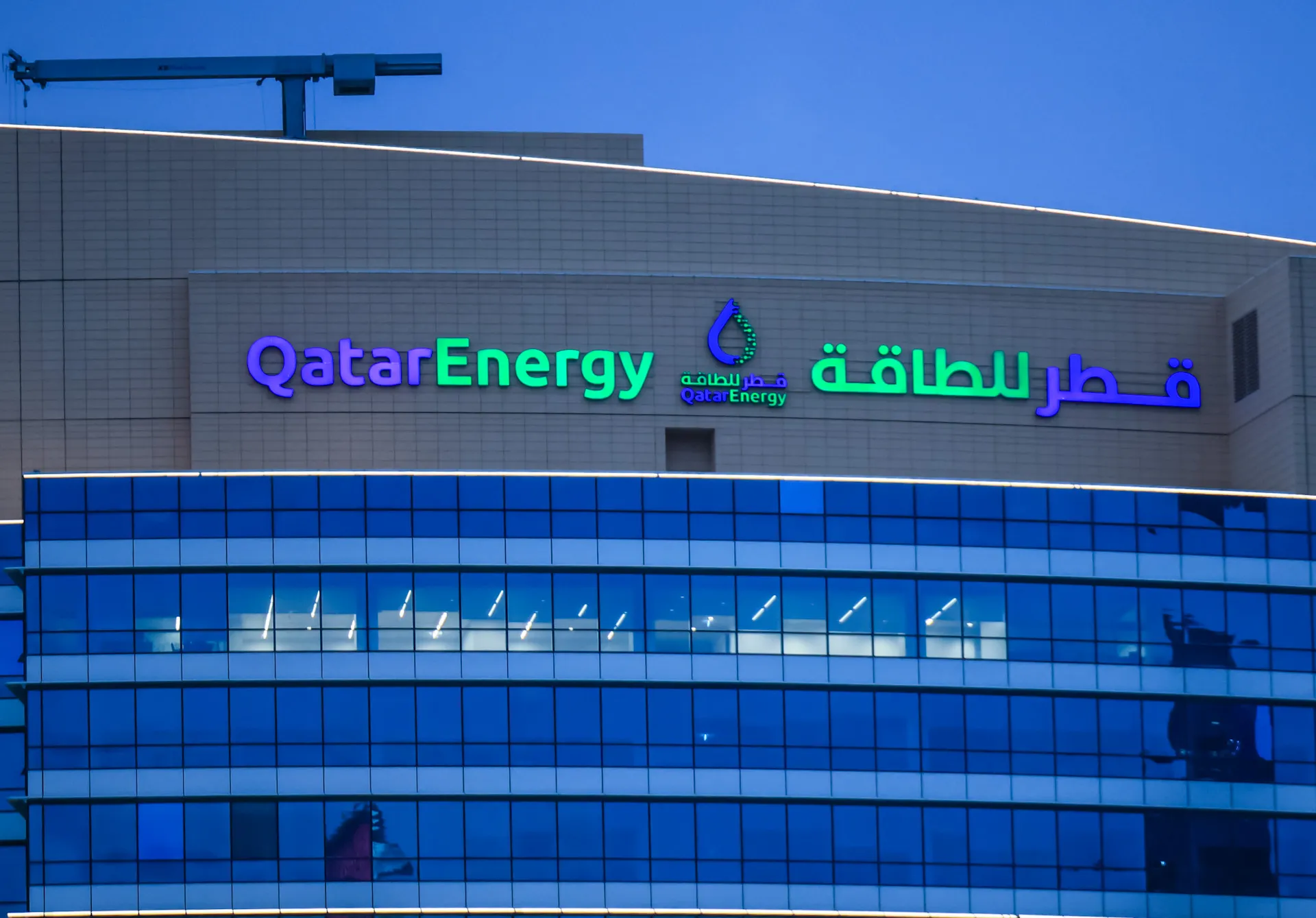

QatarEnergy’s CEO Saad al‑Kaabi confirmed that Iranian missile strikes have incapacitated two of the country’s fourteen LNG trains and one gas‑to‑liquids unit, forcing a forced‑majeure declaration on up to five years of long‑term supply contracts for Europe, Asia and the Middle East. The damage jeopardises roughly 12.8 million tonnes of annual LNG output, translating into an estimated $20 billion in lost revenue and a $26 billion write‑down of capital‑intensive infrastructure.
From a sovereign‑wealth perspective, the episode threatens to erode the fiscal buffers underpinning Qatar’s budget surplus and could prompt a reassessment of its sovereign‑fund allocations toward the Gulf Cooperation Council (GCC) region. Institutional investors are likely to recalibrate exposure to Qatari energy assets, factoring heightened geopolitical risk into risk‑adjusted returns and potentially curtailing further equity injections into state‑linked projects.
Venture capital and private‑equity firms operating in the MENA ecosystem may experience a broader risk premium shift, as the conflict underscores vulnerabilities in critical energy infrastructure. This could accelerate capital reallocation toward diversified energy‑transition ventures—such as renewable power, battery storage and hydrogen technologies—while diminishing appetite for new downstream gas projects pending resolution of the hostilities.
Regionally, the attacks expose the strategic fragility of Gulf gas export corridors, prompting a reassessment of pipeline and LNG terminal resilience across the Middle East and North Africa. Sovereign planners are expected to prioritise hardened, redundant infrastructure and to negotiate new supply‑chain contracts that embed force‑majeure contingencies, reshaping the long‑term investment blueprint for energy‑intensive industries in the area.