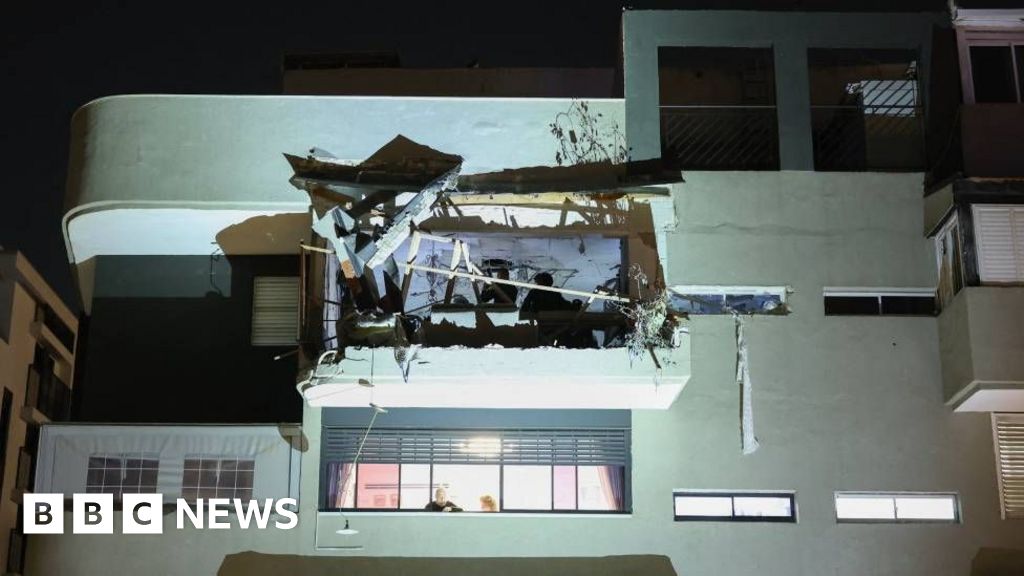

The recent detonation that claimed thelives of an elderly couple in central Israel has reverberated through regional financial markets, triggering a reassessment of risk premiums across sovereign and private investment portfolios. Institutional analysts now project a modest contraction in foreign direct inflows to Israel’s technology hubs, with estimates suggesting a 4‑6 % decline in venture capital allocations over the next twelve months as investors recalibrate geopolitical exposure.
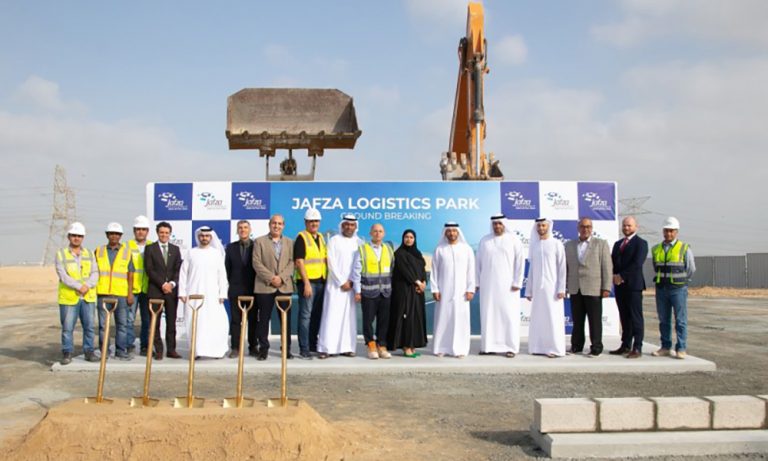
Sovereign wealth funds in the Gulf Cooperation Council and North Africa have begun to adjust allocation strategies, diverting modest capital slices toward more insulated asset classes and increasing exposure to defensive infrastructure projects within the region. This realignment reflects a broader trend whereby political stability metrics are being weighted more heavily against traditional growth indicators in portfolio construction.
Venture capital ecosystems that traditionally hinged on Israel’s high‑tech cluster are now scrutinizing cross‑border partnership models, seeking to mitigate exposure through diversified fund structures and strategic joint ventures with regional partners. The shift is prompting a recalibration of due‑diligence frameworks, emphasizing resilience metrics tied to supply‑chain continuity and governmental response mechanisms.
Infrastructure financing in the MENA corridor stands to benefit from heightened sovereign backing, as governments prioritize resilient logistics networks and energy security to counterbalance the volatility introduced by security incidents. Multilateral development banks are expected to channel additional capital toward upgrades in transport corridors and digital infrastructure, positioning the region for longer‑term economic robustness despite short‑term market turbulence.