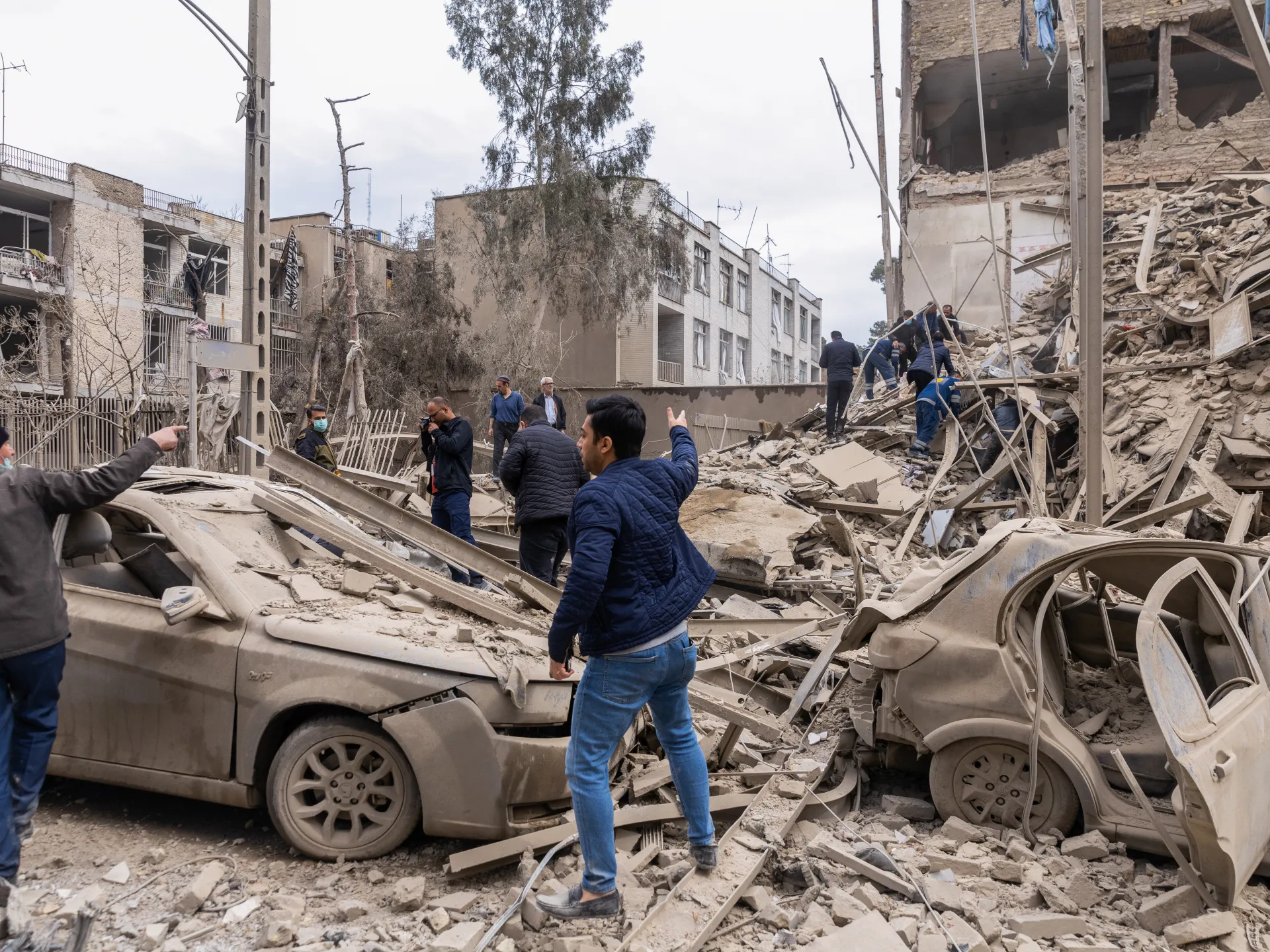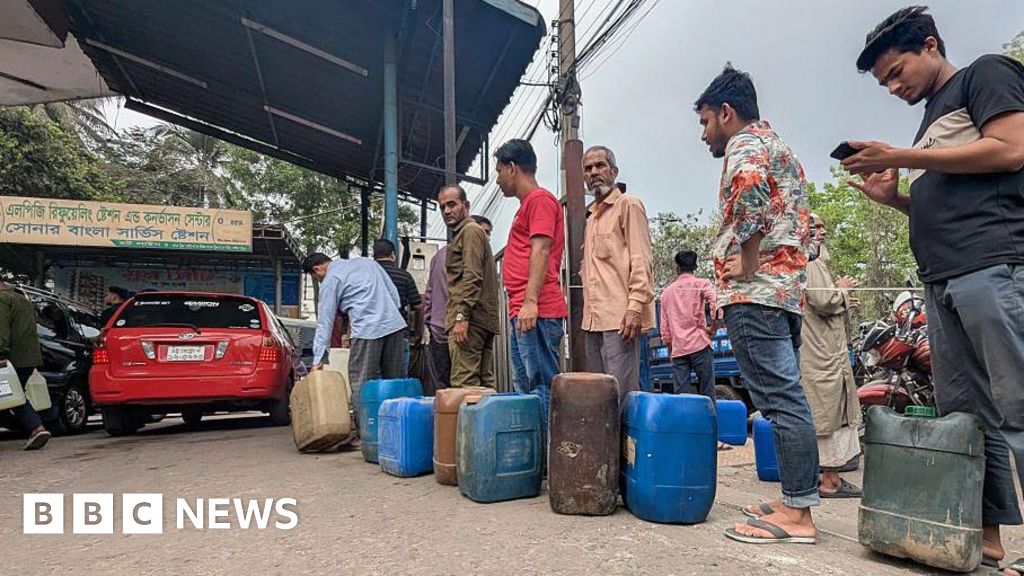

The ongoing geopolitical instability, particularly the recent escalation of conflict, is generating a complex and multifaceted economic shockwave across the Middle East and North Africa (MENA) region, extending far beyond the immediate humanitarian concerns. While the initial impact is evident in volatile energy markets – a direct consequence of disrupted supply chains and heightened risk premiums – the longer-term business implications for MENA are substantial and require careful assessment. Sovereign wealth funds (SWFs), traditionally anchors of regional stability and investment, are facing a delicate balancing act: mitigating domestic economic vulnerabilities while navigating increasingly uncertain global investment landscapes. We anticipate a recalibration of investment strategies, with a potential shift towards defensive assets and a greater emphasis on domestic infrastructure projects to bolster resilience against external shocks.
The ripple effects are already being felt within the venture capital (VC) ecosystem. While MENA’s VC scene has demonstrated impressive growth in recent years, particularly in sectors like fintech and e-commerce, the current environment introduces significant headwinds. Investor sentiment is demonstrably more cautious, leading to protracted due diligence processes and a potential slowdown in deal flow. Sectors heavily reliant on imported goods or exposed to global supply chain disruptions are particularly vulnerable. However, this period may also present opportunities for strategic sovereign-backed VC funds to deploy capital into resilient domestic businesses, fostering innovation and reducing reliance on external factors. The focus will likely shift towards companies demonstrating strong fundamentals, operational efficiency, and a clear path to profitability, rather than solely prioritizing high-growth, speculative ventures.
Crucially, the crisis underscores the imperative for accelerated investment in regional infrastructure. Beyond the immediate need for humanitarian aid, the conflict highlights vulnerabilities in transportation networks, digital connectivity, and energy security. Sovereign entities are likely to prioritize projects that enhance regional trade corridors, diversify energy sources (including renewables), and strengthen cybersecurity infrastructure. This includes a renewed focus on cross-border infrastructure initiatives, potentially leveraging existing partnerships and exploring new collaborations to mitigate geopolitical risks. The development of robust and resilient digital infrastructure will be paramount, enabling greater economic diversification and reducing dependence on volatile global markets. Expect increased scrutiny of public-private partnerships (PPPs) as governments seek to leverage private sector expertise and capital to expedite infrastructure development.
Looking ahead, the MENA region’s response to this crisis will be a defining factor in its long-term economic trajectory. The ability of sovereign entities to proactively manage risk, strategically deploy capital, and foster a resilient business environment will be critical. While the short-term outlook remains challenging, the crisis also presents an opportunity to accelerate structural reforms, diversify economies, and strengthen regional integration. The success of these efforts will hinge on a coordinated approach involving governments, SWFs, VC firms, and the private sector, all working in concert to navigate the evolving geopolitical landscape and build a more sustainable and prosperous future for the MENA region.