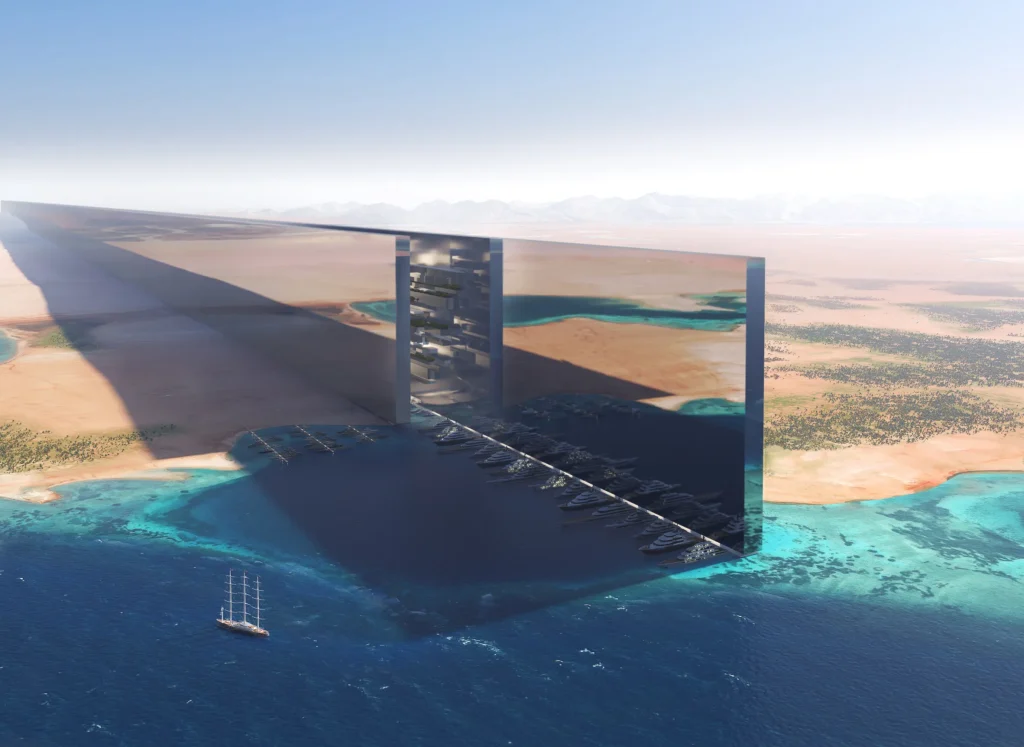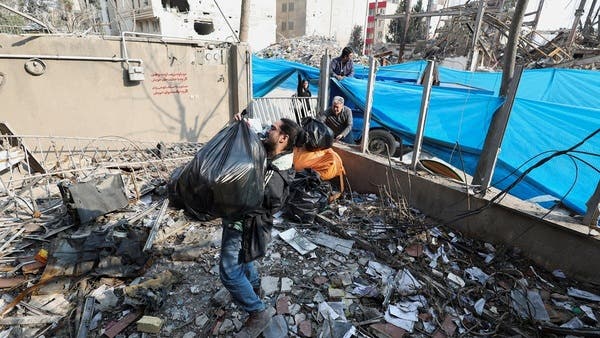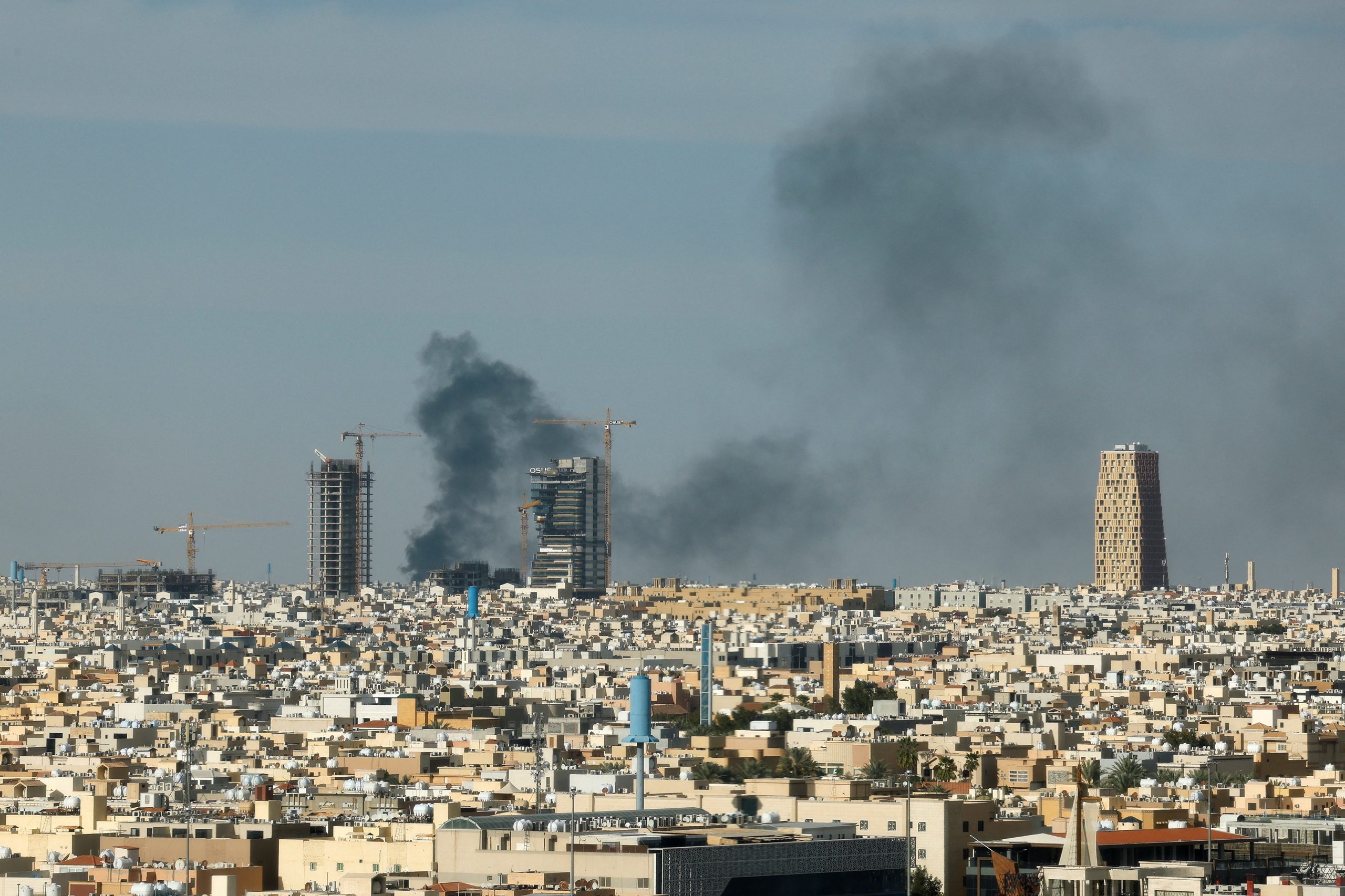

The escalation of regional hostilities presents a direct and material threat to the financing architecture underpinning Saudi Arabia’s Vision 2030. The kingdom’s stated target of $100 billion in annual foreign direct investment by 2030—a tripling of current inflows—relies on a narrative of stability and openness now fundamentally challenged. Sovereign capital, primarily deployed through the Public Investment Fund (PIF), will face a critical trilemma: accelerating deployment to meet domestic development timelines versus preserving liquidity amid rising regional risk premiums versus reallocating assets to preserve capital value. This tension is immediate; the PIF’s role as both a domestic development engine and a global investor is now constrained by balance sheet caution and heightened political risk calculations from its foreign partners.
The differential impact on capital fleets will be pronounced. State-backed, contractually obligated infrastructure programmes—such as those tied to the 2030 Expo and 2034 World Cup—will exhibit relative resilience, shielded by sovereign guarantees and the existential importance attached to these flagship projects. Conversely, discretionary greenfield foreign direct investment and venture capital allocations, which form the bedrock of the private-sector diversification goals, are acutely vulnerable. These forms of capital, characterized by flexibility and risk aversion, are the first to stall, as evidenced by Chinese banks already reducing Middle Eastern exposure. This segment’s slowdown directly undermines the job creation and tech-sector development central to Vision 2030’s non-oil growth objectives.
For the broader MENA region, the conflict instantiates a structural repricing of geopolitical risk that will recalibrate all cross-border capital flows. Infrastructure projects, whether in Gulf logistics hubs, North African renewable energy zones, or Levantine digital corridors, will now incur a permanent risk premium in their financing costs. Sovereign wealth funds across the GCC will likely adopt a more defensive posture, prioritizing national and regional asset preservation over ambitious outward deployment. The immediate effect is a financing gap for early-stage, high-potential ventures reliant on foreign VC, while large-scale, sovereign-backed projects may proceed but at a higher cost of capital and with intensified scrutiny on foreign contractor nationalities and supply chain provenance.
Yet, the region’s fundamental geopolitical and economic assets—its energy export capacity, critical maritime chokepoints, and aspirational position as a global trade and services nexus—remain, by definition, essential to long-term global供应链. The current crisis may therefore induce a strategic repositioning rather than a wholesale retreat. Sovereign investors will likely double down on controlling domestic infrastructure and strategic assets, while seeking co-investment structures that transfer greater risk to foreign partners. The mandate for Gulf governments is clear: to subsidize the risk premium required to maintain capital inflows, a costly but necessary endeavor if the region is to retain its trajectory as a deployer and attractor of global capital. The calculus has shifted from pure return optimization to one of strategic resilience, where the “cost of doing business” is now explicitly a cost of managing geopolitical volatility.