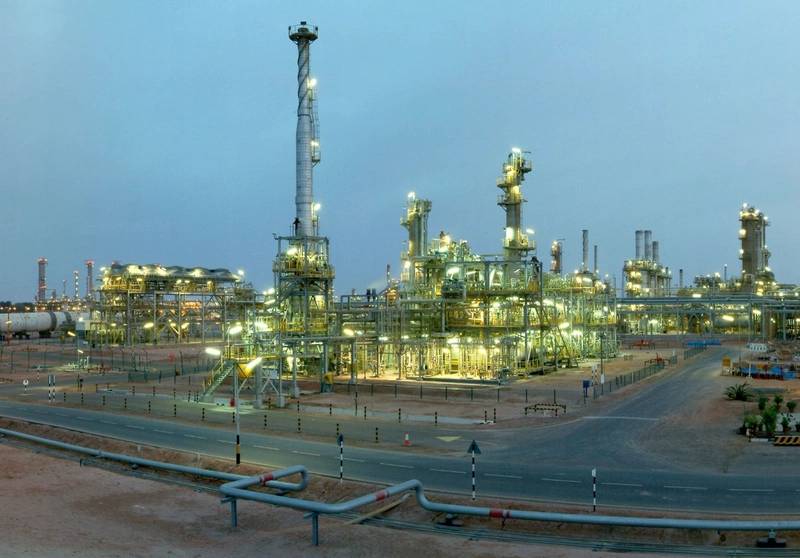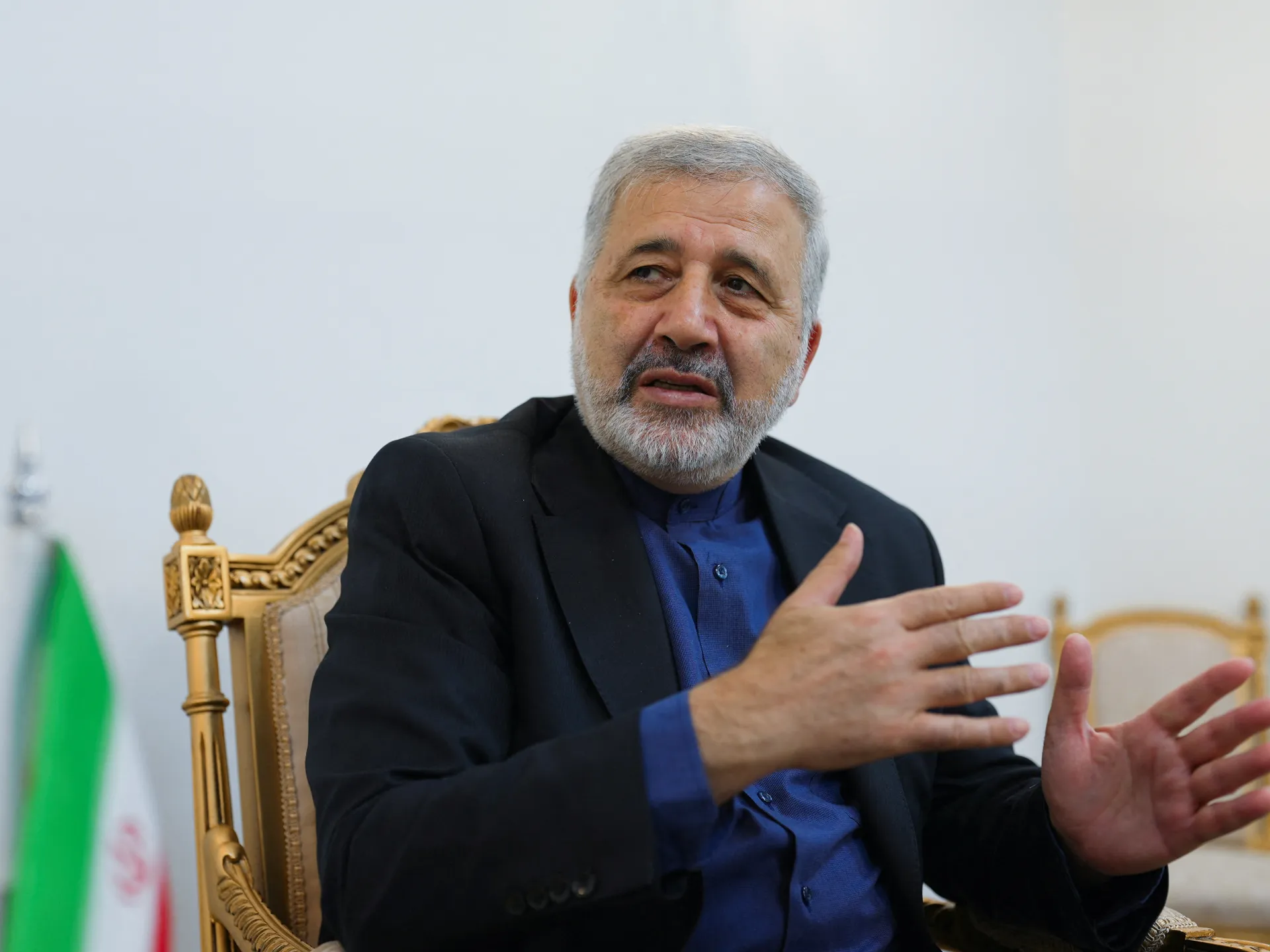

The recent spate of attacks on energy infrastructure in the Gulf, coupled with Iran’s ambassador Alireza Enayati’s statements and the ongoing regional conflict, necessitates a rigorous assessment of the immediate and medium-term financial and strategic ramifications for the MENA region. The halt at Ras Tanura and strikes on Shaybah underscore critical vulnerabilities in the region’s economic backbone, directly impacting global oil supply stability and insurance premiums. From a sovereign capital perspective, this volatility forces Public Investment Fund (PIF) and other regional SWFs to recalibrate risk exposure across energy assets and infrastructure, potentially accelerating diversification into non-critical sectors like technology or logistics. Concurrently, venture capital flows into MENA tech hubs are facing heightened scrutiny, as investors demand enhanced risk mitigation protocols and reassess the region’s operational resilience amid geopolitical friction.
Sovereign capitals across the Gulf are implicitly pressured to re-evaluate their security collaboration frameworks, particularly concerning the shield provided by external powers. Ambassador Enayati’s emphasis on regional autonomy underscores a growing sentiment that Gulf states must bolster indigenous defense capabilities and economic self-sufficiency. This dynamic directly influences infrastructure spending, with accelerated budgets now allocated towards hardening critical installations and developing alternative logistical corridors. The evolving diplomatic channel between Riyadh and Tehran, while nascent, suggests potential economic normalization could unlock trade corridors and supply chain efficiencies, yet remains overshadowed by the immediate security imperative. Sovereign wealth funds are strategically positioned to facilitate this integration, albeit cautiously, potentially through joint infrastructure ventures aimed at enhancing regional connectivity and resilience.
Ultimately, these geopolitical shifts signal a profound reconfiguration of the MENA investment landscape and regional architecture. The palpable frustration among Gulf states at being ensnared in conflicts initiated by external powers drives a foundational shift towards deeper intra-regional economic integration, as advocated by Enayati. This pivot towards a self-reliant Gulf Cooperation Council (GCC) plus Iraq and Iran axis could catalyze unprecedented infrastructure development projects, including cross-border energy grids and trade networks. Simultaneously, the heightened security environment necessitates recalibrated venture capital strategies, favoring technologies bolstering cybersecurity, critical infrastructure monitoring, and supply chain resilience. Sovereign capital will play a pivotal role in orchestrating this transition, leveraging significant capital reserves to reshape the regional economic order towards enhanced stability and integrated sovereign capabilities.