
Iranian Instability: Regional Financial And StrategicRepercussions
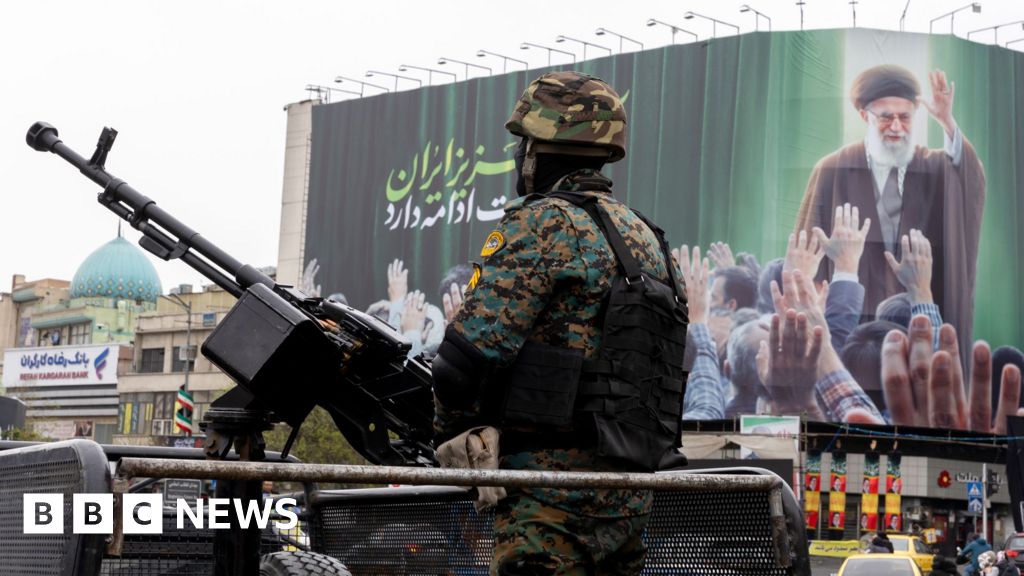
The escalating conflict involving Tehran and external actors, coupled with internal regime consolidation, poses significant risks to the Middle East’s financial architecture. While the immediate human toll on Tehran’s residents is profound, the strategic destabilization profoundly impacts sovereign capital allocation across the region. Western sanctions and perceived Iranian aggression amplify geopolitical risk premiums, compelling GCC sovereign wealth funds and regional central banks to reallocate reserves towards perceived safe-havens, potentially diverting investment from regional development projects. This capital flight, both literal and strategic, undermines regional liquidity and complicates coordinated monetary policy responses.
Sovereign Capital Flows Under Strain
The Iranian regime’s assertive posture and potential further military actions trigger defensive capital reallocation by regional sovereigns. The heightened risk of regional contagion pressures Gulf Cooperation Council (GCC) sovereign wealth funds (SWFs) and central banks to prioritize asset preservation over growth-oriented regional investments. This shift diverts substantial capital towards external, traditionally safer assets, exacerbating liquidity constraints within domestic markets and potentially slowing regional infrastructure financing. The resultant tightening of regional liquidity, even if temporary, could increase borrowing costs and constrain long-term capital-intensive projects across MENA.
Venture Capital Deterioration and Economic Deterioration
The escalating instability severely constrains venture capital activity within Iran and casts a long shadow over the broader MENA venture ecosystem. Iranian entrepreneurs face a collapsing risk-reward calculus; sanctions, capital controls, and a deepening recession drastically reduce potential exits and increase operational risks. Simultaneously, regional institutional investors and limited partners (LPs) face increased volatility in their portfolios due to the geopolitical shock. This environment fosters capital retreat from MENA VC, particularly in high-risk jurisdictions like Iran, potentially stalling innovation ecosystems and depriving regional startups of vital growth capital for years, irrespective of underlying technological merit.
Infrastructure Implications and Strategic Realignment
The financial turbulence accelerates a strategic realignment within MENA infrastructure planning. Governments and SWFs are likely to prioritize defensive assets—enhanced border security, cyber resilience, and critical utility infrastructure—over long-term, transformative projects. Defense and security infrastructure investment is projected to rise substantially, diverting public and sovereign capital. Conversely, cross-border energy, transportation, and digital connectivity projects face heightened uncertainty, potentially delaying or restructuring ambitious initiatives due to financing challenges and renewed geopolitical fragmentation. This shift underscores infrastructure’s growing role as a barometer for regional strategic priorities amid volatility.