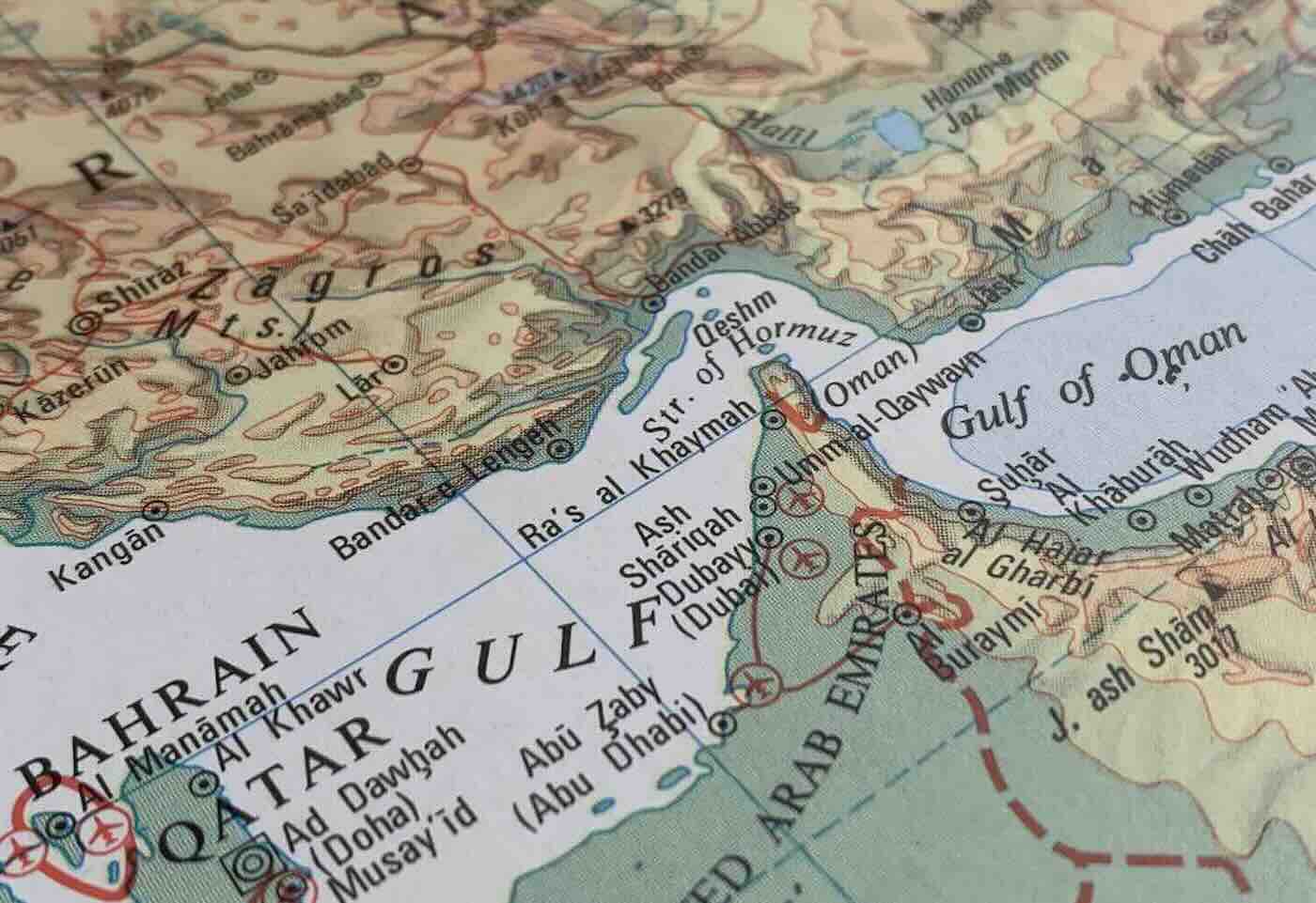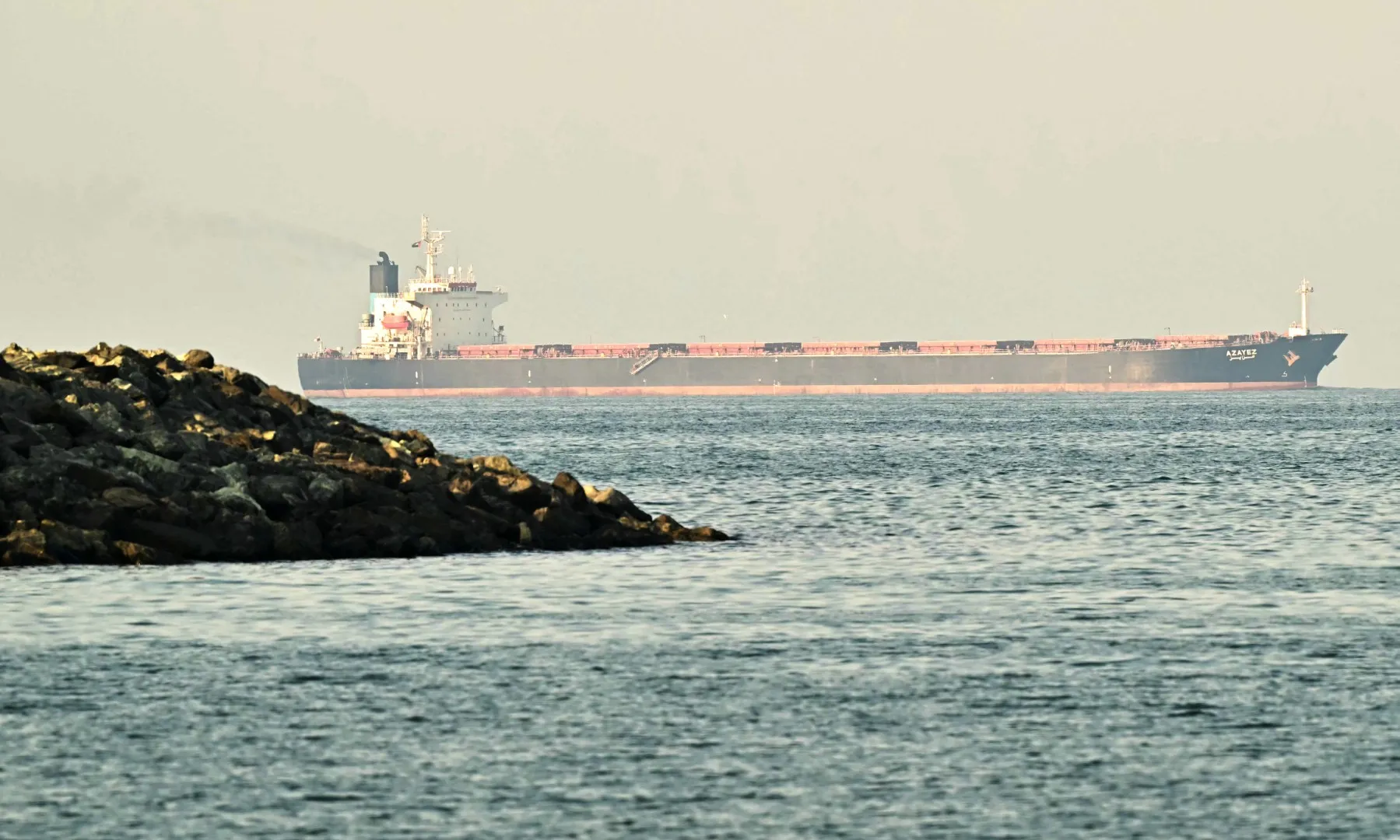

Recent data indicates a discernible shift in maritime traffic through the Strait of Hormuz, a critical artery for global energy supply, with a near doubling of non-Iranian vessel transits observed in the past few days. This renewed, albeit limited, flow, detected by maritime intelligence firms, suggests a nuanced operational posture by Iran, potentially signaling a calculated allowance for passage to certain nations, including key energy consumers like China and India. While overall traffic remains significantly below pre-existing levels – down over 95% since the commencement of regional conflict – this partial reopening carries substantial implications for both regional and global economic dynamics.
The business impact of this development is multifaceted. The intermittent resumption of traffic offers a degree of relief to global oil markets, which have experienced considerable volatility, exceeding $100 per barrel following initial disruptions. However, the precarious nature of this access, contingent on Tehran’s evolving directives, introduces significant uncertainty and risk for shipping companies. This instability underscores the vulnerability of vital energy routes and necessitates proactive risk management strategies, including increased insurance premiums and potential rerouting costs. Furthermore, the ongoing restrictions impact supply chain efficiencies for nations reliant on Middle Eastern hydrocarbons, potentially influencing investment decisions and broader economic planning across the MENA region and beyond.
From a sovereign capital perspective, the situation highlights the complex interplay between geopolitical tensions and economic imperatives. Iran’s actions appear driven by a combination of strategic signaling and economic considerations, potentially seeking to maintain some level of revenue generation while asserting its position in the region. The long-term implications for sovereign wealth funds in the region remain unclear, contingent on the duration and intensity of the conflict and the stability of energy markets. Meanwhile, venture capital activity within the MENA technology sector, heavily reliant on stable energy prices and secure trade routes, faces headwinds, potentially impacting growth trajectories and investment flows.
The infrastructure implications are equally significant. While the Strait itself remains operational to a degree, the heightened risk environment necessitates increased investment in maritime security and surveillance technologies across the region. This could spur demand for advanced monitoring systems, cybersecurity solutions for shipping operations, and enhanced port security measures. Moreover, any sustained disruption to Hormuz highlights the urgent need for diversification of energy sources and transportation corridors within the broader MENA region to mitigate future vulnerabilities. The resilience of regional infrastructure, particularly ports and logistical networks, will be a critical factor in navigating this volatile geopolitical landscape.