
The escalating conflict in the Middle East is rapidly reshaping the region’s geopolitical landscape and presenting significant implications for investment, infrastructure, and regional stability. Iran’s continued barrage of ballistic missiles and drone attacks on Saudi Arabia, along with reported incursions into the UAE, Bahrain, Kuwait, Jordan, and Iraq, underscores the heightened risk environment directly impacting sovereign capital and attracting increased scrutiny from global investors.
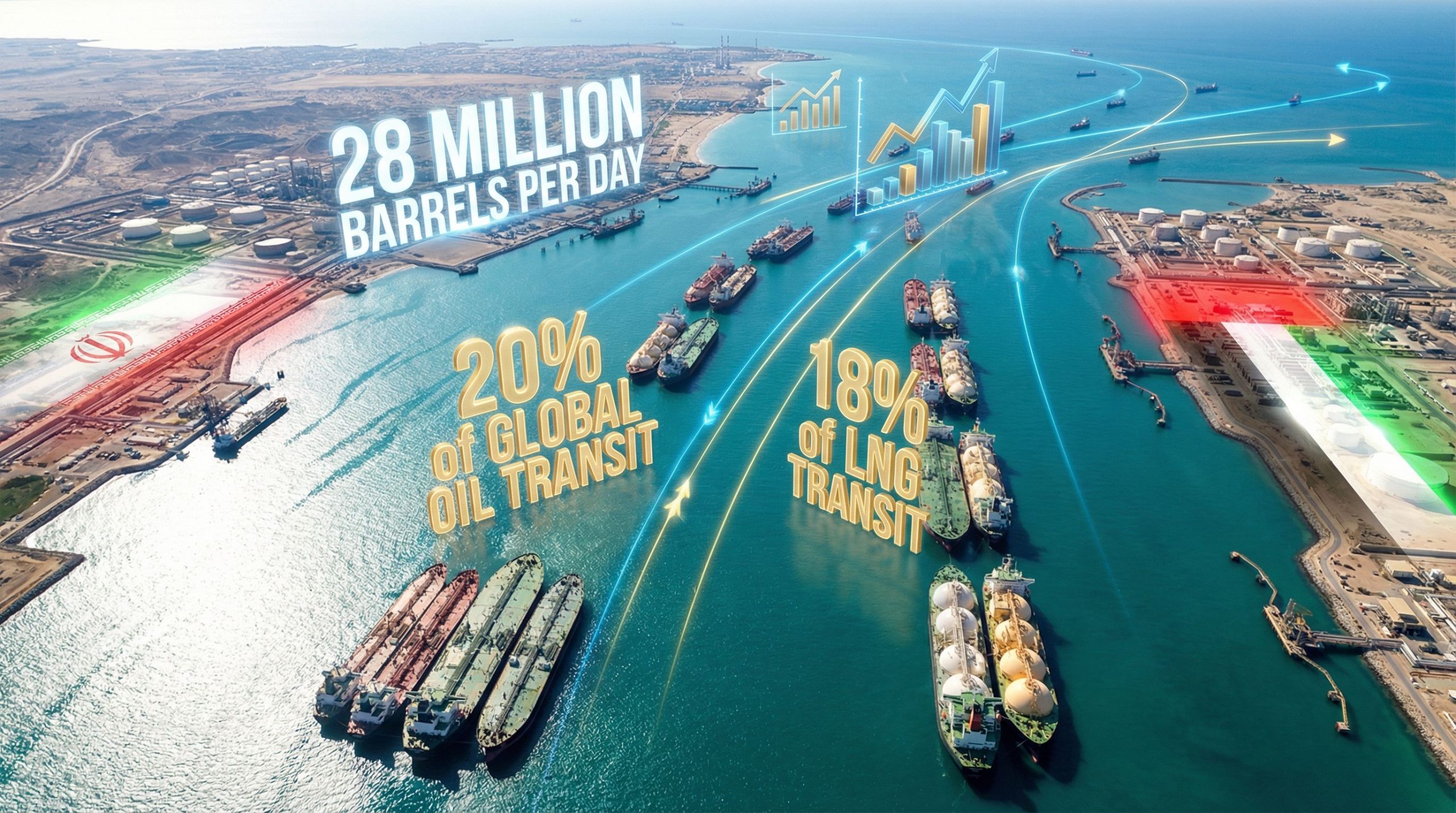
The escalating hostilities are triggering a reassessment of risk profiles within the MENA region. Sovereign wealth funds, particularly those heavily invested in energy sector assets within Saudi Arabia, are facing a direct threat to their holdings. While short-term market volatility is expected, the long-term impact on investor sentiment and the attractiveness of MENA as an investment destination is being closely watched. Furthermore, the heightened security risks are spurring increased engagement from venture capital firms focused on defensive technologies and cybersecurity, aiming to bolster regional air defense capabilities and protect critical infrastructure. The ripple effects extend to oil and gas, with potential disruptions to supply chains and increased insurance premiums becoming a significant concern.
The conflict is undeniably accelerating the development of regional infrastructure. Increased investments in air defense systems across states like Saudi Arabia and Jordan are demonstrating a strategic shift toward resilience. Beyond defense, the turmoil is encouraging diversification of infrastructure strategies. The war’s impact on oil and gas infrastructure could incentivize regions to invest in alternative energy projects and smart grid technologies. Moreover, the regional focus on strengthening maritime security is likely to increase, requiring investments in port security, naval capabilities, and supply chain resilience. These trends will be pivotal for fostering long-term economic growth in the MENA region.
The situation’s trajectory will crucially influence the dynamics of regional power and the broader geopolitical alignment. Saudi Arabia’s decision to expel Iranian military officials signals a hardening stance against Iranian influence. The ongoing conflict and the expected intensification of attacks could fundamentally alter the balance of power in the region. The success of regional efforts to bolster defense capabilities, attract resilient capital, and diversify infrastructure will dictate the long-term viability and prosperity of the MENA region in a more volatile geopolitical environment. Investors and policymakers alike must carefully analyze these developments to navigate the evolving landscape and mitigate potential risks.