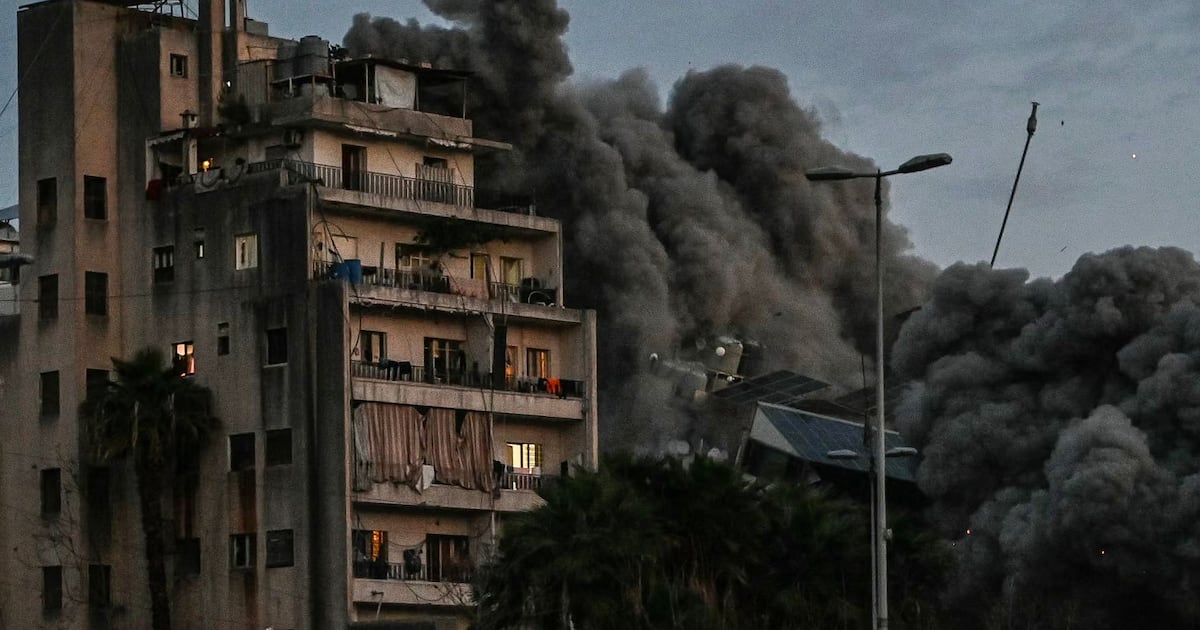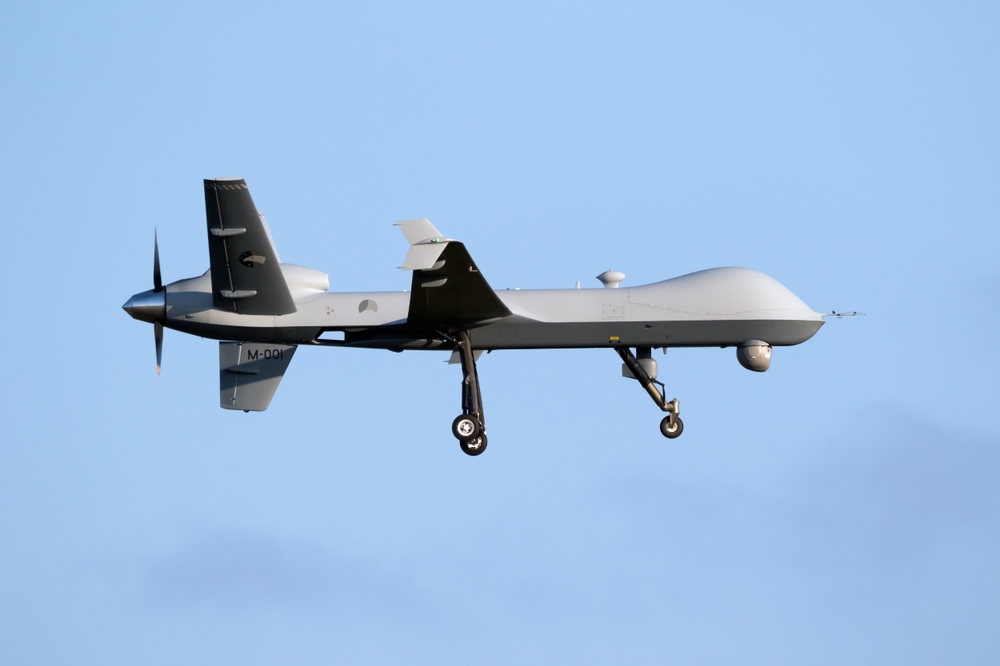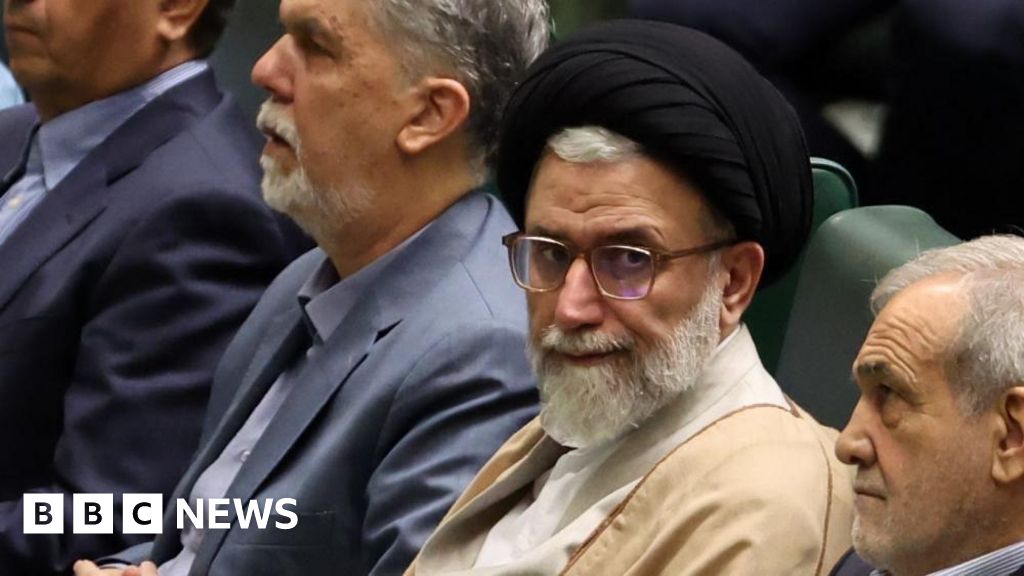

The reported killing of Khatib by Israeli forces represents a significant escalation in the protracted shadow war between Israel and Iran, carrying profound ramifications for the Middle East and North Africa’s (MENA) financial and technological landscape. Beyond the immediate geopolitical implications, this event underscores the increasing risk profile for businesses operating within the region, particularly those with exposure to sectors perceived as strategically sensitive. The potential for retaliatory actions necessitates a heightened focus on cybersecurity, operational resilience, and risk mitigation strategies for international firms seeking to invest or expand in MENA.
The incident will likely impact sovereign capital flows. Regional states, already navigating complex economic challenges and geopolitical uncertainties, will face increased pressure to reassess investment decisions and diversify economic partnerships. Sovereign wealth funds, a critical engine for infrastructure development and technological advancement across the region, may adopt a more cautious approach, prioritizing projects deemed less vulnerable to cross-border conflict and political instability. This shift could particularly affect ventures reliant on Israeli technology or with significant commercial ties to the country.
Venture capital activity within MENA will undoubtedly be affected. The heightened tensions create a climate of uncertainty that can deter both local and international investor appetite. Startups, especially those leveraging technology in sectors considered strategically sensitive, may face difficulties securing funding and attracting talent. A potential slowdown in venture capital deployment could significantly hinder the region’s ambition to become a technology hub and impede the progress of critical digital transformation initiatives. Furthermore, investment in infrastructure projects, often reliant on international partnerships, could be delayed or redirected.
Longer-term, the conflict reinforces the imperative for regional diversification of infrastructure and technological capabilities. The need to reduce reliance on any single nation, particularly in key sectors like cybersecurity and critical infrastructure, becomes paramount. This necessitates accelerating investments in indigenous technological development, strengthening regional supply chains, and fostering greater cooperation amongst MENA nations. Failure to address these vulnerabilities could jeopardize the region’s long-term economic competitiveness and its ability to capitalize on the burgeoning opportunities presented by the global technological revolution. The immediate consequence is a reassessment of risk, potentially delaying crucial infrastructure and technological projects dependent on regional stability and international trust.