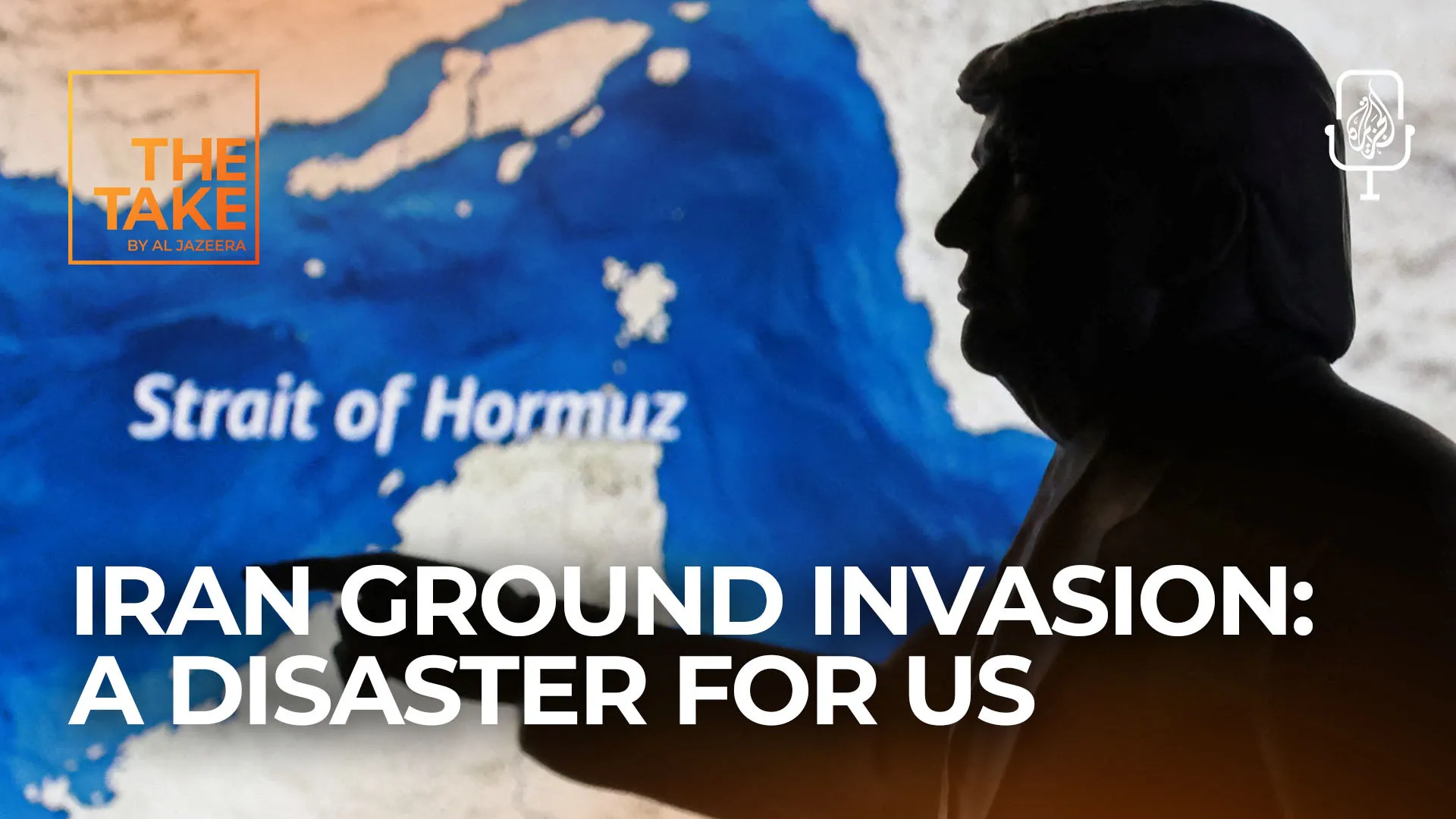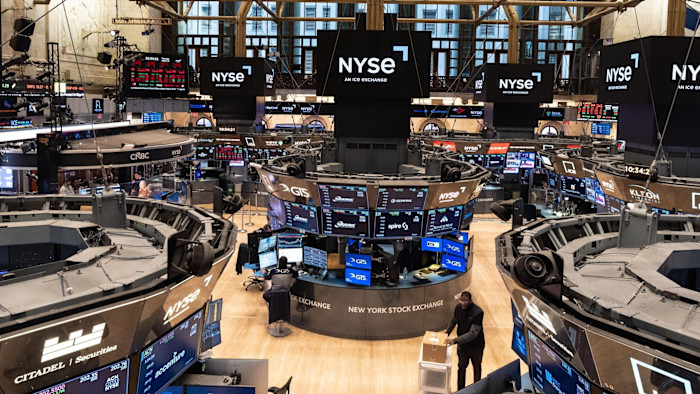

The recent escalation of tensions in the Middle East, specifically the heightened risk of disruption to the Strait of Hormuz, has triggered a significant and broad-based sell-off across global equity and fixed income markets, representing the most severe downturn since late 2022. The surge in energy prices, exceeding 50% since the onset of the crisis, is not merely an inflationary pressure; it’s a systemic shock with profound implications for the MENA region and beyond. While initial reactions focused on immediate market volatility, the longer-term consequences for sovereign wealth funds, regional venture capital activity, and infrastructure development warrant careful scrutiny.
For MENA sovereign wealth funds (SWFs), the situation presents a complex duality. While the region benefits directly from higher oil revenues, bolstering their asset bases, the broader market turmoil and inflationary pressures pose challenges to their global investment portfolios. We anticipate a recalibration of investment strategies, with a likely shift towards defensive assets and a greater emphasis on domestic investments to mitigate exposure to global volatility. Furthermore, the increased geopolitical risk may incentivize SWFs to prioritize investments in sectors deemed strategically vital, such as energy security and critical infrastructure within the region, potentially crowding out private sector investment in certain areas. The scale of capital deployed by these funds—estimated at over $4 trillion collectively—means any significant shift in allocation will have global repercussions.
The venture capital landscape across MENA is also facing headwinds. While the region has witnessed impressive growth in VC funding over the past few years, particularly in fintech and e-commerce, the current market uncertainty is likely to dampen investor appetite. We expect a slowdown in deal flow and a greater emphasis on due diligence and profitability metrics, moving away from the “growth at all costs” model that has characterized recent years. However, opportunities may emerge in sectors directly benefiting from the crisis, such as cybersecurity, logistics, and alternative energy solutions. The ability of regional VC funds to demonstrate resilience and adapt to the changing environment will be crucial for maintaining momentum in the long term. Government-backed innovation funds will likely play a more active role, providing stability and targeted support to promising startups.
Finally, the crisis underscores the critical importance of regional infrastructure development, particularly in energy transportation and storage. The vulnerability exposed by the potential disruption to the Strait of Hormuz highlights the need for diversification of energy supply routes and increased investment in alternative energy sources. We anticipate renewed focus on projects such as pipelines, LNG terminals, and renewable energy infrastructure across the GCC and North Africa. This will require significant public-private partnerships and potentially attract increased foreign direct investment, contingent on a stable geopolitical outlook. The ability of regional governments to proactively address these infrastructure gaps will be a key determinant of long-term economic resilience and stability.