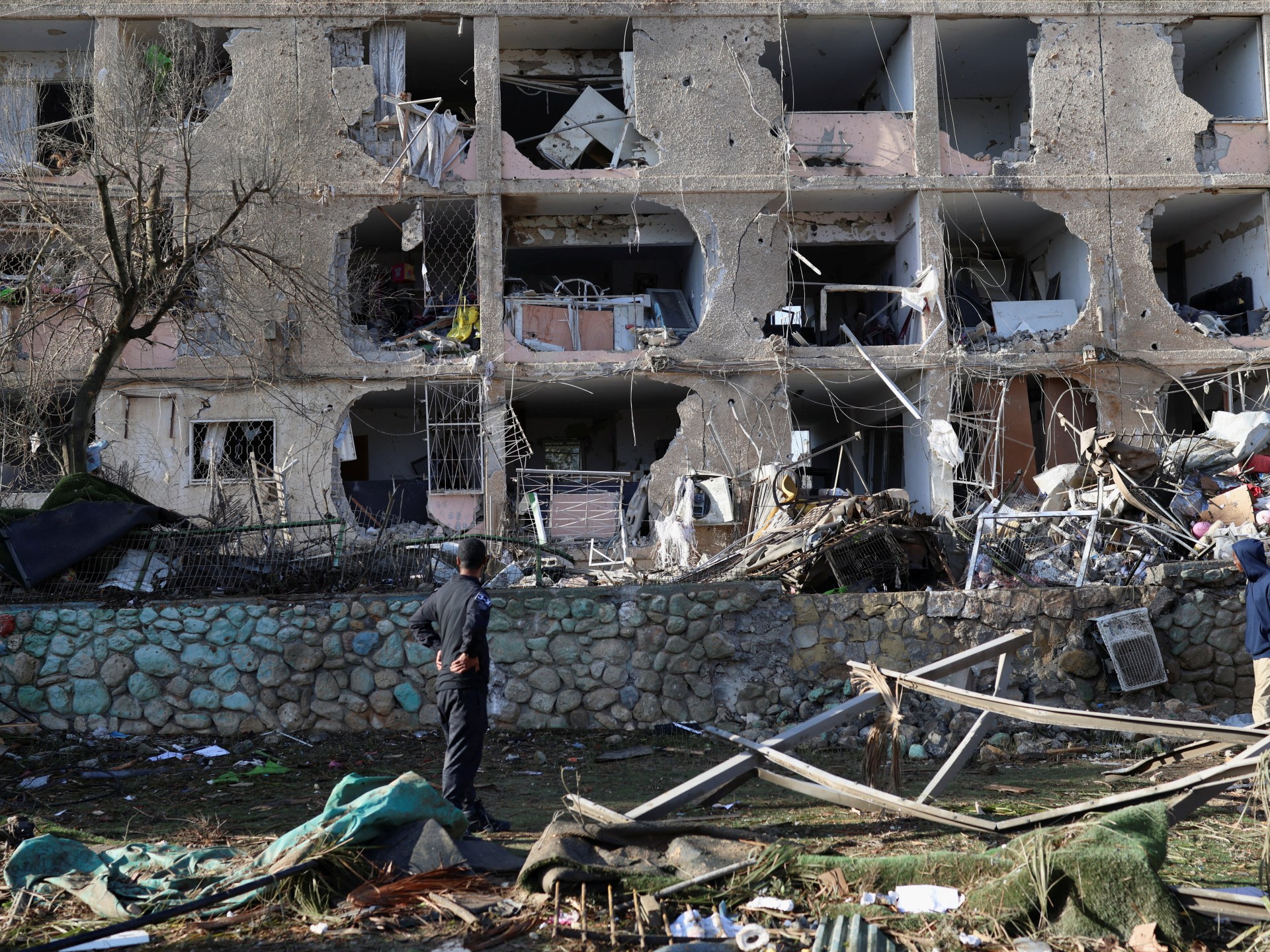

The recent missileexchange between Iran and Israel marks a significant escalation that threatens to disrupt the delicate balance of sovereign capital flows across the MENA region. The strikes on Dimona and Arad, proximity to Israel’s nuclear research centre, have raised alarms among Gulf sovereign wealth funds, which have increasingly allocated portions of their portfolios to Israeli technology and defence assets. Heightened geopolitical risk is likely to prompt a reassessment of exposure, with potential reallocation toward perceived safer havens such as Saudi Arabia’s NEOM infrastructure bond programme or the UAE’s Masdar clean‑energy funds. The episode also underscores the vulnerability of critical infrastructure—particularly desalination plants and power grids that cluster around the Negev desert—to kinetic attacks, raising the spectre of cascading service disruptions that could impair industrial output and increase operating costs for multinational firms operating in the corridor.
From a venture‑capital perspective, the incident amplifies long‑standing concerns about the resilience of Israel’s high‑tech ecosystem, a cornerstone of regional innovation financing. Early‑stage investors, many of whom have syndicated capital through Jerusalem‑based accelerators and Tel‑Aviv incubators, may tighten deal flow and increase due‑diligence scrutiny on cyber‑physical security measures. Simultaneously, Gulf‑based VC platforms, which have begun co‑investing in Israeli fintech, agritech, and quantum‑computing ventures, could see a slowdown in cross‑border deal activity as limited partners demand stronger risk‑mitigation clauses. The heightened perception of geopolitical volatility may also accelerate the trend of regional sovereign funds establishing dedicated “defence‑tech” windows, seeking to capture upside from dual‑use technologies while hedging against geopolitical shocks.
Infrastructure planners across the MENA corridor must now factor the prospect of kinetic strikes into their risk models, especially for projects that link energy, water, and telecommunications networks between Israel, Egypt, Jordan, and the Gulf states. The disruption of transport logistics through the Red Sea and heightened insurance premiums for cargo traversing the Suez Canal could compress trade volumes, indirectly affecting the fiscal balances of oil‑exporting nations that rely on transit revenues. In response, multilateral development banks and regional lenders are likely to prioritise financing for hardened, redundant infrastructure—such as underground fibre corridors, decentralised solar micro‑grids, and mobile desalination units—thereby reshaping the pipeline of capital‑intensive projects over the next 24‑36 months. The episode thus serves as a stark reminder that security considerations are inseparable from the economic calculus driving the region’s next wave of investment.