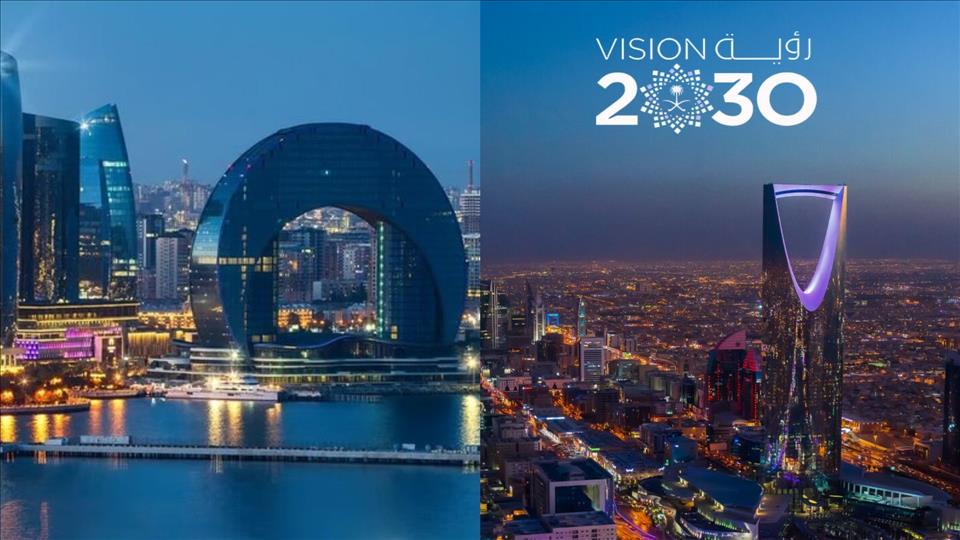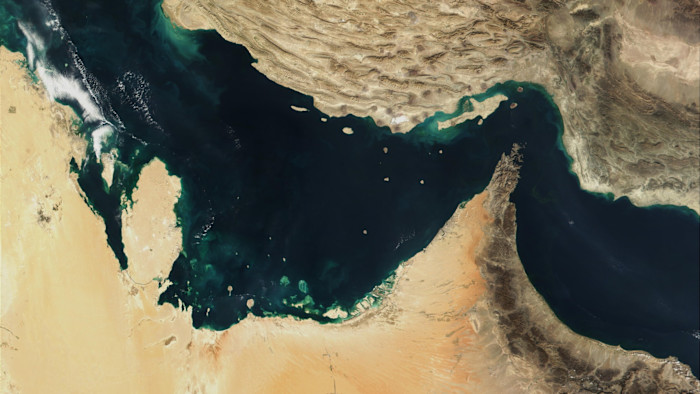

The divergent strategicblueprints emanating from Washington and Tehran underscore profound implications for sovereign capital allocation and regional economic architecture within the Middle East and North Africa. The US 15-point plan, emphasizing security partnerships and counter-terrorism financing, signals a prioritization of state-centric security investments and stabilization funding. Conversely, Iran’s 10-point variant, focusing on economic resilience and technological advancement, reflects a different sovereign capital approach centered on domestic capacity building and sanctions evasion mechanisms. This chasm in strategic priorities will materially influence capital flows, with Gulf Cooperation Council (GCC) sovereign wealth funds and regional development institutions increasingly positioned to fill perceived security and infrastructure gaps, potentially reshaping regional alliances and capital deployment strategies. The differential impact on sovereign balance sheets and strategic reserves could intensify competition for regional influence, as states navigate between competing security paradigms and divergent economic trajectories.
Venture capital dynamics within the MENA region are poised for significant recalibration, driven by these divergent geopolitical imperatives. The US plan’s emphasis on security collaboration may unlock new funding streams for MENA startups aligned with defense and security technologies, potentially catalyzing growth in specialized sectors. Meanwhile, Iran’s focus on economic self-reliance could spur localized VC activity within its borders, though international capital constraints remain a major hurdle. For regional hubs like Dubai and Amman, attracting cross-border venture capital now demands heightened alignment with either the US security architecture or Iran’s economic resilience model, forcing a tactical realignment of investment theses and partnership strategies. This bifurcation may fragment the regional VC landscape, creating distinct pathways for startups depending on their strategic geographic and sectoral positioning.
The infrastructure development imperative emerges as the critical fulcrum balancing these competing sovereign capital narratives. The US plan’s focus on regional security necessitates substantial investment in cross-border security infrastructure and energy security projects, potentially diverting resources from traditional transportation and digital networks. Simultaneously, Iran’s economic agenda demands substantial domestic infrastructure modernization and energy diversification, exerting pressure on regional utility providers and energy export corridors. This dual demand creates both opportunity and friction, as MENA states must strategically allocate sovereign capital across competing infrastructure needs, while international development institutions face complex choices in funding alignment. The efficacy of these divergent plans hinges on the region’s ability to leverage existing infrastructure platforms—like the Arab Gas Pipeline or Gulf fiber optic networks—as conduits for both security imperatives and broader economic connectivity, demanding unprecedented levels of regional cooperation and institutional coordination to avoid fragmentation.