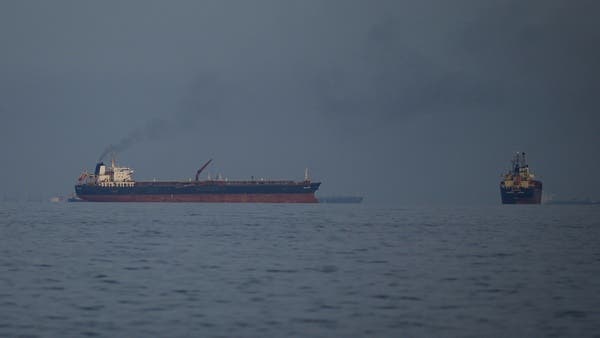

The resumption of maritime transit through the Strait of Hormuz following recent diplomatic engagements marks a pivotal moment for energy security and trade dynamics in the Middle East and North Africa. Malaysia’s successful negotiation to release its oil tankers underscores the urgent need for stable hydrocarbon supply chains, which remain a cornerstone of regional and global economic stability. As oil and gas revenues account for a substantial share of sovereign capital in MENA economies, any disruption in transit channels directly impacts fiscal health, budgetary allocations, and investment confidence. The diplomatic maneuvering by Malaysia, involving consultations with Iran, Egypt, and Turkey, reflects a growing recognition of the need for multilateral cooperation to mitigate sectoral risks. However, the underlying geopolitical tensions—exemplified by regional actors’ skepticism toward non-binding security assurances—highlight the fragility of such arrangements. For businesses operating in the energy and logistics sectors, this resolution offers a temporary reprieve but does little to address systemic vulnerabilities in supply chain dependencies on single chokepoints.
The financial implications of this situation extend profoundly to sovereign capital markets and venture capital ecosystems across the Gulf and North Africa. The temporary reprieve in oil transit may provide a short-term fiscal buffer for oil-importing nations, allowing governments to maintain targeted subsidies and manage inflationary pressures. However, the necessity for sustained reductions in fuel subsidies, as seen in Malaysia’s strategy, signals a broader shift toward fiscal prudence amid volatile energy prices. For oil-exporting states, stable Hormuz transit could temporarily bolster sovereign reserves, but the long-term risk of renewed disruptions necessitates strategic diversification of revenue streams. Concurrently, venture capital investments in the region may face divergent pressures: while energy infrastructure projects could see renewed funding due to supply chain stabilization, sectors reliant on hydrocarbons might experience delayed returns. Sovereign wealth funds, increasingly pivotal in MENA’s economic strategy, are likely to redirect capital toward alternative energy and technology ventures, aligning with diversification imperatives driven by energy security concerns. This realignment underscores a critical juncture for regional startups and innovators, as access to sovereign capital ties closely to geopolitical sentiment.
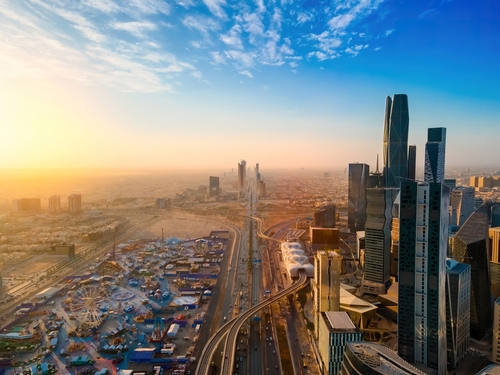
The crisis at the Strait of Hormuz has catalyzed a strategic reevaluation of regional infrastructure investments, with profound implications for trade connectivity and economic integration. The proposed new trade routes linking Saudi Arabia and the UAE, as indicated in the broader regional context, signal a preemptive response to potential bottlenecks and a push for localized resilience. Such initiatives require substantial capital infusion into port expansion, digital logistics networks, and cross-border transportation systems—sectors poised to attract both public and private investment. Regionally, sovereign capital may increasingly fund infrastructure projects with explicit security and economic diversification benefits, particularly in areas adjacent to strategic chokepoints. For venture capital, the emphasis shifts toward scalable solutions that reduce reliance on traditional trade corridors, such as blockchain-enabled supply chain management or renewable energy microgrids. However, the cyclical nature of geopolitical volatility complicates ROI projections, demanding adaptive risk models. Ultimately, the resolution or recurrence of Hormuz-related disruptions will serve as a litmus test for MENA’s ability to balance energy pragmatism with long-term infrastructure modernization.”