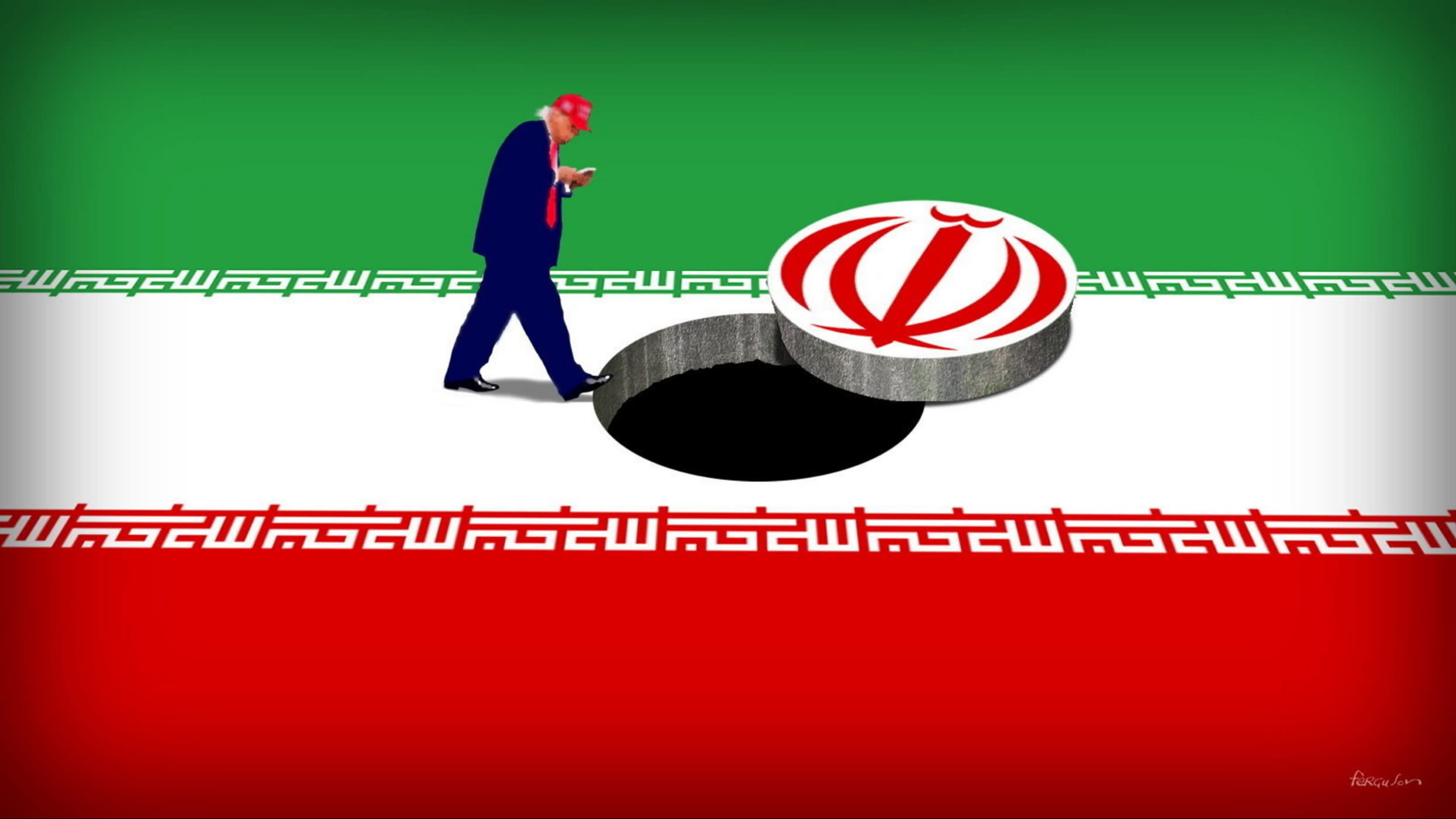

Iran’s proposal to establish a tolling mechanism at the Strait of Hormuz, a critical maritime chokepoint for global oil shipments, would carry profound business and geopolitical ramifications. As a de facto self-imposed checkpoint, this initiative could disrupt the seamless transshipment of crude oil—accounting for approximately 20% of global supply—threatening to inflate energy prices amid already volatile markets. Shipping firms and insurance providers, already wary of regional instability, may face heightened operational risks and cost surges, likely to be passed on to consumers and exporters who rely on rapid access to Persian Gulf oil. Such a unilateral move could also destabilize broader Middle East trade corridors, deterring private investment in regional infrastructure projects that depend on predictable logistical frameworks.
From a sovereign capital standpoint, this tolling strategy aligns with Iran’s broader economic warfare tactics, leveraging energy infrastructure to exert pressure on adversaries without direct confrontation. Revenue generated from fees could potentially offset sanctions-driven fiscal constraints, offering a parallel to Russia’s exploitation of energy exports post-Ukraine. However, unlike Russia’s state-driven model, Iran’s attempt to monetize maritime access risks escalation, as foreign actors—particularly Gulf Cooperation Council (GCC) states—could retaliate with counter-initiatives or seek alternative routes. This duality underscores the precarious balance between strategic defiance and economic self-sabotage in a region where sovereign actors weaponize finite resources to amplify influence.
The venture capital landscape in the MENA region faces immediate challenges if Hormuz becomes a contested zone. Uncertainty surrounding maritime security could deter investors in shipping, logistics, and port infrastructure, stifling innovation in areas like fraud-resistant payment systems or autonomous vessel navigation. Moreover, U.S. sanctions enforcers might target entities complicit in facilitating Iranian toll collections, complicating cross-border negotiations. Conversely, regional private equity players could exploit short-term opportunities in parallel infrastructure adaptations, such as U.A.E.-backed digitized customs systems in Oman or Kuwait’s push to expand northern ports, positioning themselves as alternatives to Hormuz-dependent logistics networks.
Regional infrastructure implications hinge on Iran’s ability to physically and technologically assert dominance over the strait’s entry points. Enhanced surveillance systems, fortified oil transit lanes, and localized emergency response centers would require significant capital investments, potentially straining state budgets prioritizing nuclear ambitions over public welfare. Conversely, this militarized infrastructure sees opportunity in niche Nicholasan sectors—e.g., AI-driven risk analytics platforms tailored for Middle Eastern shipping fleets—which could catalyze localized tech ecosystems. However, without multilateral cooperation, such developments risk fragmenting the region’s connectivity, deepening economic silos, and exacerbating reliance on Iranian energy monopolization tactics.