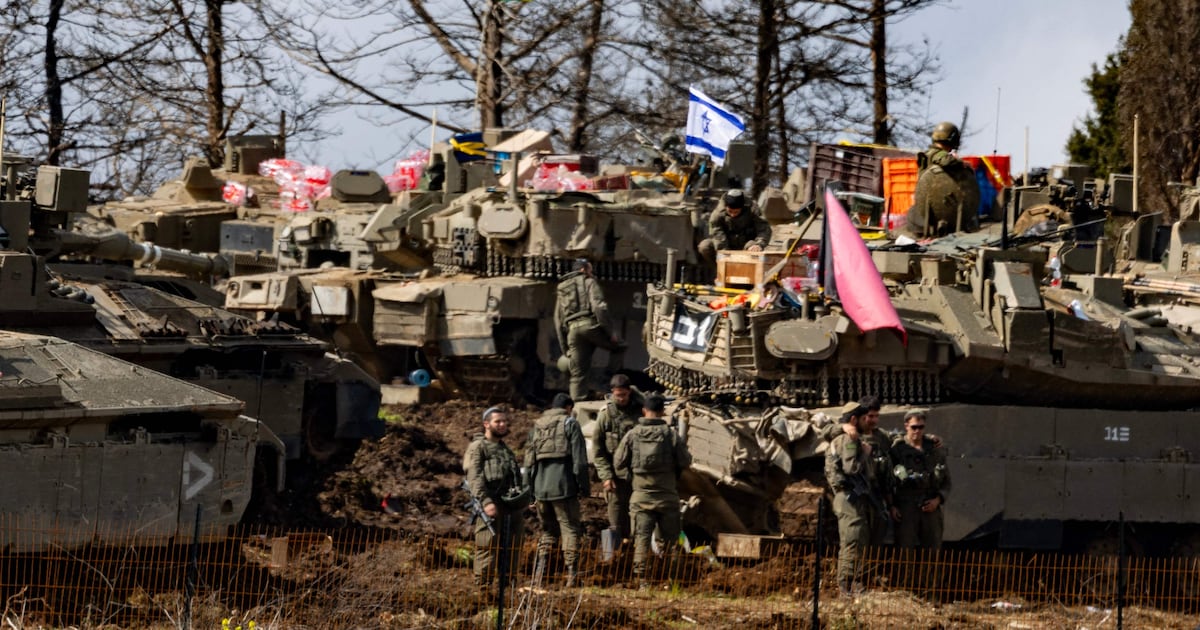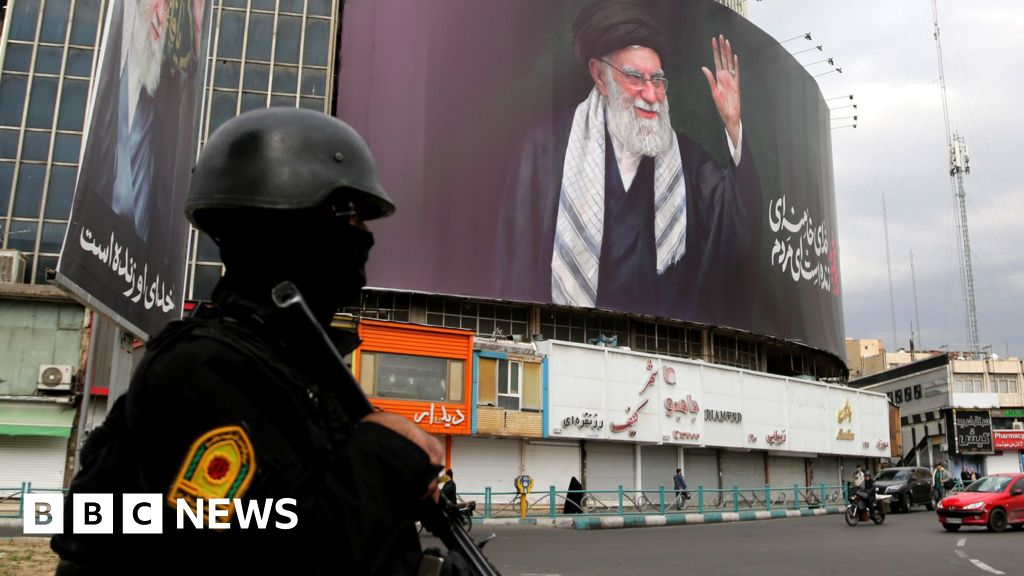

Recent reports detailing heightened security measures within the capital of an unnamed MENA nation warrant careful consideration from a financial and technological perspective. While anecdotal accounts of increased checkpoints raise immediate concerns about civil liberties, the underlying implications for the region’s economic trajectory, sovereign capital allocation, and technological development deserve closer examination. Such deployments, often justified by perceived threats, can significantly impact business operations. Supply chains may experience disruptions, logistics costs could escalate, and investor confidence—particularly from international firms—may be eroded, potentially dampening Foreign Direct Investment (FDI) across sectors.
The deployment of significant resources toward security infrastructure represents a substantial reallocation of sovereign capital. This diversion of funds could come at the expense of vital investments in infrastructure projects crucial for long-term economic diversification. The region’s ambitious plans for digital transformation, renewable energy initiatives, and sustainable urban development are already facing funding constraints. Prioritizing security over these sectors risks hindering the development of resilient, knowledge-based economies—a critical factor for sustained prosperity in the 21st century. Furthermore, the perception of instability can negatively affect sovereign credit ratings, impacting borrowing costs and access to international capital markets.
The impact on venture capital ecosystems is also noteworthy. Increased uncertainty surrounding political and economic stability often correlates with a slowdown in VC activity. Risk-averse investors may postpone or scale back investments in emerging technology startups, particularly those operating in sectors perceived as sensitive or vulnerable to geopolitical shifts. This could stifle innovation and limit the development of key technologies vital for regional competitiveness. The region’s ambition to become a hub for fintech, AI, and cybersecurity could be severely hampered by an environment perceived as unstable or unpredictable.
Beyond direct economic impacts, these security measures have profound implications for regional infrastructure development. The focus on physical security may overshadow the need for robust digital infrastructure—essential for enabling remote work, e-commerce, and advanced industrial processes. Moreover, disruptions to trade and investment flows can impede the expansion of critical infrastructure projects, such as ports, transportation networks, and energy grids, hindering long-term economic growth and regional integration. A balanced approach that prioritizes both security and sustainable economic development is paramount for the continued prosperity of the Middle East and North Africa.