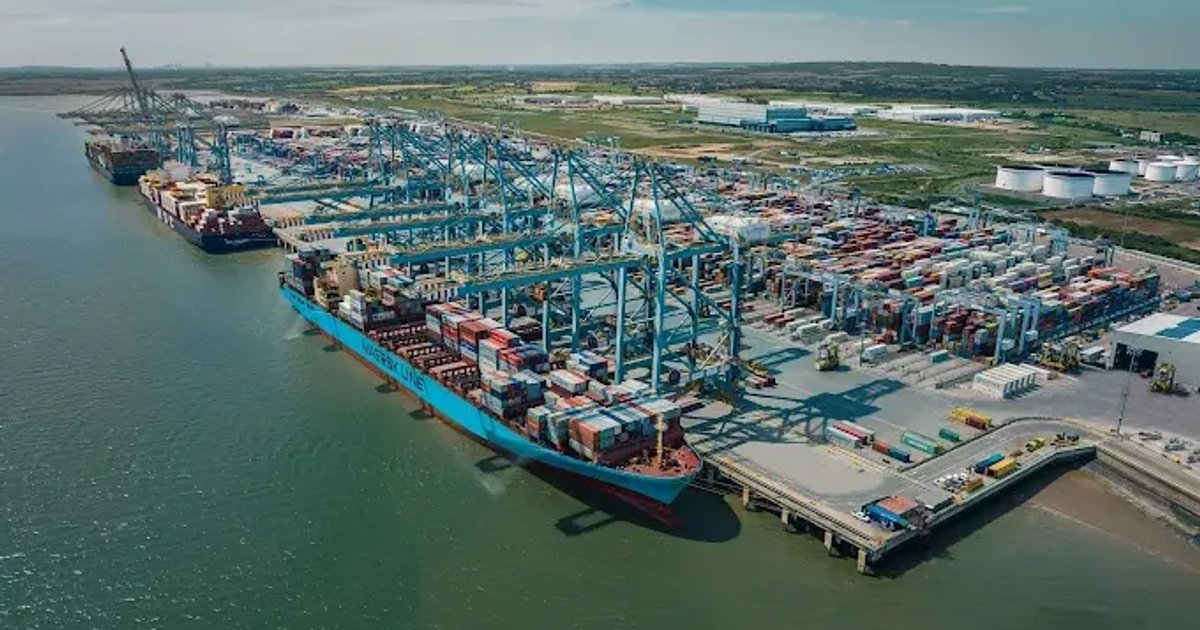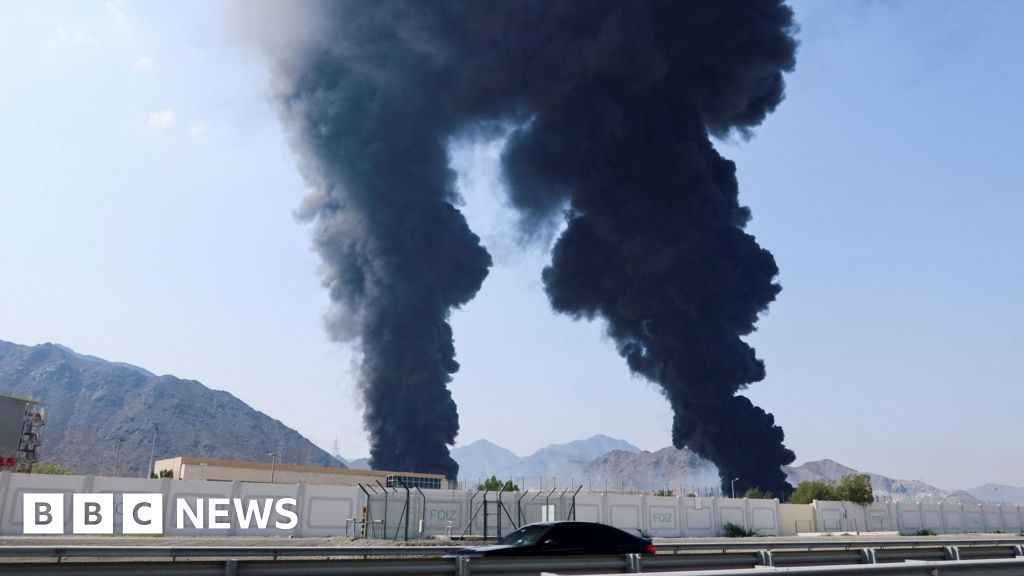

The Port of Fujairah has become a linchpin in the Gulf’s maritime contingency planning, offering an alternative conduit for crude and refined product flows whenever the Strait of Hormuz faces disruption. Its deep‑water berths, proximate storage capacity, and direct links to major refining hubs enable uninterrupted supply chains that safeguard both regional energy security and global market stability. In an era where geopolitical flashpoints can trigger sudden chokepoint closures, Fujairah’s operational readiness translates into tangible risk mitigation for exporters, importers, and the downstream sectors that depend on steady hydrocarbon movements.
Sovereign capital from the UAE, Saudi Arabia, and Qatar has increasingly been earmarked to fortify Fujairah’s infrastructure, viewing the port as a strategic asset that complements national reserve diversification and energy‑export resilience. Sovereign wealth funds are channeling allocations into terminal expansion, automated cargo‑handling systems, and environmental‑safety upgrades, often structured through public‑private partnerships that leverage sovereign balance sheets to lower financing costs. This sovereign backing not only enhances the port’s capacity to absorb shock events but also signals a broader regional commitment to de‑risking critical trade arteries amid volatile geopolitics.
Venture capital and private‑equity interests are responding to the port’s upgraded ecosystem by backing technology‑driven logistics platforms, maritime‑data analytics, and fintech solutions that streamline customs clearance, real‑time tracking, and supply‑chain financing. The emergence of a nascent maritime‑tech corridor around Fujairah mirrors the wider MENA push toward digital transformation, attracting seed‑stage funds focused on IoT‑enabled port operations and blockchain‑based trade documentation. Such VC activity amplifies the port’s value proposition, turning a traditional chokepoint bypass into a hub for innovation that can be replicated across other Gateway ports in the region.
From an infrastructure standpoint, Fujairah’s evolution is aligned with broader GCC initiatives, including the planned Etihad Rail network and the development of integrated logistics zones that connect seaport, airfreight, and overland corridors. Investment in resilient power grids, water desalination for port operations, and renewable‑energy micro‑grids further underscores the port’s role as a model for sustainable, future‑proof infrastructure. Collectively, these sovereign, venture, and public‑infrastructure dynamics position Fujairah not merely as a backup route but as a cornerstone of the MENA region’s strategy to safeguard trade flows, attract capital, and foster technological leadership in maritime logistics.