
Regional Infrastructure Under Siege: Gulf Energy Security Under Persistent Iranian Threat
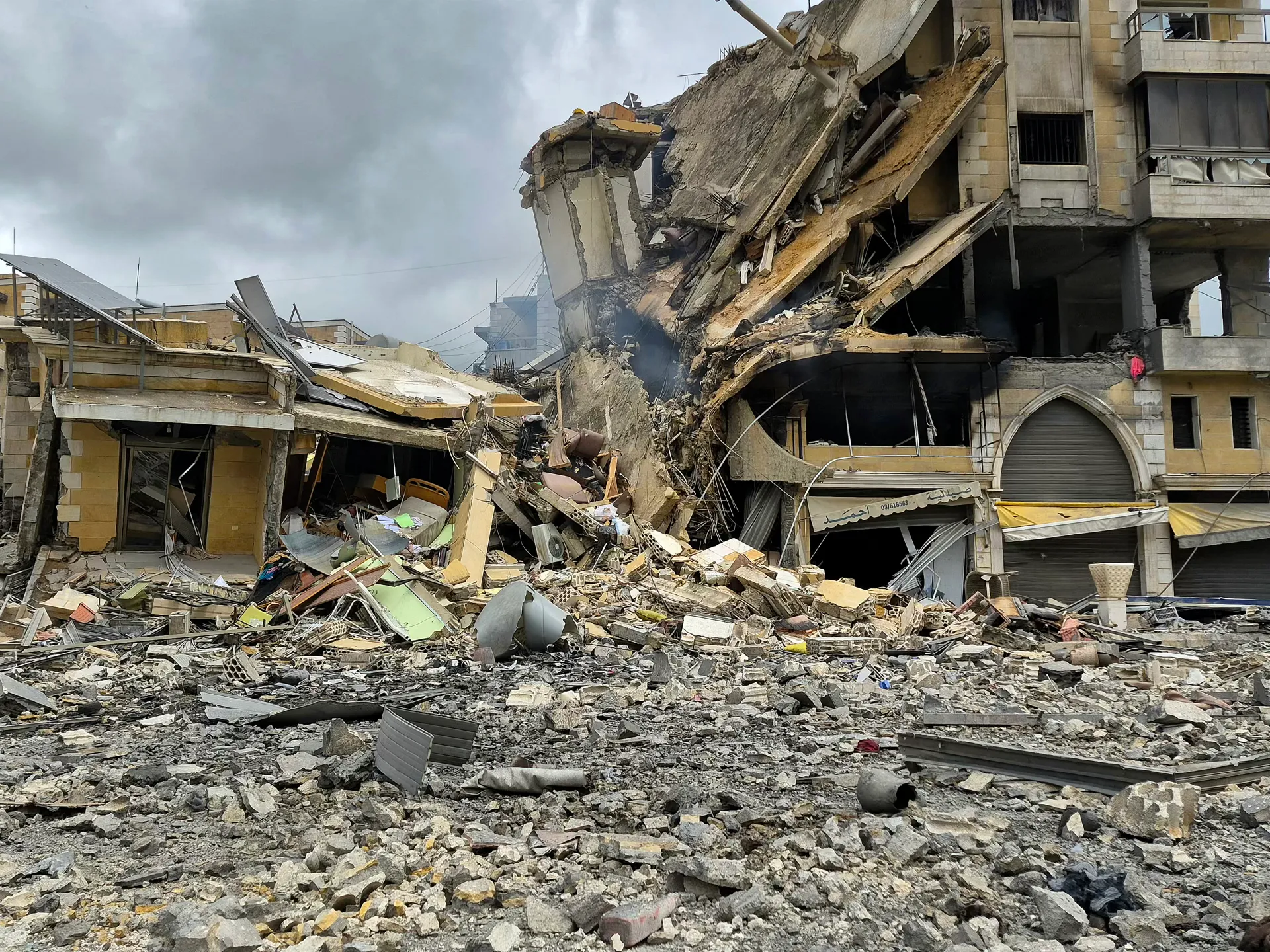
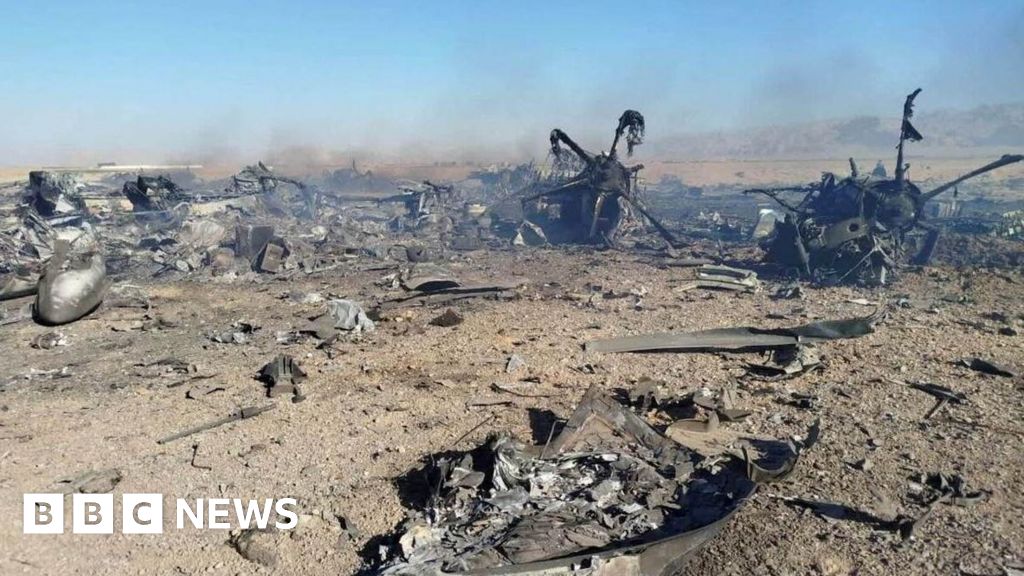
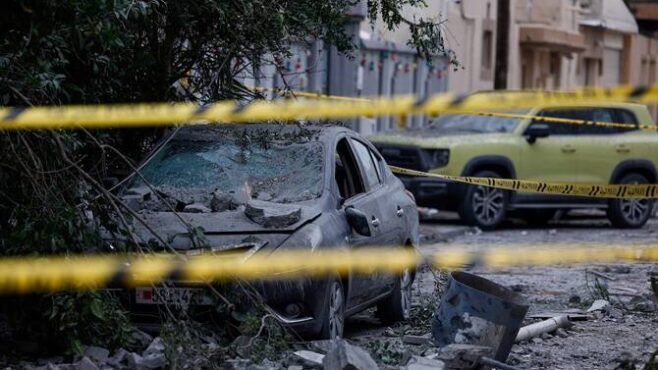
Iran’s sustained campaign of drone and missile strikes against Gulf energy infrastructure has inflicted significant disruption across the UAE, Bahrain, Kuwait, and beyond, posing acute risks to sovereign capital stability and regional economic continuity. Sunday’s attacks underscore the persistent vulnerability of critical facilities: a petrochemical plant in Ruwais, Abu Dhabi, experienced multiple fires after air defense interceptors diverted incoming projectiles, suspending operations at ADNOC Gas’s Borouge complex. Simultaneously, Iran targeted Kuwait Petroleum Corporation’s installations, igniting fires at storage tanks and desalination units, with Kuwaiti authorities confirming “severe material damage” and the shutdown of two electricity generating units. These incidents directly impact production capacity, export volumes, and energy availability, straining national reserves and corporate balance sheets already navigating post-pandemic recovery.
The financial implications extend beyond immediate physical damage to sovereign liquidity and venture capital dynamics. Gulf states, reliant on hydrocarbon exports for fiscal stability, face accelerated drawdowns of sovereign wealth funds to restore operations and compensate for lost revenue. This erodes buffers against external shocks and may constrain long-term infrastructure investments. Concurrently, venture capital flows towards critical infrastructure resilience—cybersecurity, drone interception, and energy diversification—are likely intensifying as regional sovereigns prioritize defensive capabilities. However, prolonged insecurity could deter foreign direct investment, particularly in non-energy sectors, exacerbating regional capital flight trends and forcing reallocations towards higher-risk, higher-reward ventures in tech-enabled security.
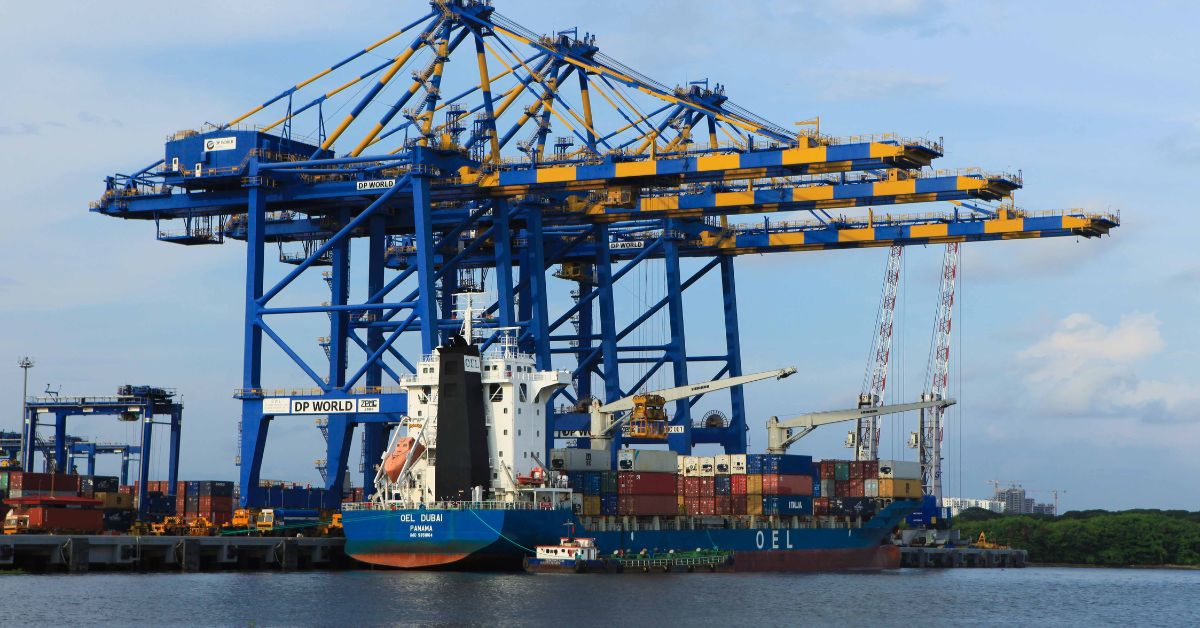
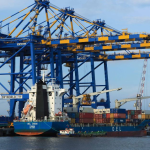
Infrastructure resilience now defines strategic competition, with Iran leveraging precision strikes on desalination plants and energy hubs to exacerbate water scarcity and economic vulnerability. The UAE’s Khor Fakkan port incident and Kuwait’s dual attacks on power and government facilities reveal a pattern of targeting civilian-industrial complexes to maximize psychological and economic impact. This compels Gulf sovereigns to accelerate capital expenditures on hardened infrastructure and autonomous defense systems, diverting resources from diversification initiatives. The cumulative effect is a heightened risk premium for regional operations, compelling multinational corporations to reassess supply chain resilience and regional headquarters strategies while accelerating investments in AI-driven predictive security.