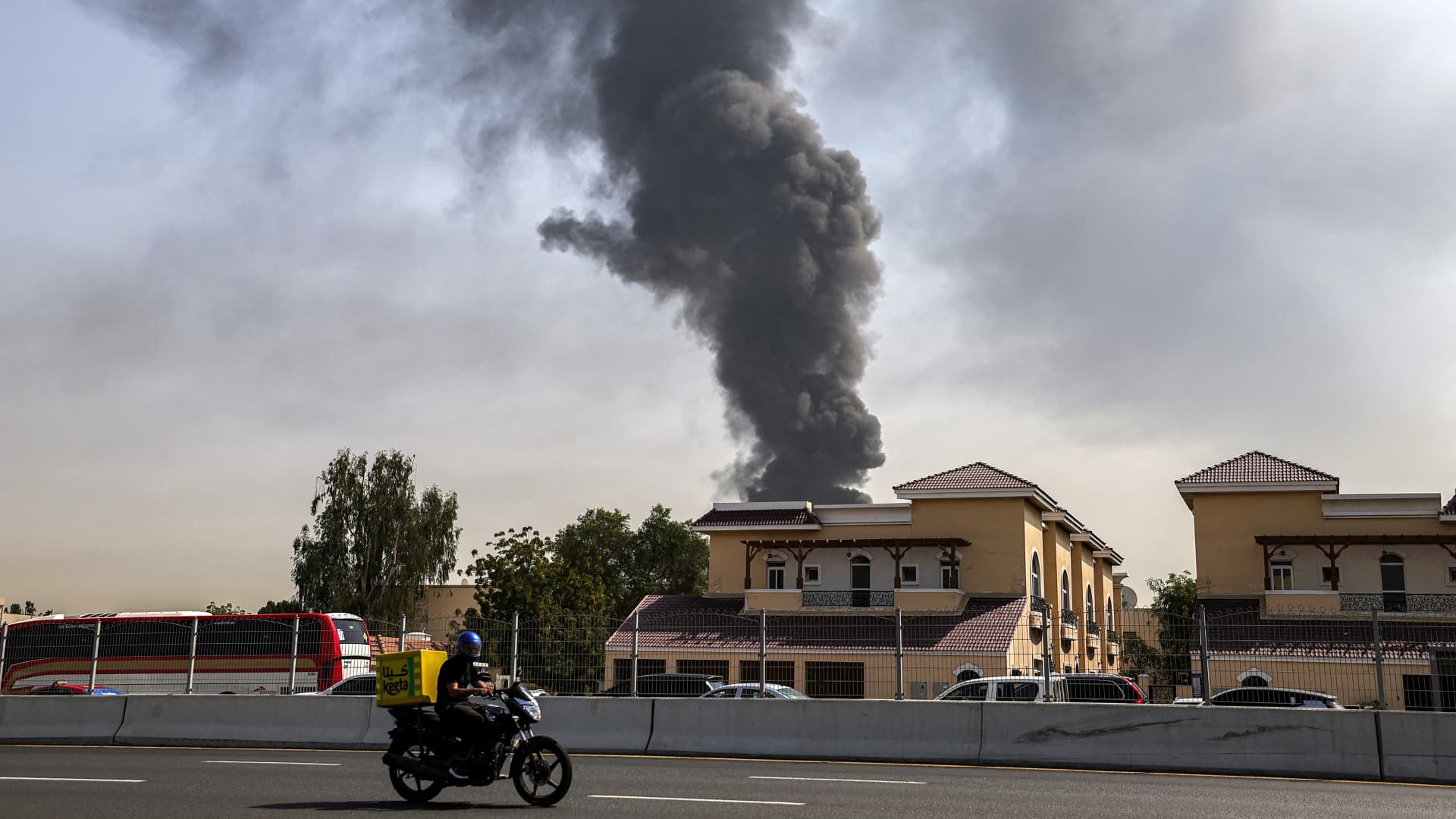

The escalating attacks against United ArabEmirates energy infrastructure represent a profound and systemic challenge to regional economic stability, demanding urgent analysis of their multifaceted financial and technological implications. These incidents, encompassing strikes on critical pipelines, maritime assets, and onshore facilities, underscore an acute vulnerability within the Gulf’s energy supply chain that is already strained by broader geopolitical tensions. The financial burden of reinforcing physical assets—be it through enhanced maritime security, hardened infrastructure, or advanced surveillance systems—will fall significantly upon sovereign wealth funds and central banks, diverting capital from long-term development projects to immediate security imperatives. This reallocation risks exacerbating fiscal pressures and constraining liquidity for other strategic investments, including vital technological infrastructure upgrades essential for regional competitiveness.
Concurrently, the volatility induced by these disruptions creates an environment where venture capital flows exhibit heightened caution, particularly within the energy sector. While resilience-focused technologies—such as autonomous monitoring systems, hardened underwater cables, and AI-driven risk prediction platforms—stand to gain interest as defensive investments, the pervasive uncertainty is likely to stifle broader exploration and innovation capital. The persistent threat to maritime chokepoints and onshore facilities signals to investors a landscape fraught with operational risk, potentially delaying or downsizing ambitious projects involving new production capacities, renewable integration, and digital transformation initiatives. This contraction in risk-tolerant investment could retard the region’s transition towards a diversified, technology-driven economy.
The cumulative impact on regional infrastructure is equally profound. The UAE’s dependence on the Habshan-Fujairah pipeline, a critical artery for crude exports, and the vulnerability of key bunkering hubs like Fujairah, highlight systemic weaknesses in energy logistics. These incidents necessitate accelerated investment in redundant pathways, perhaps through expanded regional pipeline networks or enhanced alternative shipping routes, albeit at substantial cost. Furthermore, the integration of advanced cyber and physical security technologies becomes non-negotiable for safeguarding both existing and future energy assets. This infrastructure arms race, driven by state security imperatives, will reshape regional capital allocation priorities, likely increasing sovereign and sovereign-backed fund allocations towards defense-oriented infrastructure while placing additional strain on public finances and potentially crowding out private sector participation in critical energy transition projects. The immediate economic fallout is tangible; oil prices surged 40% during the conflict, reflecting acute supply fears, and sustained disruption threatens to escalate energy costs across the global economy, amplifying the urgency for robust and resilient MENA energy infrastructure solutions.