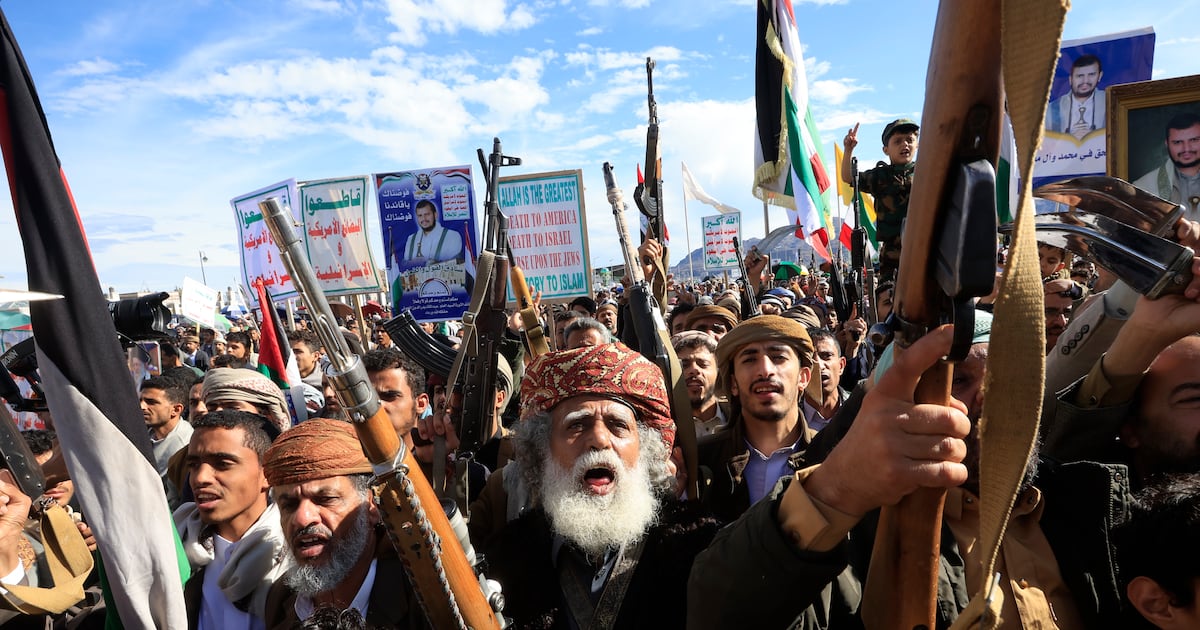

Iran’slooming response to a U.S.-proposed ceasefire deal marks a pivotal moment in the escalating geopolitical standoff, with profound ramifications for the Middle East and North Africa’s (MENA) economic and financial landscape. The 15-point counteroffer from Iran—reported to demand dismantling its nuclear program, halting missile development, and ceding control
The deteriorating security environment is already exacerbating systemic risks for MENA’s sovereign capital markets. Iran’s economic isolation, compounded by U.S.-led sanctions, is likely to deepen as its dual-use logistics infrastructure emerges as a target corridor in the U.S.-Israel-Iran conflict. This dynamic raises the specter of cascading debt distress across Gulf intermediaries reliant on regional security corridors, particularly sovereign entities in transit-dependent economies like Saudi Arabia and the UAE. The risk of capital flight from MENA’s peripheral states—coupled with widening U.S. Treasury market volatility—could destabilize the region’s hedonic financing dynamics in the short to medium term.
Concurrently, the conflict’s toll on venture capital (VC) ecosystems underscores the MENA’s precarious innovation trajectory. Iran’s tech corridor, already constrained by U.S. curbs on access to advanced semiconductors and AI ecosystems, faces accelerated attrition as diaspora networks fracture. Across the Gulf, institutional investors are repositioning capital toward ‘resilience infrastructure’ ventures amid pandemic-era growth normalization, leaving early-stage startups in energy transition sectors—particularly those pivoting toward hydrogen or battery storage—caught in crossfire. The polarization of MENA’s digitalization drivers, with states like Jordan and Tunisia increasingly marginal, highlights the urgent need for reform-oriented funding frameworks insulated from geopolitical overhangs.
Critical chokepoints like the Strait of Hormuz—central to 20% of global oil trade—have become linchpins of systemic risk, their security directly tied to sovereign liquidity resilience. While short-term shipping insurance costs are spiking 250-300% amid Baltic carrier rationing, reconstruction opportunities tied to infrastructure decarbonization could emerge post-escalation. However, the urgency of immediate stabilization efforts suggests most sovereign entities will prioritize liquidity buffers over long-term bets, potentially delaying capital infusions into next-gen port automation or LNG hub projects. The divergence between geopolitical risk mitigation imperatives and sustainable development mandates is likely to deepen MENA’s fragmentation as a single regional capital market.