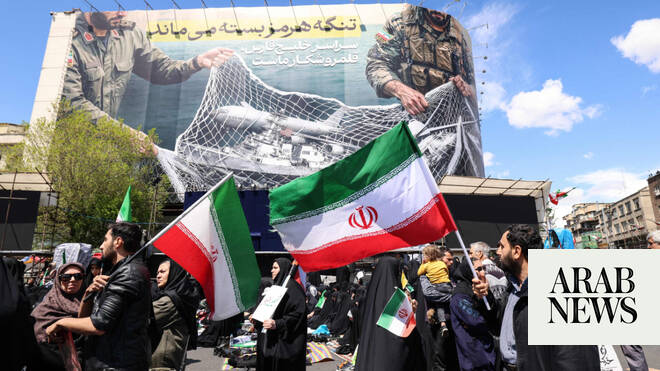

The temporary reopening of the Strait of Hormuz, facilitated by a US-Iranian truce and Iran’s announcement of alternative shipping lanes, represents a critical juncture with profound regional economic reverberations. While offering short-term relief to global energy markets—underpinned by the strait’s transport of 20% of internationally traded oil—the underlying instability necessitates accelerated strategic diversification by MENA governments and sovereign wealth entities. This geopolitical recalibration is driving significant sovereign capital deployment towards defensive infrastructure, including port expansions in the UAE and Oman, and reinforced maritime security operations in the Red Sea and Gulf of Aden, aiming to mitigate disruptions and secure long-term supply chain resilience for the region’s hydrocarbon and non-hydrocarbon exports.
The persistent threat to Hormuz catalyzes a discernible shift in regional venture capital flows, moving beyond traditional sectors towards logistics technology, security integration platforms, and alternative route optimization. Early-stage investors, backed by sovereign funds and corporate venture arms from Saudi Arabia, the UAE, and Qatar, are increasingly targeting solutions that enhance supply chain visibility and redundancy, including investments in regional rail networks and intermodal corridors bypassing the strait. This capital surge underscores a strategic pivot: MENA’s sovereign wealth and venture ecosystems are pivoting from passive hydrocarbon revenue accumulation to active development of infrastructure and technologies designed to insulate the regional economy from external shocks and geopolitical friction points inherent in its strategic geography.
Ultimately, the focus on Hormuz alternatives transcends immediate shipping logistics, signaling a fundamental restructuring of regional infrastructure priorities. Governments are advancing ambitious projects like the GCC Rail expansion and the North-South International Transport Corridor, aiming to reduce maritime dependency. Simultaneously, sovereign capital is being strategically allocated towards port automation, smart logistics hubs, and enhanced cybersecurity for critical trade nodes. This comprehensive investment in diversification not only safeguards MENA’s economic core but positions the region as a critical node in evolving global supply chains, leveraging sovereign resources and venture capital to build a more resilient and forward-looking economic architecture capable of navigating persistent geopolitical complexities.