The intensifying US-Iran conflict is now exerting profound pressure on the economic and financial architecture of the Middle East and North Africa, with immediate disruptions to energy flows and maritime trade threatening regional growth projections. The sustained threats to the Strait of Hormuz—a conduit for nearly a third of global seaborne oil—have triggered emergency measures from NATO and the U.S. administration, including the Jones Act waiver, to avert supply chain fractures. Energy infrastructure, from Qatar’s LNG exports to Iran’s South Pars gas field, faces direct kinetic risks, forcing force majeure declarations and exacerbating price volatility in global commodities markets. This environment is compelling institutional investors to recalibrate risk models for MENA exposure, with immediate implications for sovereign credit ratings and foreign direct investment inflows.
Sovereign capital allocations across the Gulf are being strategically reevaluated as defense imperatives surge. Sovereign wealth funds, including those of the UAE and Saudi Arabia, which collectively manage over $3 trillion in assets, are likely to shift toward defensive holdings and away from long-gestation infrastructure projects, at least in the short term. National budgets are being strained by the dual demands of heightened military expenditure and the need to sustain public investment in diversification agendas such as Saudi Vision 2030. This reallocation may delay or downsize flagship projects in tourism, technology, and renewable energy, while accelerating spending on domestic air defense and cyber resilience—a pivot that could reshape the region’s capital deployment for years to come.
The venture capital and startup ecosystem, a critical engine for economic diversification in MENA, now operates under a cloud of heightened geopolitical risk. Funding cycles are expected to lengthen as limited partners seek liquidity and reduced exposure to volatile markets, particularly for logistics and consumer-facing startups reliant on stable trade routes. Conversely, sectors such as cybersecurity, defense technology, and alternative energy solutions may attract speculative capital, given the urgent regional demand for localized resilience. However, the inflationary pressure from disrupted supply chains and potential insurance premium spikes threatens to erode the operational viability of early-stage firms, potentially dampening the region’s burgeoning tech entrepreneurship unless mitigated by targeted sovereign co-investment.
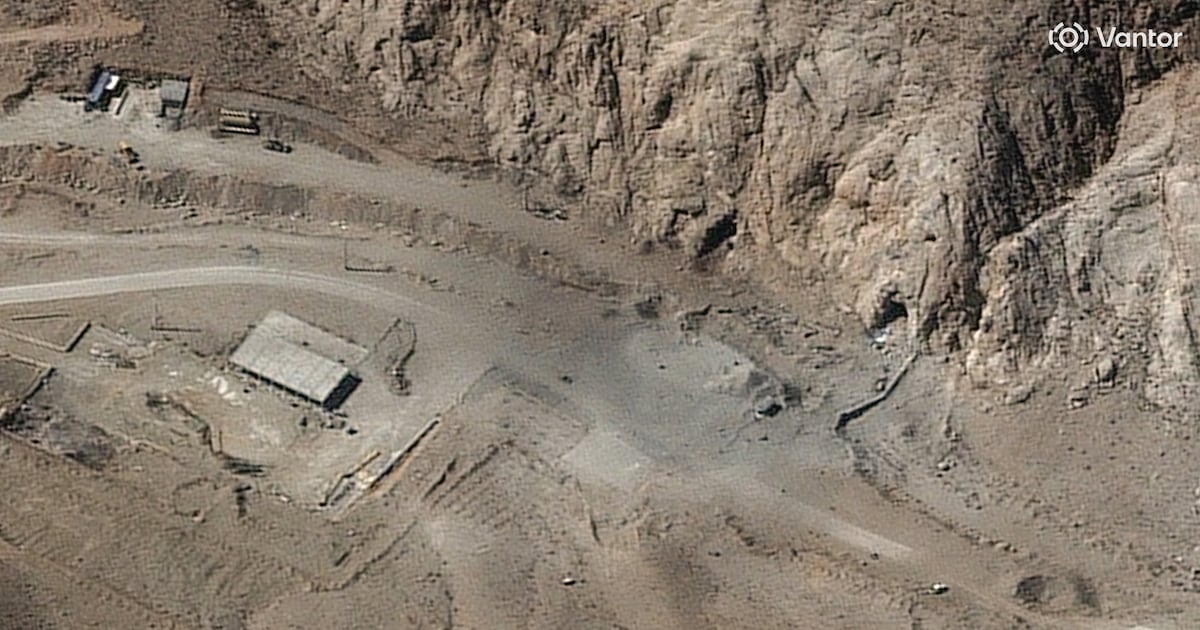
Infrastructure vulnerability has become a central strategic concern, with attacks on energy and air defense systems underscoring the need for redundant and diversified systems. Regional governments will likely fast-track investments in LNG terminal capacity, renewable energy grids, and overland transport corridors to reduce dependence on contested maritime chokepoints. The involvement of external powers like Russia and China in diplomatic channels further complicates the security landscape, suggesting that long-term stability may depend on a multipolar security framework. Ultimately, this crisis may accelerate the pre-existing trend toward economic self-sufficiency, but it demands a concerted, regionally coordinated mobilization of sovereign capital and public-private partnerships to build a more resilient infrastructure backbone—a transition that will define MENA’s competitive edge in a post-crisis global order.