
The escalating conflictbetween Israel, the United States, Iran, and regional actors presents profound and immediate risks to the economic stability and investment climate of the Middle East and North Africa (MENA). The disruption to key supply chains, particularly those reliant on the critical Strait of Hormuz, is already exerting upward pressure on global energy prices. This volatility directly impacts sovereign wealth funds (SWFs) and sovereign capital reserves across the region, forcing difficult decisions between maintaining strategic buffers and funding critical domestic priorities. The perception of heightened regional instability is likely to trigger capital reallocation, potentially diverting significant investment flows away from traditional MENA markets towards perceived safer havens, further constraining the sovereign capital available for much-needed infrastructure and economic diversification initiatives.
The impact on venture capital (VC) ecosystems is particularly acute. MENA’s burgeoning tech sectors, heavily reliant on foreign VC investment to drive innovation and entrepreneurship, face unprecedented headwinds. The uncertainty generated by cross-border hostilities and potential retaliatory actions creates significant hurdles for both existing portfolio companies and new fund formations. Increased security costs, potential asset freezes, and the general risk aversion of international investors are likely to delay or curtail critical follow-on funding rounds and new venture commitments. This stagnation threatens to undermine the region’s ambitious plans to position itself as a global hub for technological advancement and digital transformation, potentially reversing years of progress in attracting private capital.
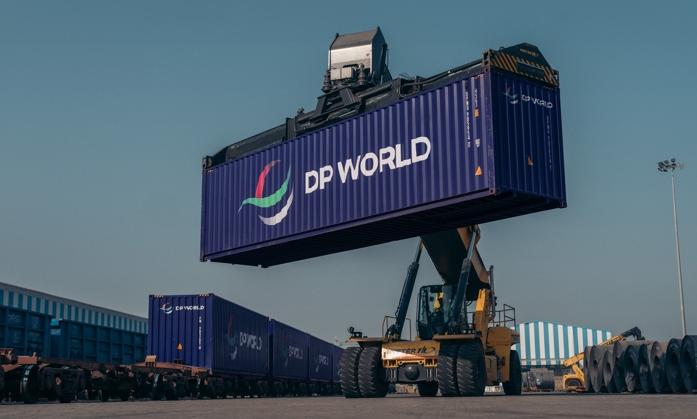
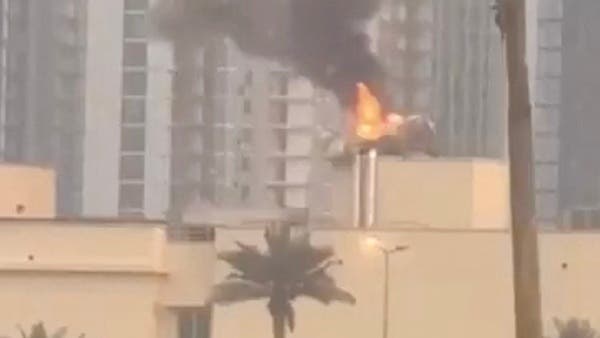
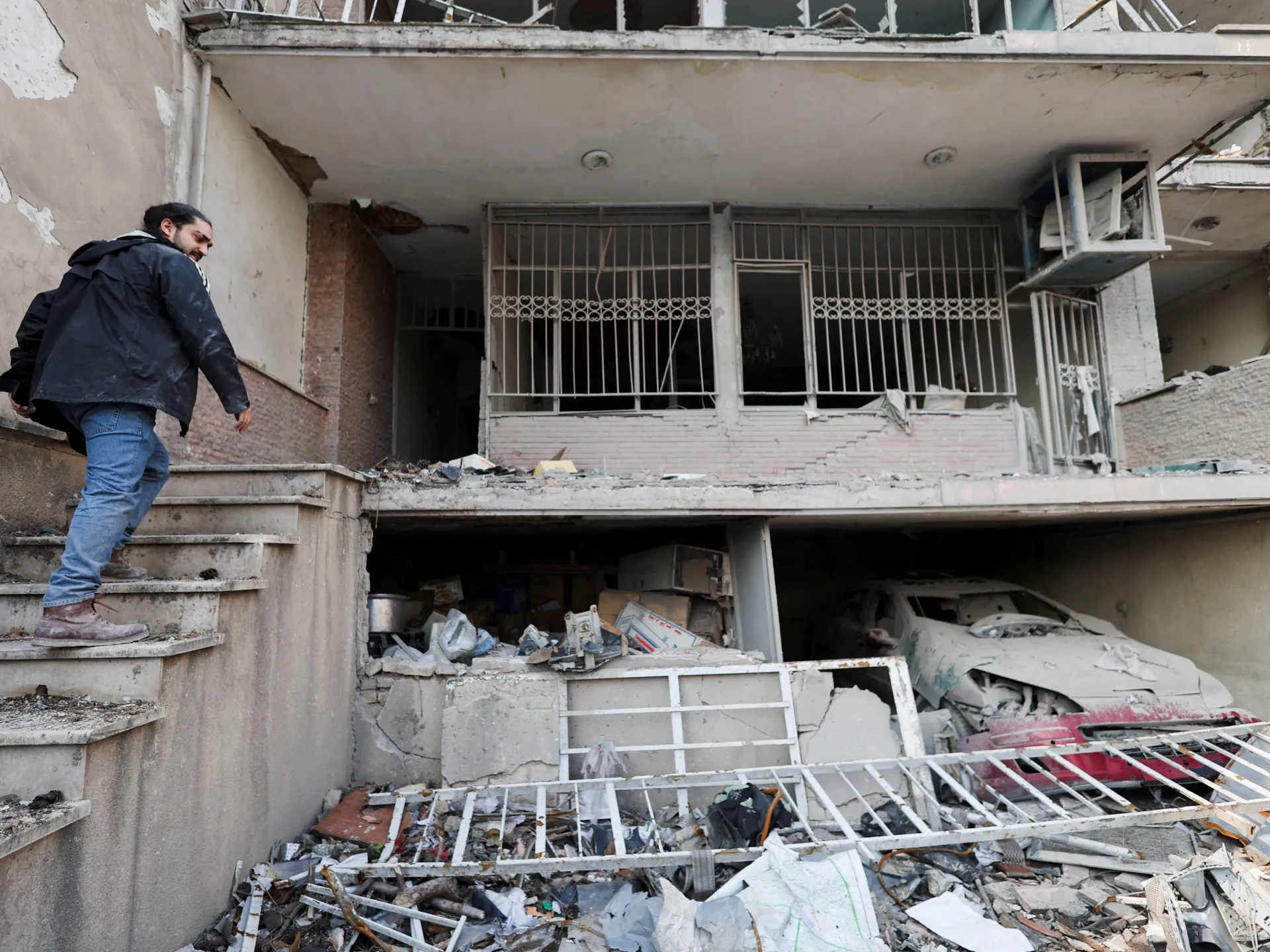
The conflict simultaneously exposes and exacerbates critical vulnerabilities within regional infrastructure. Energy infrastructure, already strained by conflict-induced damage and sabotage threats, faces renewed pressure. The disruption of oil and gas transportation routes, coupled with potential attacks on key energy facilities, risks prolonged supply shortfalls and significant cost escalations. Telecommunications networks, vital for both commercial operations and basic connectivity, are susceptible to targeting, potentially isolating regions and crippling digital economies. Transport corridors, fundamental for regional trade and intra-MENA mobility, face heightened security risks, disrupting logistics and supply chains essential for economic activity. The resilience of these critical assets is paramount, yet the current trajectory raises serious questions about the capacity of governments and private operators to maintain and modernize infrastructure under sustained duress.
Consequently, the MENA region faces a complex interplay of sovereign capital flight, constrained VC flows, and deteriorating infrastructure resilience. Governments are likely to prioritize immediate security expenditures over long-term development projects, further straining public finances. This environment creates a vicious cycle: reduced infrastructure investment hampers economic growth, limiting future revenue streams needed to service sovereign debt and fund SWFs, while the shrinking VC pool stifles innovation crucial for future prosperity. Navigating these intertwined challenges requires unprecedented coordination between governments, financial institutions, and the private sector to mitigate capital outflows, sustain critical infrastructure, and preserve the foundational capital necessary for the region’s economic future. The current trajectory risks leaving lasting scars on the MENA economic landscape for years to come.