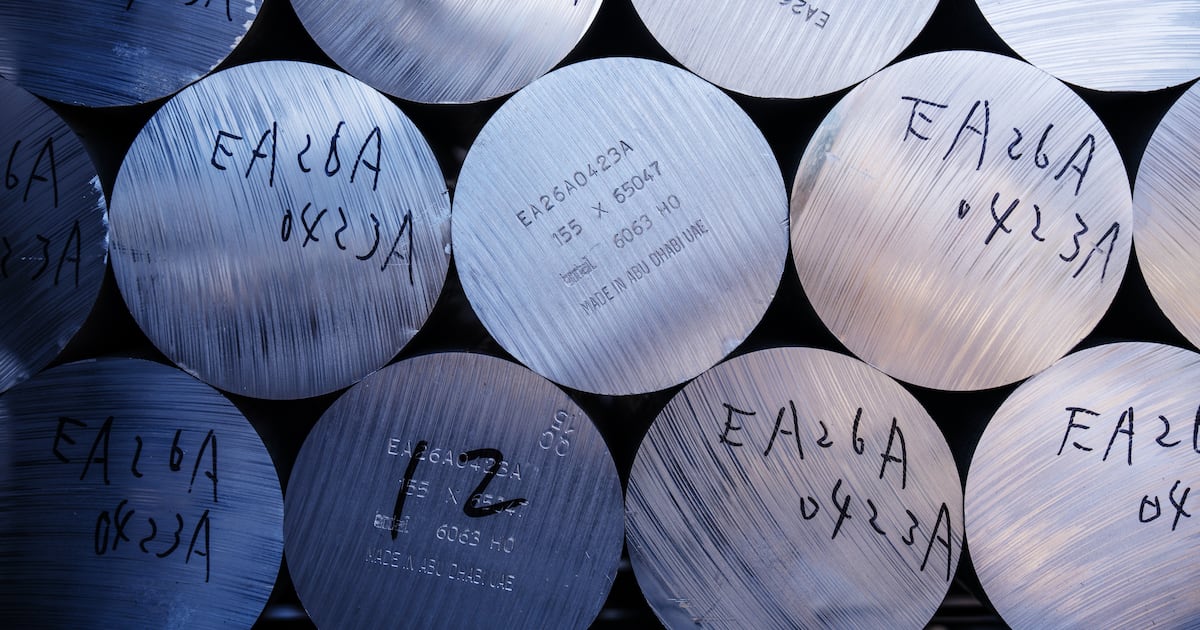

Therecent Iranian strikes on Emirates Global Aluminium’s Al Taweelah complex and Aluminium Bahrain’s facilities have inflicted material damage on key smelting assets, jeopardising output that accounts for roughly 9 % of global aluminium supply. The resulting supply shock is expected to keep prices well above pre‑conflict levels, with immediate market reactions pushing spot aluminium past $3,400 per tonne and analysts forecasting a possible breach of $3,800 in the near term.
From a sovereign capital perspective, Gulf‑based sovereign wealth funds are likely to accelerate allocations toward aluminium‑related assets and related infrastructure to safeguard strategic reserves, while venture‑backed green‑smelting technologies may attract heightened financing as investors seek to diversify production away from politically exposed sites. This re‑allocation reflects a broader shift in risk‑adjusted return calculations, where supply‑chain resilience now outweighs traditional cost considerations, prompting both public and private investors to embed security‑related clauses in their portfolios.
Infrastructure planning across the Middle East and North Africa is poised for a decisive pivot: governments are expected to channel sovereign funding into redundant smelting capacity, expanded port logistics, and alternative export corridors that bypass the Strait of Hormuz. Such investments aim to mitigate future disruptions, lock in export volumes, and support downstream industries—including construction, automotive, and aerospace—that depend on stable aluminium supplies, thereby reshaping regional industrial policy.
Consequently, aluminium price trajectories will remain upward‑biased as long as disruption risks persist, exerting sustained pressure on global premium rates and forcing downstream manufacturers to renegotiate contracts and potential rationing of billets and foundry alloys. The convergence of sovereign capital reorientation, venture‑driven technological adoption, and heightened infrastructure spending underscores a transformative phase for the MENA aluminium ecosystem, with far‑reaching implications for global metal markets.