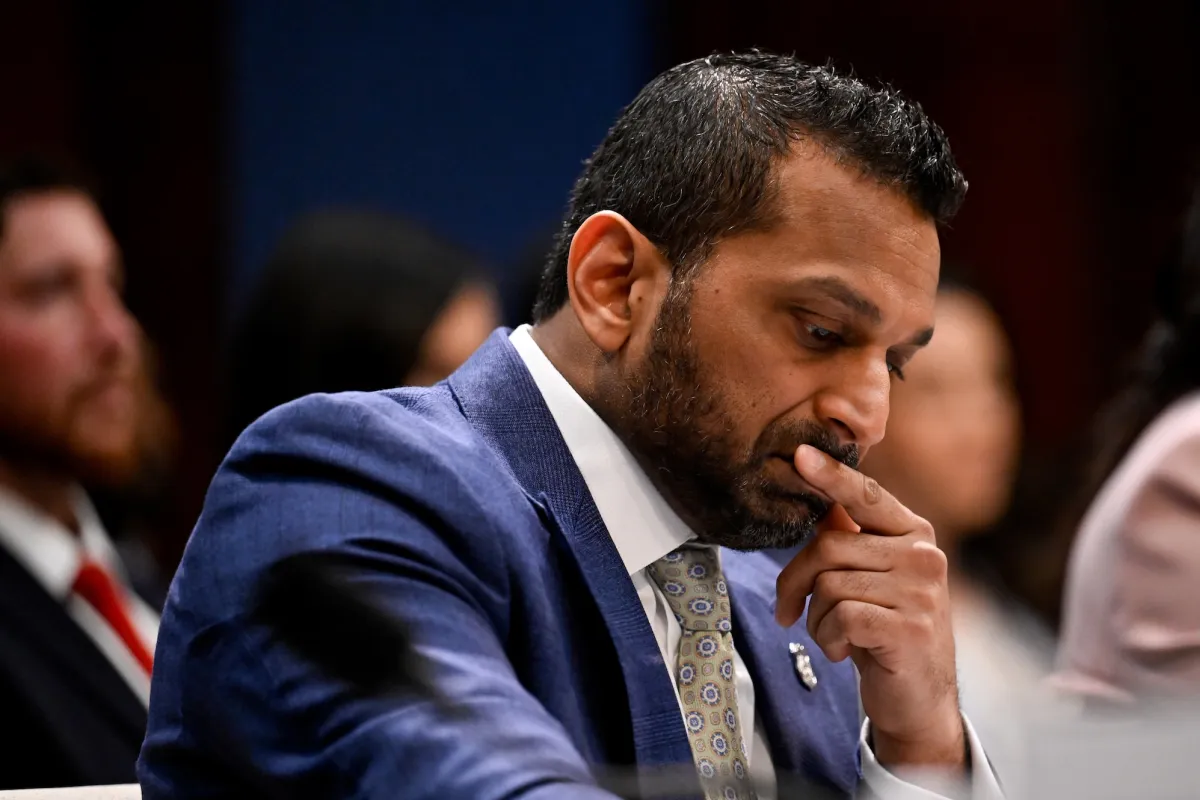

In the evolving security landscape of the MENA region, the recent disclosure by the Iranian-backed hacking collective Handala illustrates the profound operational reach and financial leverage these actors wield. The exposure of FBI Director Kash Patel’s personal email account, verified through forensic analysis of message headers, underscores a recurring pattern in which state-sponsored actors exploit digital vulnerabilities to compromise critical institutional infrastructure. This incident is not isolated but emblematic of an escalating threat to governmental trust, data integrity, and the broader financial ecosystems that sustain the region.
The evidentiary trail pointing to Handala’s involvement is robust, anchored in verifiable technical signatures and metadata that confirm authenticity. These findings reinforce the growing convergence between cybercrime and intelligence operations, as actors leverage social engineering to pierce even the most robust defense mechanisms. For sovereign capital managers and regional investors, the implications are stark: trust erosion in digital networks translates directly into heightened risk exposure across fintech ventures, sovereign wealth schemes, and infrastructure financing. Sovereign capital, which has long relied on secure digital channels for disbursement and monitoring, must now recalibrate its asset allocation strategies to account for the heightened threat surface.
Venture capital firms operating within the MENA corridor must also recalibrate their investment theses, as the digital scars of recent cyber intrusions raise questions about the reliability of emerging technologies. The strategic reuse of historical data—exemplified by Patel’s cached communications—demonstrates how the black market for illicit information can persist across years, complicating due diligence efforts. As sovereign capital and private equity alike navigate these uncertainties, the lesson is clear: resilience must be institutionalized, not merely technological. In this high-stakes environment, the ability to anticipate, mitigate, and respond to actors such as Handala is no longer a peripheral concern but a core determinant of sectoral viability.
Regional infrastructure projects, particularly those involving smart governance or digital transformation, now face an environment where cyber-physical vulnerabilities can cascade into real-world disruptions. The handwaving of governmental assurances cannot substitute for tangible, evidence-based measures to defend against sophisticated cyber intrusions. Analysts and policymakers in the MENA region must elevate the discourse on sovereign cybersecurity to ensure capital flows remain anchored in robust systems and reliable frameworks. Only then can the investment narrative evolve from one of exposure to one of sustainable growth.