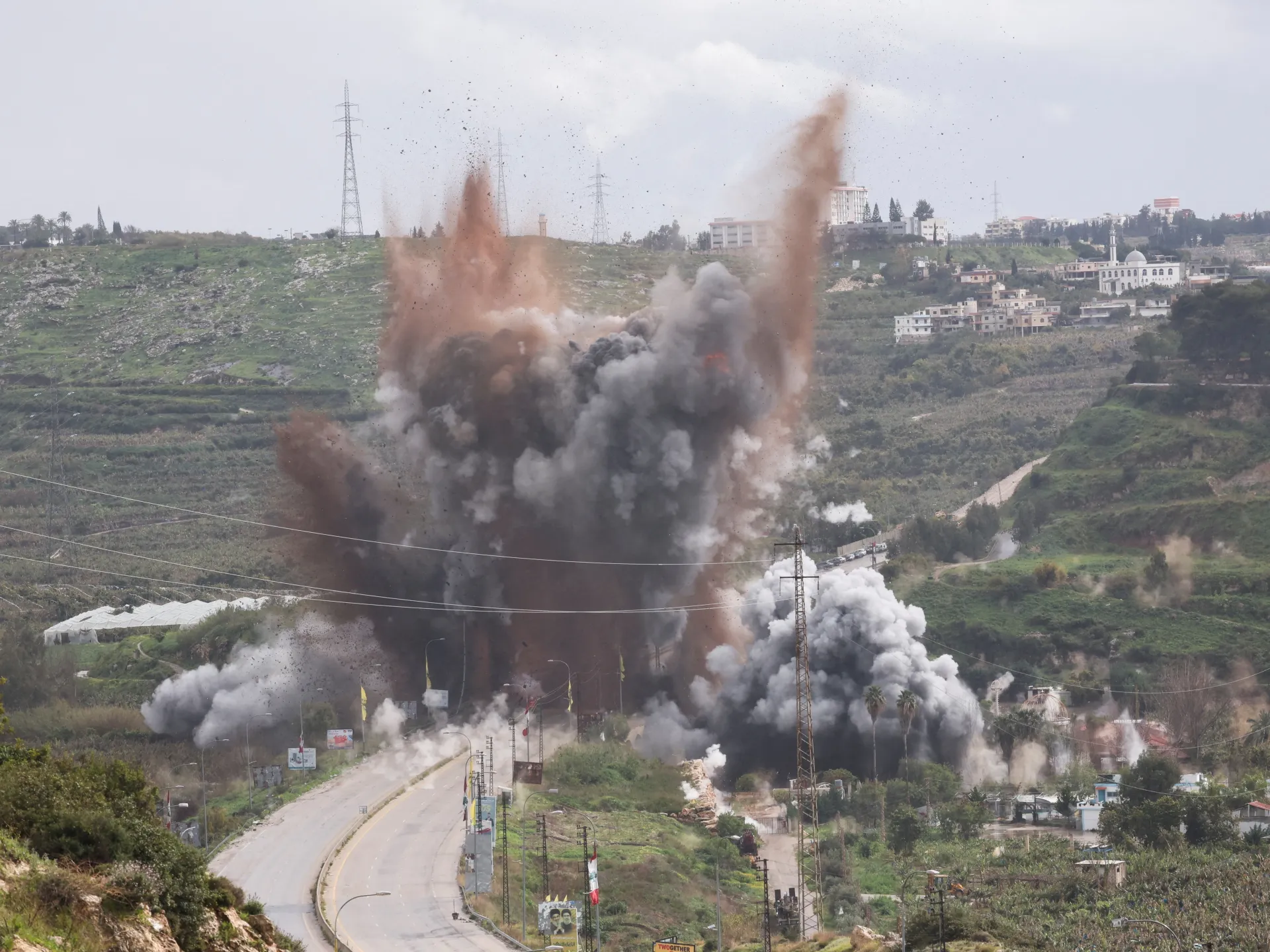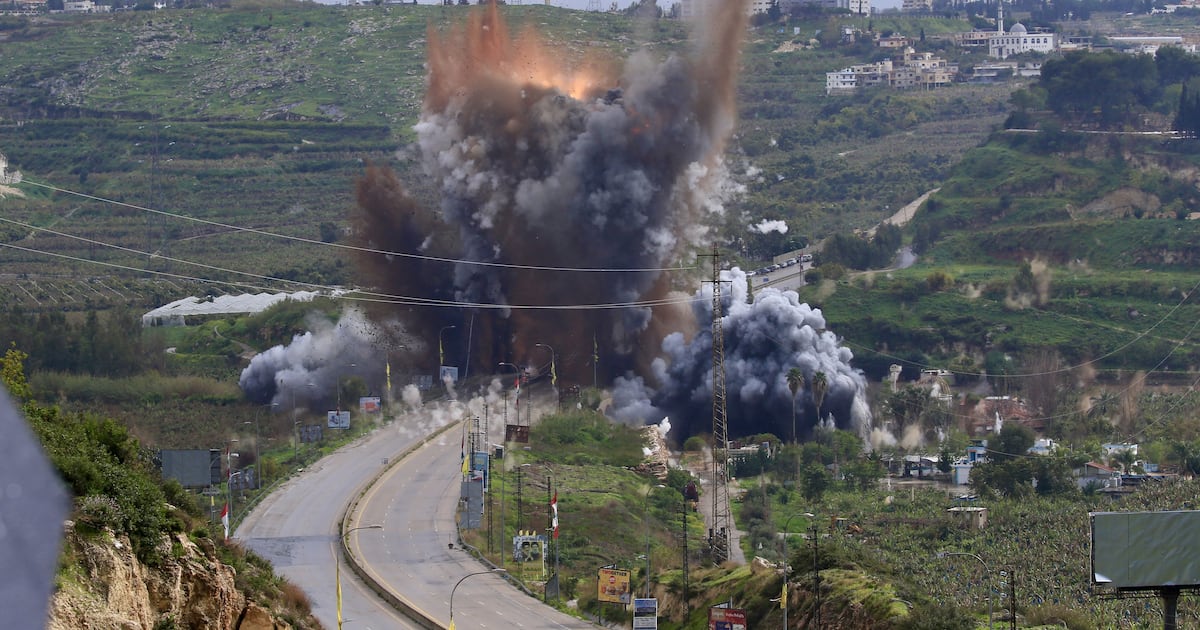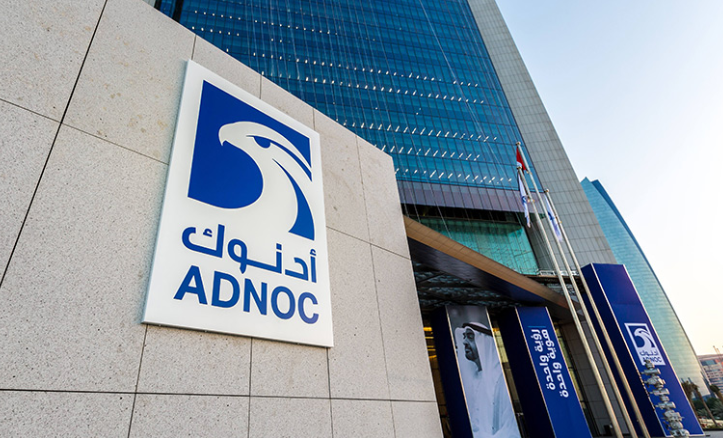

The drone strike on ADNOC’s Ruwais refinery underscores the fragility of energy infrastructure in the Middle East amid escalating geopolitical tensions. The shutdown of a facility processing up to 922,000 barrels per day—critical to the UAE’s downstream output—disrupts not only local refining but also global supply chains reliant on Middle Eastern crude. Such incidents exacerbate cost volatility for crude-dependent industries, heighten concerns about oil price spikes, and strain budgetary buffers for energy importers. The broader regional shutdown of 1.9 million barrels per day across Gulf refineries amplifies these risks, potentially diverting sovereign reserves to stabilize markets or fund emergency logistics, further straining public finances in an era of limited fiscal flexibility.
Sovereign capital markets in the MENA region face acute pressure as oil output disruptions threaten revenue projections. For the UAE and Saudi Arabia, whose fiscal models are inextricably linked to hydrocarbon earnings, even temporary production halts could necessitate delayed budgetary commitments or reallocation of reserves toward energy diversification initiatives. This creates a paradox: while governments advocate for reduced fossil fuel dependency, acute supply shocks may delay or redirect investments in renewables or hydrogen projects. Additionally, regional central banks may face increased pressure to intervene in currency markets or bond issuances to mitigate inflationary pressures from energy price hikes, diverting capital from strategic sectors like infrastructure or venture capital toward short-term stabilization.
Venture capital trends in the MENA region are poised to reflect these macroeconomic volatilities. While the immediate aftermath of such strikes may dampen investor appetite for risky energy-sector startups, opportunities could emerge in satellite technologies, cybersecurity for critical infrastructure, or alternative energy logistics. However, the lack of stable investment environments—compounded by protracted regional conflicts—may redirect VC flows toward safer, state-backed or international joint ventures. This shift could stifle innovation in areas critical to regional resilience, such as smart grid technologies or desalination solutions, as private-sector capital becomes scarcer amid macroeconomic uncertainty.
The infrastructural vulnerabilities exposed by the Ruwais attack highlight a systemic risk for regional energy systems. The reliance on narrow choke points like the Strait of Hormuz, coupled with frequent attacks on refining infrastructure, necessitates urgent investment in redundancy—whether through diversified export routes, modular refining complexes, or enhanced cyber-physical security measures. However, mobilizing such capital amid geopolitical fragmentation and sovereign fiscal constraints will require cohesive regional energy policy frameworks. Without coordinated efforts, the MENA region risks further marginalization in global energy markets, undermining its strategic position in an era dominated by energy transition imperatives and Western-led climate mandates.”