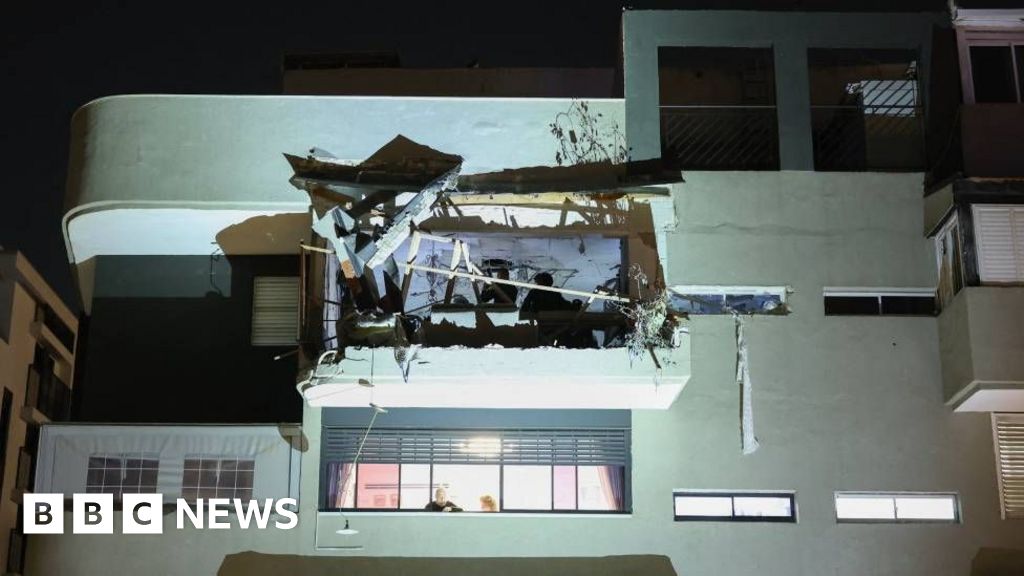

Recent Iranian missile and drone attacks on the UAE, which claimed the lives of six civilians, underscore the escalating military tensions reshaping economic and security dynamics across the Middle East and North Africa (MENA). The tragic death of Muzaffar Ali Ghulam, a Pakistani domestic worker in Dubai, highlights the vulnerability of foreign labor markets to cross-border hostilities, a critical issue given the region’s reliance on migrant workers for economic growth. Such incidents risk undermining investor confidence in MENA’s stability, particularly in sectors like real estate and hospitality, where expatriate communities drive demand. Moreover, the attacks amplify geopolitical risks for sovereign capital, as heightened defense spending diverts fiscal resources from infrastructure and social programs, exacerbating debt vulnerabilities in already strained economies like Lebanon and Yemen.
The sovereign debt landscape in MENA faces dual pressures: direct military expenditures to counter asymmetric threats and indirect costs from de-escalation efforts, such as diplomatic engagements and compensation commitments. For instance, the UAE’s public condemnation of civilian targeting in its attacks on Iranian military assets signals a hardening stance that could provoke retaliatory measures, further destabilizing regional trade corridors. This volatility complicates sovereign borrowing, as credit rating agencies increasingly factor geopolitical risk into assessments. Meanwhile, venture capital (VC) inflows into MENA’s tech and fintech sectors—which have seen record highs in recent years—may wane amid uncertainty, as foreign investors prioritize stability over growth potential. Startups in conflict-affected zones like Yemen or Sudan face near-term irrelevance, while Gulf monarchies may redirect VC toward defense tech and cybersecurity, aligning with sovereign security priorities.
Regional infrastructure, particularly air defense systems, emerges as a linchpin for economic resilience. The UAE’s successful interception of 15 drones, 9 ballistic missiles, and 1,600 drones since February 2024—documented in its public air defense statistics—reflects a strategic shift toward militarized infrastructure as a public service. However, this trend risks creating a “security glut,” where overinvestment in defense diverts capital from civil infrastructure projects like renewable energy grids or urban mobility systems. Conversely, the attacks could catalyze cross-border infrastructure collaborations; for example, Gulf Cooperation Council (GCC) nations pooling resources for missile defense networks or resilient logistics hubs to mitigate trade disruptions. Such initiatives, while pragmatically sound, hinge on political cohesion, a fragile asset in an era of Iran-Saudi proxy rivalries.
Ultimately, the collision of humanitarian crisis and geopolitical brinkmanship in MENA poses an existential challenge to long-term economic planning. Sovereign states must balance immediate defense needs with investments in productive capacity, while regional financial institutions grapple with capital allocation amid uncertainty. The tragic loss of lives like Mr. Ghulam’s serves as a grim reminder: when conflicts escalate beyond borders, they erode not just security but the very foundations of economic integration and prosperity. For MENA to navigate this volatile epoch, policymakers must reconcile the imperative of sovereign security with the relentless demands of a capital-starved economy yearning for sustainable growth.