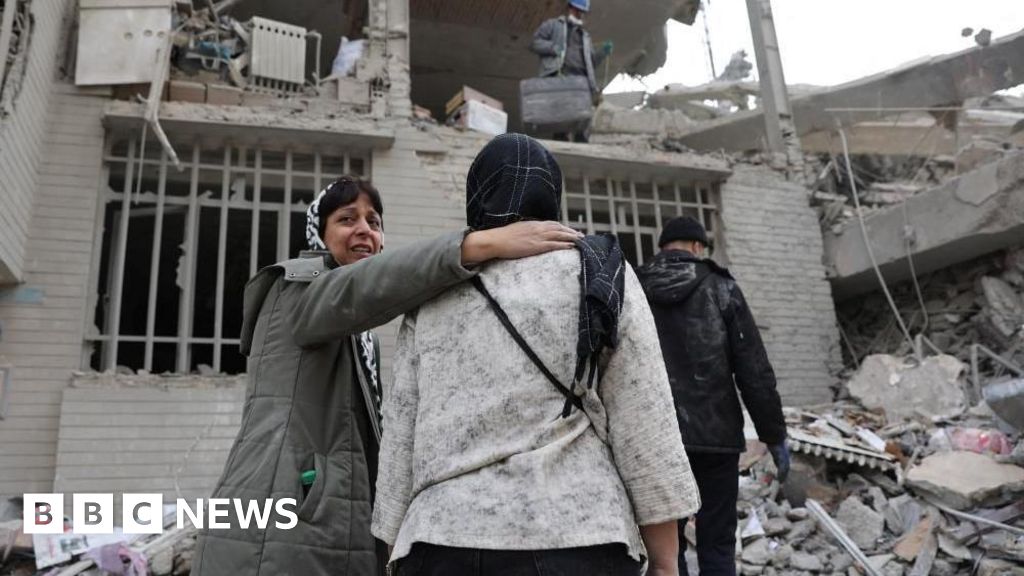

Recent events in Iran, specifically the brutal suppression of widespread protests following the death of Mahsa Amini, are generating significant, and largely unacknowledged, ripple effects across the Middle East and North Africa’s financial and technological landscapes. While international media access remains severely limited, indications from dissident voices – facilitated through clandestine channels – suggest a notable shift in sentiment within segments of Iranian society regarding potential external intervention. This evolving perspective, fueled by the government’s disproportionate response to dissent and the subsequent loss of life, introduces a complex layer of geopolitical risk that demands careful consideration by regional investors and policymakers. The immediate impact is a heightened sense of uncertainty regarding the stability of the Iranian economy, already grappling with sanctions and internal pressures.
The potential for military action, however remote, is triggering a strategic recalibration within sovereign wealth funds and regional investment firms. Traditionally, direct engagement with Iranian assets has been largely avoided due to sanctions and political considerations. However, the prospect of escalating instability is prompting a reassessment of risk-reward profiles. We are observing increased activity in exploring alternative investment vehicles – particularly those focused on adjacent economies like Saudi Arabia, the UAE, and Egypt – as a precautionary measure. Simultaneously, sovereign capital is demonstrating a renewed interest in bolstering regional infrastructure projects, specifically those related to energy security and digital connectivity, viewed as critical for mitigating potential supply chain disruptions and fostering economic resilience. This shift underscores a broader trend of diversification away from concentrated exposure to a single, volatile market.
Venture capital activity within the MENA region is also subtly adapting. While direct investment in Iran remains virtually impossible, there’s a noticeable uptick in interest in Iranian diaspora-led startups and technologies operating outside the country. These ventures, often focused on fintech, e-commerce, and cybersecurity – sectors particularly vulnerable to government control – represent a valuable source of innovation and a potential pathway for future economic growth. Furthermore, regional accelerators and incubators are actively seeking to onboard these entrepreneurs, recognizing the strategic importance of fostering a robust, independent tech ecosystem. This represents a pragmatic response to the broader geopolitical environment, prioritizing innovation and resilience over direct engagement with sanctioned entities.
Ultimately, the unfolding situation in Iran presents a critical test for the stability and diversification of the MENA region’s financial architecture. The long-term implications will depend heavily on the trajectory of the protests, the government’s response, and the broader international reaction. However, the current dynamics are accelerating existing trends – a move towards greater regional economic integration, a prioritization of infrastructure development, and a strategic re-evaluation of investment portfolios – all driven by a fundamental recognition of the interconnectedness of the Middle East and North Africa’s economic future.