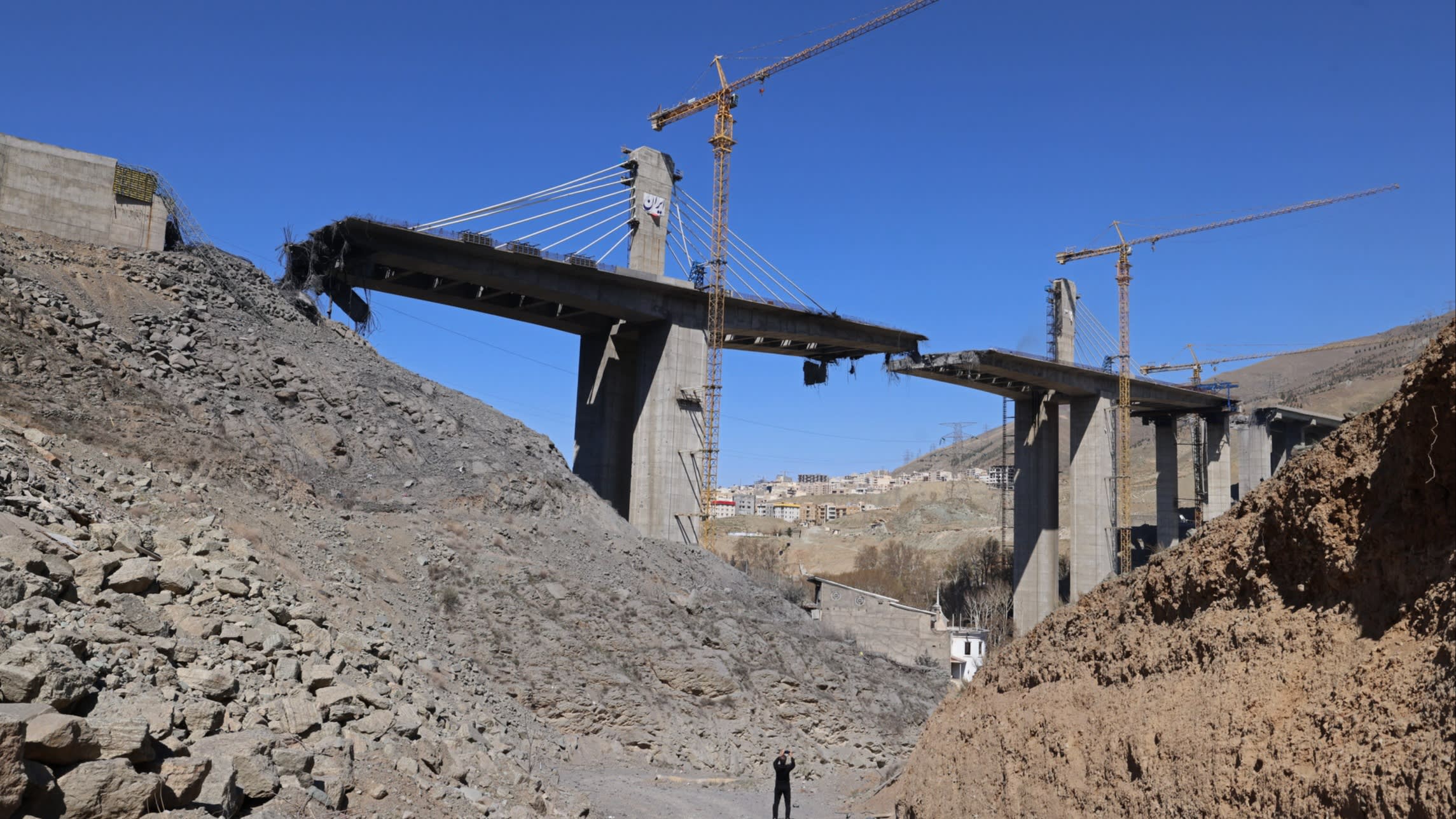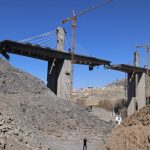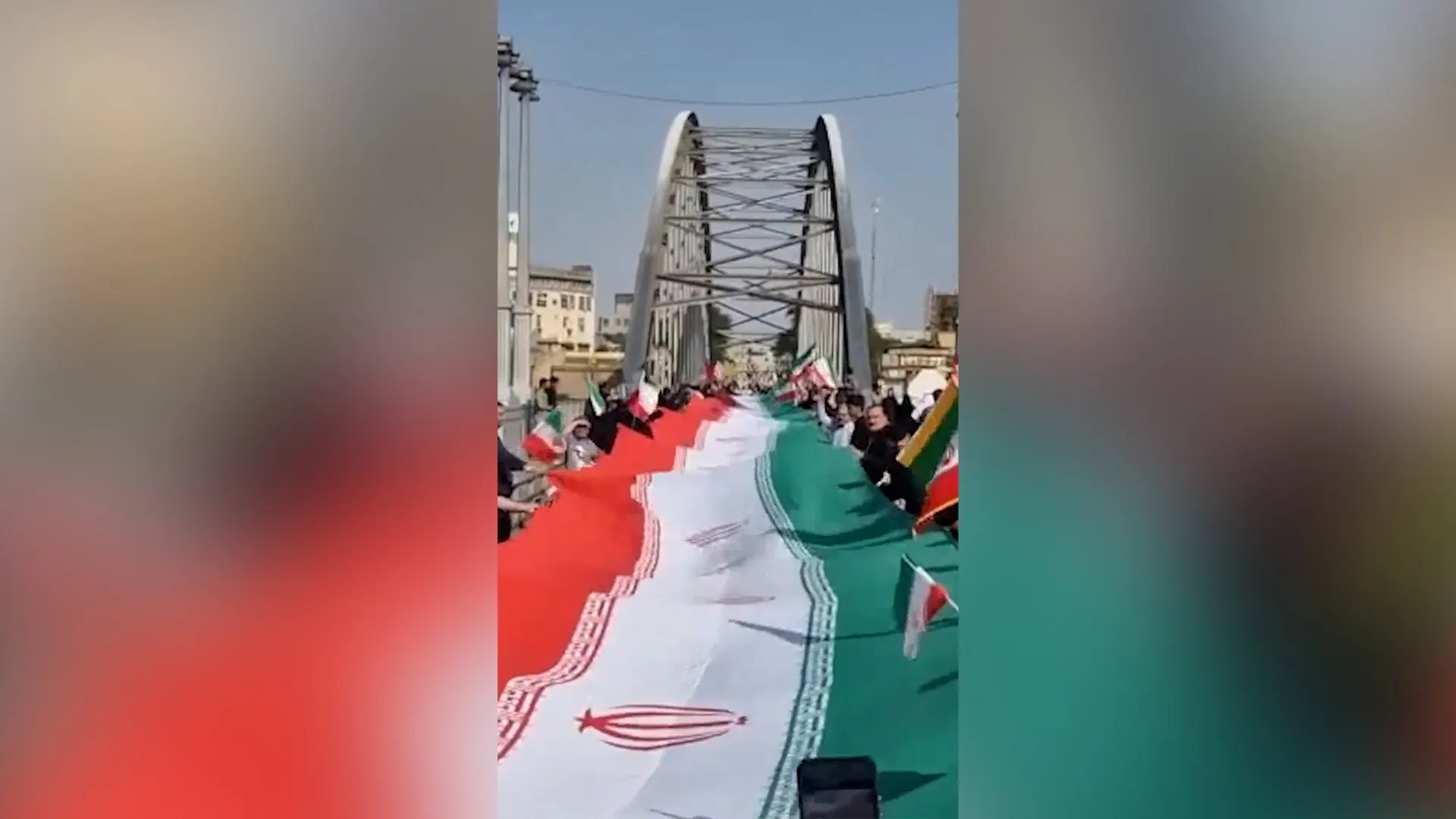

The Iranian government’s response to US threats targeting civilian infrastructure underscores the significant geopolitical and economic ramifications of escalating tensions in the Middle East. The recent human chains across Iranian bridges and power plants, a symbolic act of defiance, reflect a broader strategic calculation by Tehran to project resilience and deter further aggressive actions. This localized demonstration of national unity has compelling implications for sovereign capital deployment within the country, potentially channeling funds towards bolstering domestic resilience and reinforcing public confidence in the government’s ability to navigate external pressures. The immediate business impact is likely to include increased caution among foreign direct investors, particularly in sectors perceived as vulnerable to disruption.
Beyond immediate geopolitical signaling, the situation presents a complex landscape for venture capital and private equity investors operating in the region. While the long-term outlook remains contingent on de-escalation, the heightened risk environment necessitates a more discerning approach to investment decisions. Existing investments in infrastructure and technology sectors will require careful monitoring, with potential for value adjustments depending on the evolving security situation and regulatory responses. Sovereign wealth funds, a crucial pillar of many Middle Eastern economies, are likely to maintain a cautious stance, prioritizing investments in stable assets and potentially shifting allocations towards regions perceived as less volatile. This dynamic will influence the flow of capital, impacting the growth trajectory of various industries.
Furthermore, the regional infrastructure implications are substantial. The focus on civilian infrastructure as a potential target highlights the vulnerability of critical networks – energy, communications, and transportation – across the Middle East and North Africa. This underscores the urgent need for regional collaboration in enhancing cybersecurity protocols and developing joint strategies for infrastructure protection. The escalating tensions could also spur increased investment in resilient infrastructure projects, particularly in areas deemed strategically important. This includes renewable energy development, smart grid technologies, and advanced transportation systems, which can foster long-term economic stability and reduce reliance on potentially contested energy sources.
In conclusion, the recent developments in Iran represent a significant inflection point in the Middle East’s geopolitical landscape. While the immediate focus remains on de-escalation, the long-term business impact will be shaped by sustained uncertainty and evolving risk perceptions. Sovereign capital deployment will likely remain cautious, and the venture capital ecosystem will need to adapt to a more volatile environment. Crucially, the heightened attention on civilian infrastructure necessitates a renewed regional commitment to cybersecurity and resilient infrastructure development. The strategic implications extend far beyond national borders, impacting global supply chains and investment flows within the MENA region.