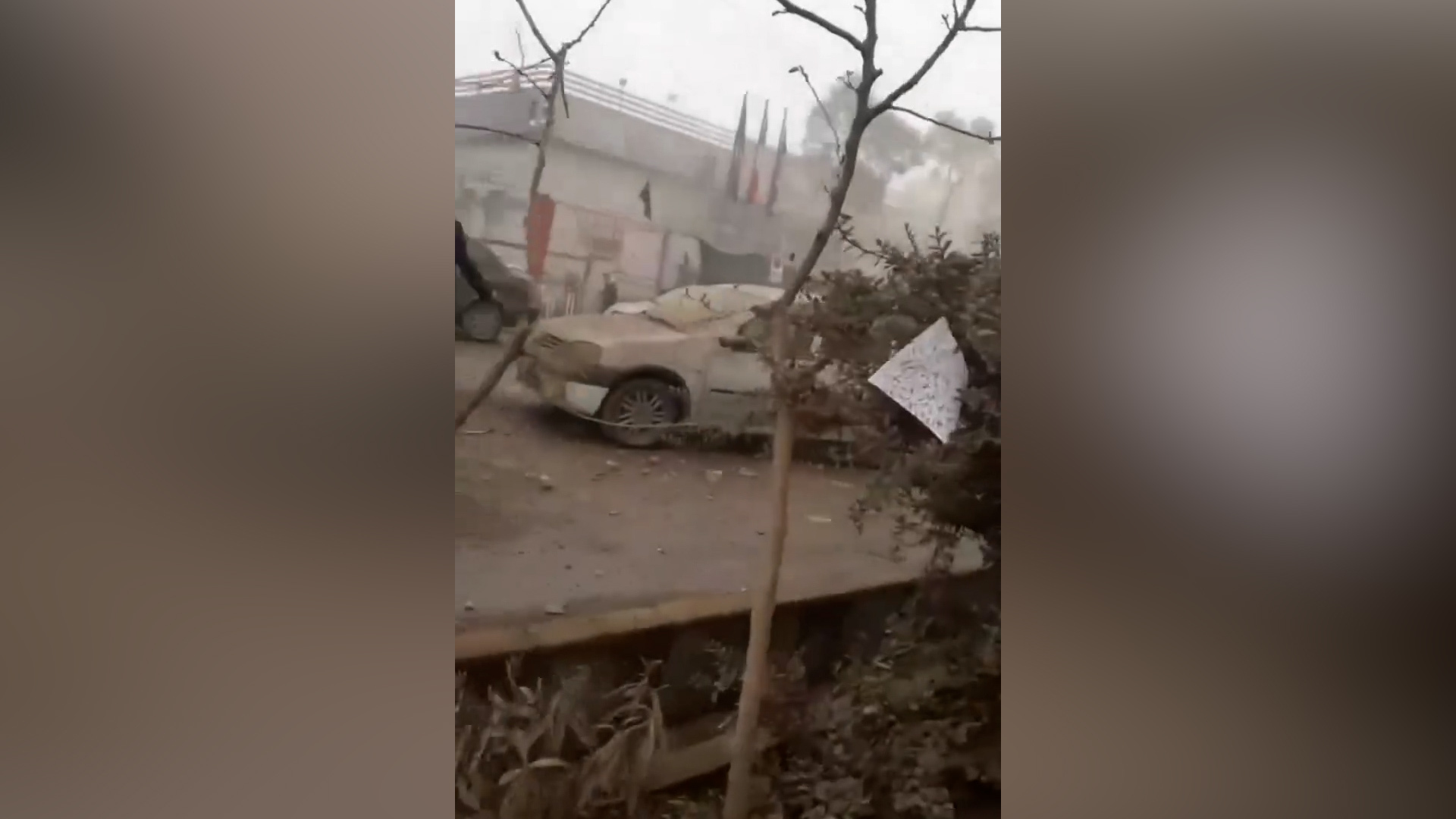

The recent destruction of a residential building in northwestern Iran, reportedly caused by a US-Israeli bombing campaign, has underscored a growing and deeply concerning instability within the broader Middle East. While the precise details remain contested, the incident – captured on a civilian’s phone – highlights the escalating tensions and the potential for miscalculation that threaten regional security. This event, and the broader context of heightened military activity, carries significant implications for the already fragile economic and political landscape of the region, particularly for nations reliant on regional trade and investment.
The immediate business impact is substantial. Sovereign wealth funds, a cornerstone of investment in countries like Saudi Arabia, the UAE, and Qatar, are likely to reassess their risk profiles, potentially leading to a temporary pullback from high-risk ventures and a greater emphasis on defensive investments. Venture capital firms, traditionally active in supporting burgeoning tech sectors across the MENA region – particularly in fintech and renewable energy – may also adopt a more cautious approach, prioritizing established sectors and delaying investments in nascent, potentially volatile areas. Furthermore, the disruption to supply chains, even if localized, could exacerbate existing inflationary pressures and impact consumer confidence, demanding a recalibration of economic forecasts by major financial institutions.
Crucially, this situation is fueling a renewed push for sovereign capital initiatives. Countries seeking to bolster their economic resilience are accelerating plans to establish or expand state-backed investment vehicles. These funds, often leveraging access to international markets and strategic partnerships, are intended to diversify economies away from reliance on hydrocarbons and to provide a buffer against external shocks. Simultaneously, regional infrastructure projects – particularly those related to energy diversification and connectivity – are receiving increased scrutiny and potential prioritization by governments seeking to reduce dependence on external suppliers and bolster domestic capabilities. The need for enhanced regional security infrastructure, including advanced surveillance and defense systems, is also becoming increasingly apparent.
Looking ahead, the long-term implications extend beyond immediate economic concerns. The incident reinforces the urgent need for de-escalation and diplomatic engagement. The MENA region’s stability is inextricably linked to broader geopolitical dynamics, and a continued cycle of military action risks undermining the progress made in fostering economic cooperation and regional integration. Furthermore, the reliance on external actors for security – a dynamic increasingly evident – necessitates a strategic shift towards greater regional self-reliance. Ultimately, the future of the MENA region hinges on a concerted effort to prioritize diplomacy, invest in resilient infrastructure, and foster a more diversified and less vulnerable economic base, all while navigating the complex web of geopolitical competition.