
The deliberate closure of the Strait of Hormuz by Iran represents a systemic threat to global energy markets, with profound ramifications for business continuity and sovereign financial stability across the Middle East and North Africa (MENA). The sudden 92% drop in tanker transits through the strait directly destabilizes a critical node in the global supply chain, where 20 million barrels of crude oil daily—alongside essential petrochemicals and fertilisers—are at risk of disruption. For MENA economies, where hydrocarbon revenues remain a cornerstone of fiscal policy, this exacerbates vulnerabilities. Sovereign capital in the region is increasingly exposed to abrupt price volatility, as evidenced by the 50% oil price surge within weeks of the crisis. Adrian Guven’s assertion that Hormuz cannot be “traded out of” underscores a strategic imperative: MENA nations must recalibrate reserves management, diversify export portfolios, and invest in downstream processing infrastructure to mitigate overreliance on raw hydrocarbon exports. The ripple effects extend to venture capital ecosystems, as energy-intensive startups and industrial projects face financing risks amid cost inflation and disrupted logistics.
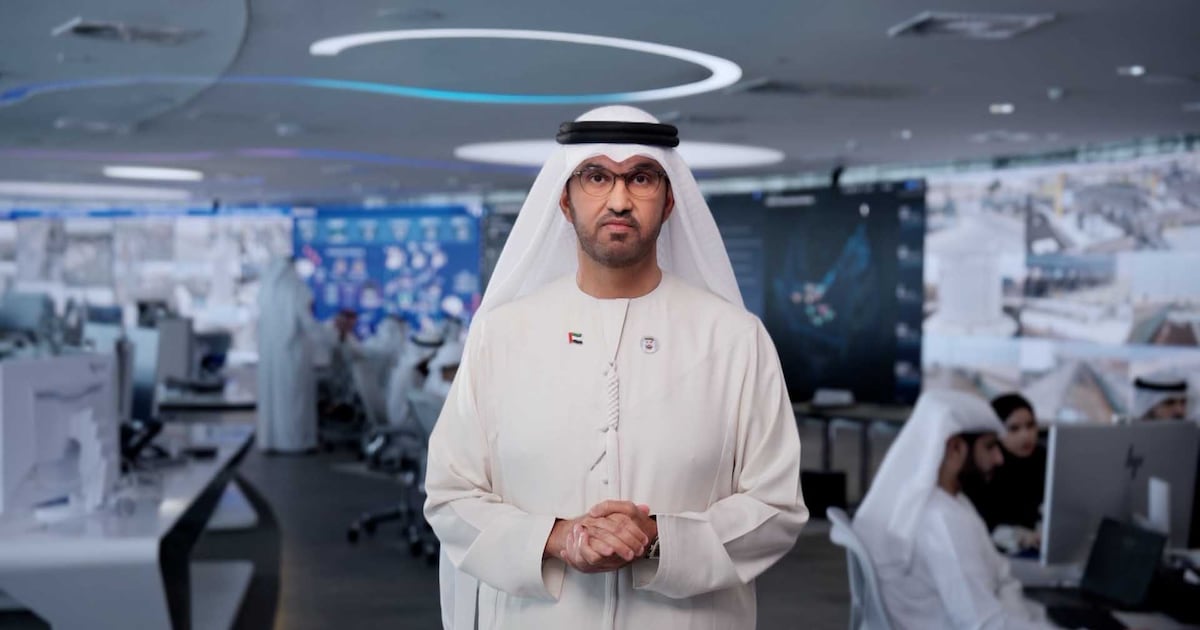
The crisis amplifies strategic decisions around sovereign capital allocation and venture capital flows within the region. Al Jaber’s pivot by Adnoc toward $85 billion in US energy assets reflects a broader MENA sovereign trend toward diversifying capital reserves away from energy-linked assets toward stable, infrastructure-rich markets. This shift signals to venture capitalists that traditional energy-focused investments in MENA may face prolonged headwinds, while opportunities emerge in alternative energy sectors or regional infrastructure modernization. However, the region’s venture capital community must confront a dual challenge: balancing immediate economic pressures with long-term bets on decarbonization and digitalization. The Hormuz blockade, framed as “economic terrorism,” also intensifies scrutiny on sovereign risk metrics, compelling governments to reassess geopolitical exposure in their investment portfolios. For startups in sectors like smart grids or renewable energy, this could represent both a barrier and a catalyst, depending on regional policy responses to energy security imperatives.
Regionally, the Hormuz crisis exposes critical infrastructure gaps that demand immediate attention. The reliance on a single maritime chokehold for global energy transport highlights the fragility of MENA’s strategic infrastructure dependencies. For countries reliant on oil revenue, this event may accelerate investments in alternative energy infrastructure—both to reduce import dependency and to position themselves in the global green economy. Regional initiatives like the UAE’s Masdar collaborations or Saudi Arabia’s NEOM could gain urgency as states seek to develop resilient supply chains and renewable energy ecosystems. Furthermore, the event may spur greater regional cooperation on maritime security and infrastructure redundancy, akin to the Persian Gulf countries’ historical coordination on oil transit. Failure to address these vulnerabilities risks entrenching economic fragility, as businesses and governments alike grapple with the costs of asset protection and supply chain reconfiguration. The long-term lesson is clear: regional infrastructure strategy must evolve to decouple critical operations from geopolitical chokepoints, integrating both physical and digital resilience into macroeconomic planning.