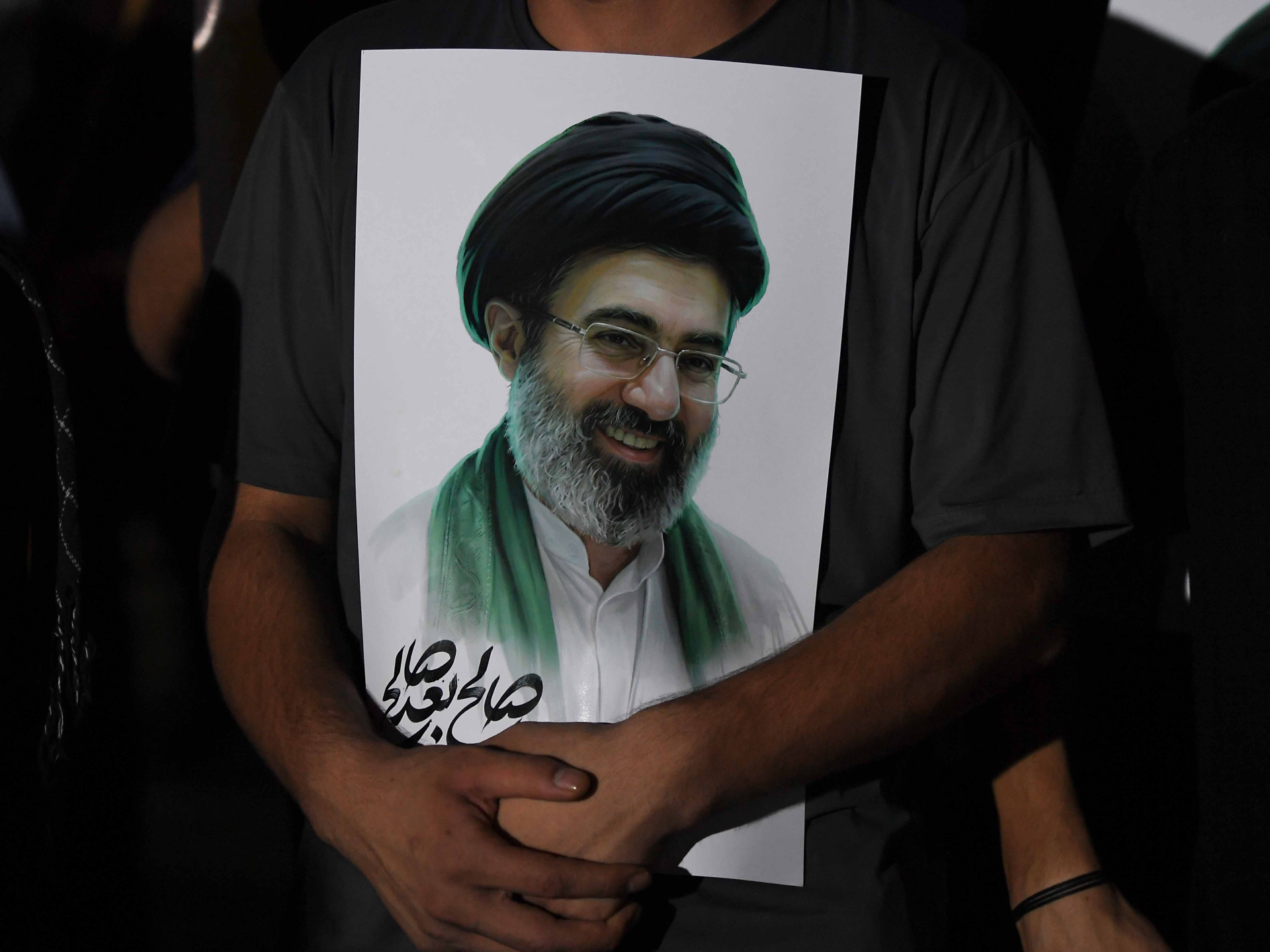

The geopolitical shockwaves rippling through the Middle East and North Africa following the assassination of former Supreme Leader Ali Khamenei continue to unsettle regional power dynamics. In his first Nowruz address since assuming leadership amid an unprecedented crisis, Moztaba Khamenei projected defiance, claiming Iran’s adversaries had been “defeated” despite sustained US and Israeli military pressure. This posture carries profound implications for sovereign capital allocation across the region, as Iran ramps up its “resistance economy” rhetoric while simultaneously denying responsibility for recent proxy attacks in Turkiye and Oman – incidents that have already prompted defensive investments from neighboring Gulf states.
The power transition in Tehran has created a new layer of sovereign risk calculus for MENA capital markets. With Iran’s leadership undergoing a succession during wartime, investors from Dubai to Riyadh are recalibrating exposure to frontier markets, particularly those with close Iran ties. The propagation of Iran’s resistance economy framework may catalyze further state-led infrastructure investment across Shia-majority regions in Iraq, Lebanon and even within PA-Pakistani trade corridors as Tehran seeks to solidify regional influence through asymmetric means. This defensive economic posture comes even as the Iranian regime appears more resilient than US-Israeli intelligence initially projected, potentially prolonging regional instability into the next fiscal cycle.
Beyond Iran’s borders, Khamenei’s offer of mediation between Afghanistan and Pakistan signals strategic outreach to stabilize Tehran’s eastern periphery ahead of anticipated escalation with Western powers. For regional venture and sovereign wealth funds, the current climate presents a bifurcated opportunity landscape: defensive rebalancing away from potential conflict zones while capitalizing on the inevitable reconstruction pipelines that typically follow extended periods of MENA instability. The trajectory of Iranian governance stability – or lack thereof – will likely dictate sovereign investment patterns across the region for quarters to come, with GCC economies already eyeing infrastructure investments to counter expanded Iranian influence while multi-lateral capital markets adjust risk premiums accordingly.