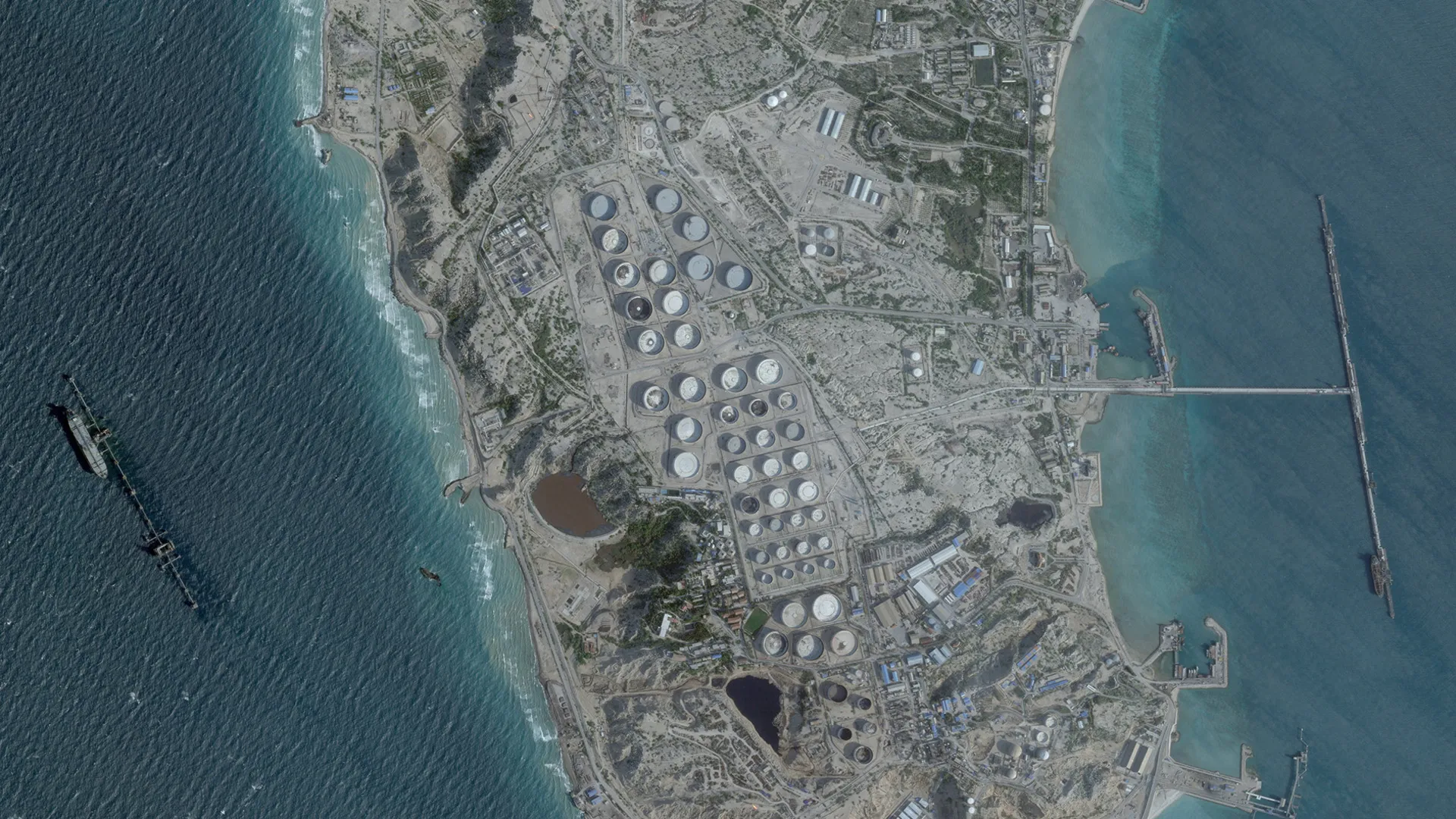

The reported sharingby U.S. President Trump of imagery depicting alleged strikes on Iran’s Kharg Island, the nation’s primary oil export terminal, represents far more than a symbolic act; it signifies a potent geopolitical escalation with profound and immediate ramifications for regional sovereign capital, energy markets, and long-term infrastructure dynamics. Analysts universally caution that a direct attack on Kharg Island would inflict catastrophic damage on Iran’s already beleaguered oil export capacity, potentially crippling its primary revenue stream. This scenario threatens to force Tehran into accelerated, destabilizing use of foreign exchange reserves to sustain domestic stability and military posturing, while simultaneously triggering volatility in oil futures and regional currency pegs linked to hydrocarbon exports. For Iran’s sovereign wealth funds and reserves held abroad, any significant disruption would necessitate immediate, liquidity-intensive interventions, likely drawing further scrutiny from international financial institutions and accelerating capital flight dynamics. The GCC states, acutely aware of their own energy security and potential spillover effects, face the imperative of stabilizing regional oil flows through potential output adjustments or strategic reserve releases, directly impacting their own sovereign investment portfolios and fiscal stability.
Concurrently, the specter of a Kharg Island attack catalyzes significant headwinds for venture capital and foreign direct investment inflows into the broader MENA region. Investor confidence, already fragile in the face of regional tensions and global energy transition uncertainties, faces renewed testing. The heightened risk premium associated with Iran – encompassing supply chain disruptions, potential retaliatory actions, and broader Middle Eastern instability – deters not only direct investments targeting Iran but also impacts perceptions of regional safety and infrastructure resilience across adjacent markets. This environment complicates the deployment of sovereign wealth funds and sovereign-backed development agencies into critical regional infrastructure projects – ports, energy grids, and logistics networks – projects increasingly reliant on stable geopolitical conditions and predictable sovereign credit profiles. The resulting capital flight risk and reduced risk appetite could significantly delay or de-risk these vital investments, exacerbating existing infrastructure deficits and hindering the long-term economic diversification strategies central to many MENA states’ sovereign development plans. The potential for cascading market reactions underscores the need for coordinated regional and international efforts to mitigate immediate energy security concerns and restore investor confidence in the sovereign capital framework underpinning regional economic resilience.
The long-term implications for regional infrastructure, particularly energy transportation networks and storage facilities, are equally critical and complex. Kharg Island’s status as a single-point-of-failure highlights systemic vulnerabilities in global energy infrastructure, prompting renewed scrutiny of redundancy and diversification strategies within the MENA region itself. Infrastructure projects, from expanded pipeline capacities (such as those potentially enhancing the Strait of Hormuz alternative routes) to advanced storage facilities, gain renewed strategic importance for sovereigns and state-linked entities. However, the immediate security uncertainty creates a paradox: while the need for enhanced resilience becomes paramount, the geopolitical risks deter the necessary foreign capital and technological partnerships required for substantial infrastructure modernization. This dynamic forces a recalibration, potentially accelerating intra-regional collaboration or increasing dependence on existing, albeit strained, state-centric infrastructure models. Furthermore, the event underscores the vulnerability of energy-dependent economies to asymmetric geopolitical actions, reinforcing the urgency – yet complicating the execution – of sovereign strategies to de-risk future revenue streams through energy transition investments and non-oil revenue diversification. The stability of sovereign credit ratings and the attractiveness of sovereign bonds for infrastructure financing in the MENA region now hinge significantly on navigating these immediate tensions and projecting a pathway towards sustained energy security and diversified economic foundations.