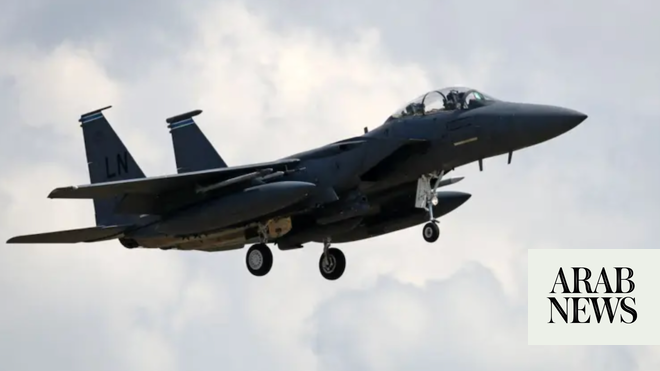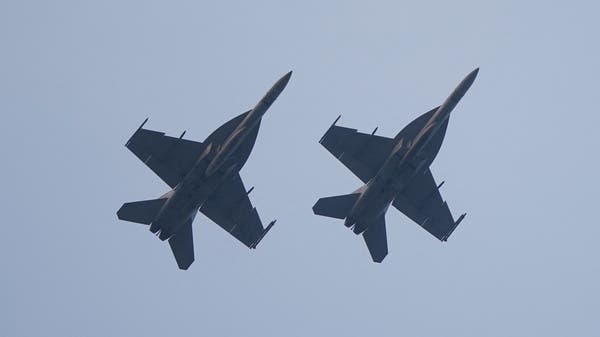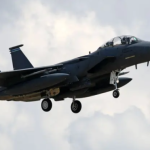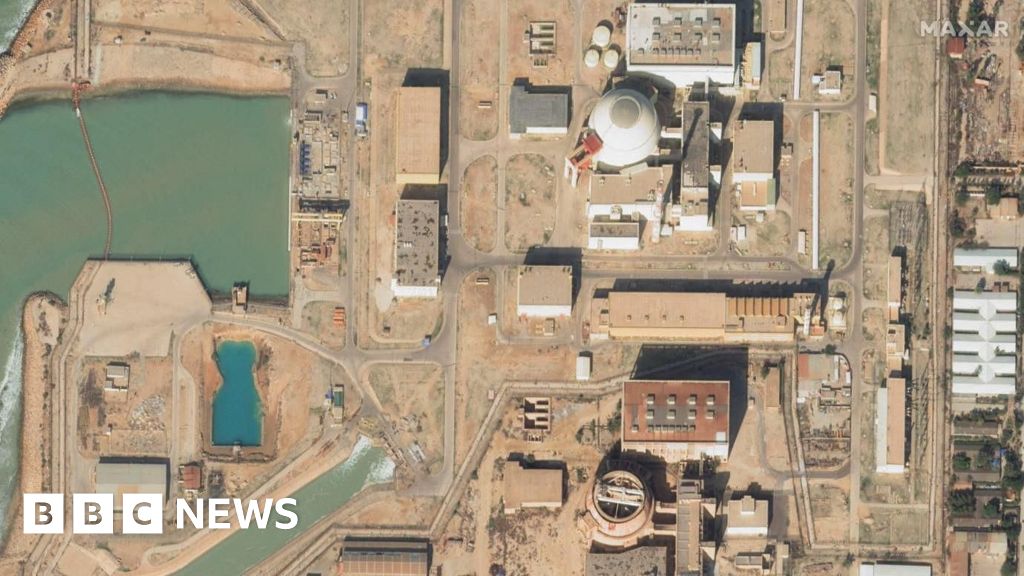

The recent geopolitical maneuvering by the United States, particularly the temporary halt of military strikes against Iranian energy infrastructure, underscores a critical shift in regional energy security dynamics. While the pause may temporarily stabilize oil prices and alleviate immediate fears of supply disruptions, the accompanying threats from Washington pose significant risks to investor confidence and long-term business planning in the Middle East and North Africa. For sovereign entities in the region, the situation heightens uncertainty surrounding capital flows, particularly given Iran’s vulnerability to sanctions and its strategic role in global energy markets. The potential for renewed conflict could deter foreign direct investment and strain sovereign capital reserves, especially as nations like Saudi Arabia and the UAE seek to hedge against external shocks while managing their own energy transitions. The volatility created by these developments may also divert sovereign funds toward domestic stability measures, rather than outward investments, further complicating regional economic integration.
From a venture capital perspective, the MENA region faces a precarious balance between opportunity and risk. The renewed hostilities could chill entrepreneurial activity in sectors tied to energy infrastructure, logistics, and supply chain resilience, which are critical to the region’s economic diversification efforts. Venture capitalists may shift focus toward defensive plays in cybersecurity and risk management, or pivot to non-energy sectors less exposed to geopolitical shocks. However, this uncertainty could also create a window for capital inflows into companies offering alternative energy solutions or geopolitical risk mitigation services. Given the region’s reliance on external capital for growth, the current climate demands a recalibration of investment strategies to account for heightened political instability, which could pressure both local and foreign investors to demand higher risk premiums or seek safer havens.
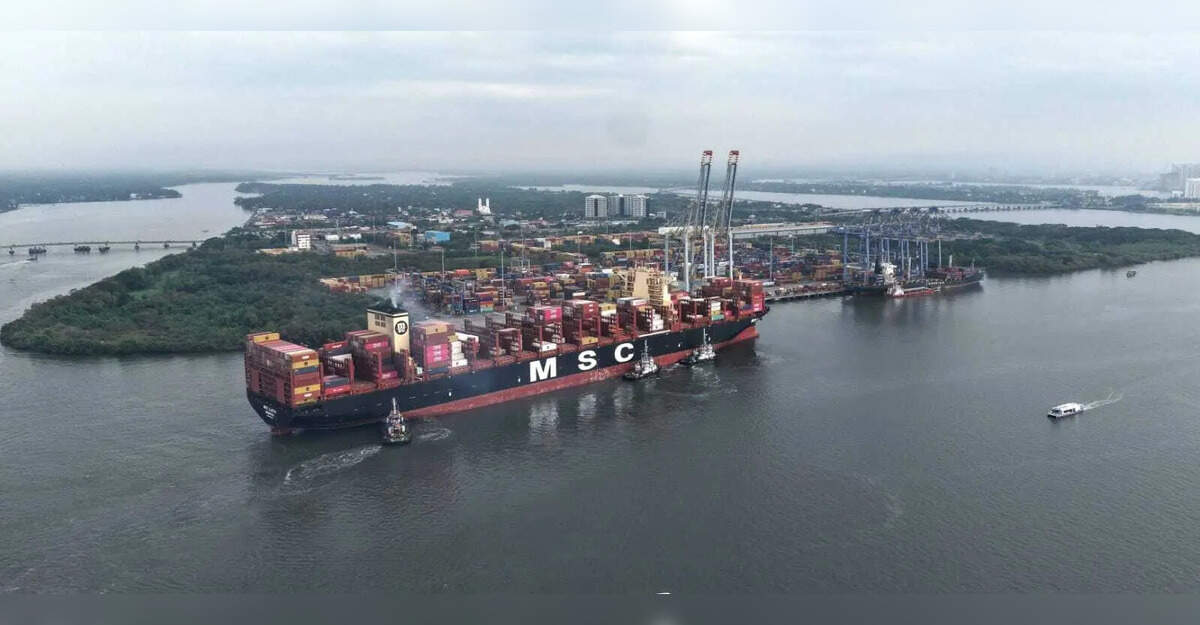
The imperative to secure and diversify regional infrastructure is more pressing than ever. The Strait of Hormuz, a vital chokepoint for approximately 20% of global oil shipments, remains a focal point of strategic interest. Any disruption to its operations, whether through conflict or deliberate rerouting, could have cascading effects on global energy markets and regional economies. For MENA nations, investments in alternative energy infrastructure, digital logistics systems, and regional trade corridors must prioritize redundancy and geopolitical adaptability. This includes accelerating efforts to reduce dependence on a single hub like Hormuz, while fostering partnerships that enhance energy security through cooperative ventures or blockchain-enabled trade platforms. The current geopolitical calculus compels policymakers to treat infrastructure resilience not merely as a logistical concern, but as a cornerstone of economic stability in an increasingly fragmented global order.