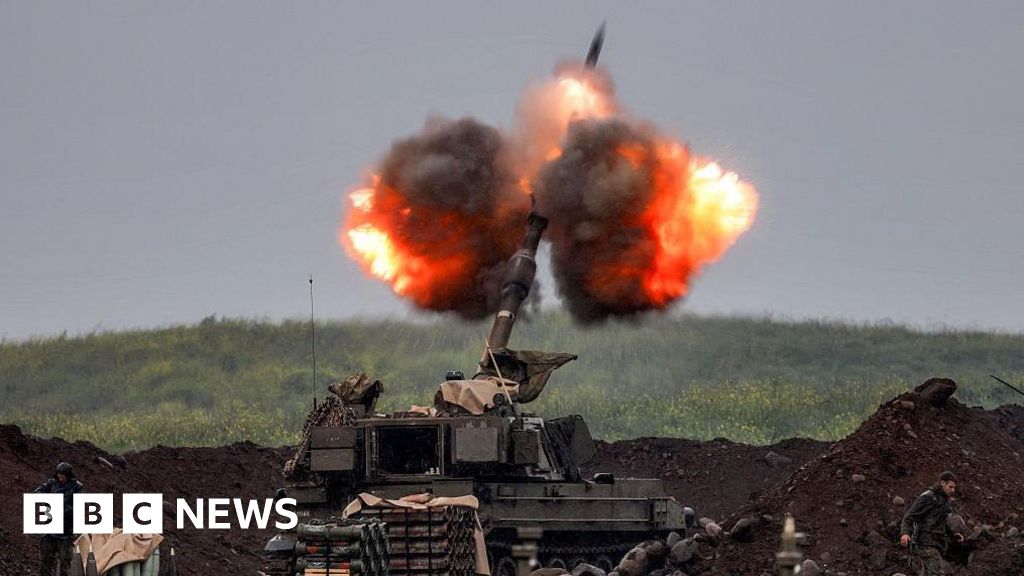

The ongoing escalation in the Middle East is triggering a volatile re-pricing of risk that is directly reshaping capital allocation strategies across the Gulf Cooperation Council (GCC) and broader MENA region. Sovereign wealth funds, including the UAE’s Mubadala and Saudi Arabia’s PIF, are observed accelerating defensive rotations within their massive portfolios, likely increasing liquid, non-correlated asset holdings at the expense of longer-dated, regionally Concentrated infrastructure and technology mandates. This tactical shift, while potentially slowing the pace of direct regional investments, underscores a prioritization of portfolio resilience amid acute geopolitical stress, with direct implications for the funding timelines of mega-projects from NEOM to Dubai’s logistic corridors.
The venture capital and private equity ecosystem across MENA, particularly in hubs like Dubai, Riyadh, and Cairo, faces a dual constraint: a risk-off sentiment from global limited partners coinciding with domestic capital being diverted toward fiscal stabilization and energy security. The surge in energy prices, while beneficial for hydrocarbon-exporting state budgets in the short term, introduces significant inflationary pressures that could compel regional central banks to maintain higher interest rates for longer. This environment dampens the discount rate calculus for growth-stage tech investments and may redirect sovereign venture arms toward later-stage, cash-generative enterprises within critical sectors like fintech, supply chain tech, and energy transition—areas deemed strategically essential regardless of macro volatility.
Regional infrastructure development, a cornerstone of economic diversification strategies, now confronts material cost inflation and potential supply chain disruptions. Projects reliant on imported materials and global subcontractors will see margin pressure, forcing a recalibration of public-private partnership models. Furthermore, the heightened risk premium may accelerate the region’s push toward financial and digital infrastructure sovereignty, including faster adoption of central bank digital currencies (CBDCs) and localized clearing systems to mitigate exposure to global financial circuit breakers. The strategic imperative to secure domestic food, water, and energy supplies will likely receive augmented sovereign funding, potentially crowding out some non-essential capital expenditure.
For regional bourses and capital markets, the scenario presents a complex outlook. While higher oil prices support fiscal buffers in key economies, the concomitant global monetary tightening fears and currency volatility could trigger intermittent capital outflows from equity markets. The decoupling of asset classes, as evidenced by the recent divergent performance of gold and risky assets, highlights a market in search of new hedging paradigms. Regional investors with significant dollar-denominated liabilities may find traditional safe havens less effective, potentially increasing allocation to gold and, selectively, to regulated digital asset frameworks as developed in the UAE and Bahrain, albeit with a pronounced focus on liquidity preservation over speculative growth.