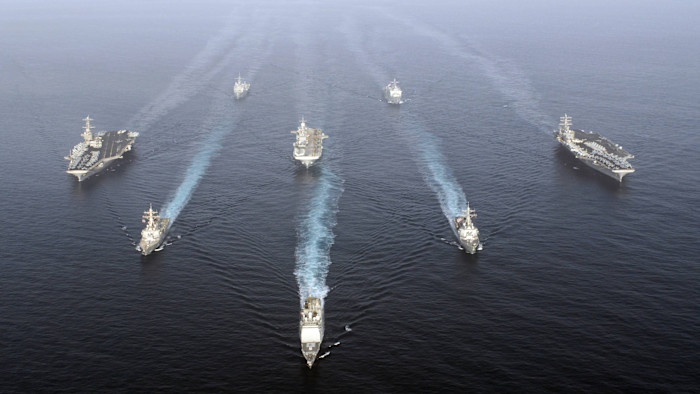

Recent escalatory rhetoric emanating from Tehran regarding the perceived actions of the United States and Israel carries significant and multifaceted implications for the broader Middle East and North Africa (MENA) region. While the immediate focus is on heightened tensions surrounding naval activity in the Red Sea and ongoing support for Hamas, the underlying message – a declared “good lesson” learned – represents a deliberate provocation designed to reshape regional power dynamics and challenge established security architectures. This assertive posture, coupled with Iran’s continued expansion of its military capabilities, necessitates a recalibration of risk assessments for regional investors and policymakers. The potential for wider conflict, even if contained, introduces substantial volatility into energy markets, supply chains, and geopolitical stability, demanding proactive mitigation strategies from governments and financial institutions.
The business impact is already being felt, particularly within sectors reliant on maritime trade. The Red Sea represents a critical artery for global commerce, and disruptions – whether through direct attacks or increased insurance premiums – will inevitably translate into higher costs for businesses across the MENA region and beyond. Simultaneously, sovereign wealth funds and institutional investors are likely to reassess their exposure to assets tied to countries perceived as destabilizing. We anticipate a surge in demand for alternative investment opportunities in nations prioritizing stability and diversification, potentially diverting capital away from traditionally favored markets. Crucially, this environment will accelerate the push for greater regional economic integration, driven by a shared desire to reduce reliance on external actors and bolster domestic resilience. The potential for increased sovereign capital investment within regional infrastructure projects, particularly in logistics and energy, is a tangible outcome of this heightened risk perception.
Venture capital activity within the MENA tech sector is also poised for a strategic shift. While innovation remains a key driver of economic growth, the current geopolitical climate will likely prioritize investments in cybersecurity, critical infrastructure resilience, and technologies supporting national security. We foresee a move away from purely consumer-facing ventures towards those offering tangible benefits to governments and strategic industries. Furthermore, the increased focus on regional defense and intelligence capabilities will fuel demand for specialized technology solutions, creating opportunities for local tech companies capable of meeting these specific needs. However, access to international capital will remain a critical bottleneck, requiring innovative financing models and a concerted effort to foster domestic venture ecosystems.
Finally, the escalating tensions underscore the urgent need for enhanced regional infrastructure development and diversification. The reliance on single maritime routes, exemplified by the Red Sea, exposes vulnerabilities that demand immediate attention. Investments in alternative transportation corridors – including rail and road networks – are paramount, alongside bolstering port infrastructure and strengthening cybersecurity defenses. Sustained regional cooperation, facilitated by initiatives like the Abraham Accords and broader economic partnerships, will be vital in mitigating the destabilizing effects of this heightened geopolitical environment. Without a concerted, strategic approach to infrastructure and economic diversification, the MENA region risks becoming increasingly susceptible to external pressures and further economic fragmentation.