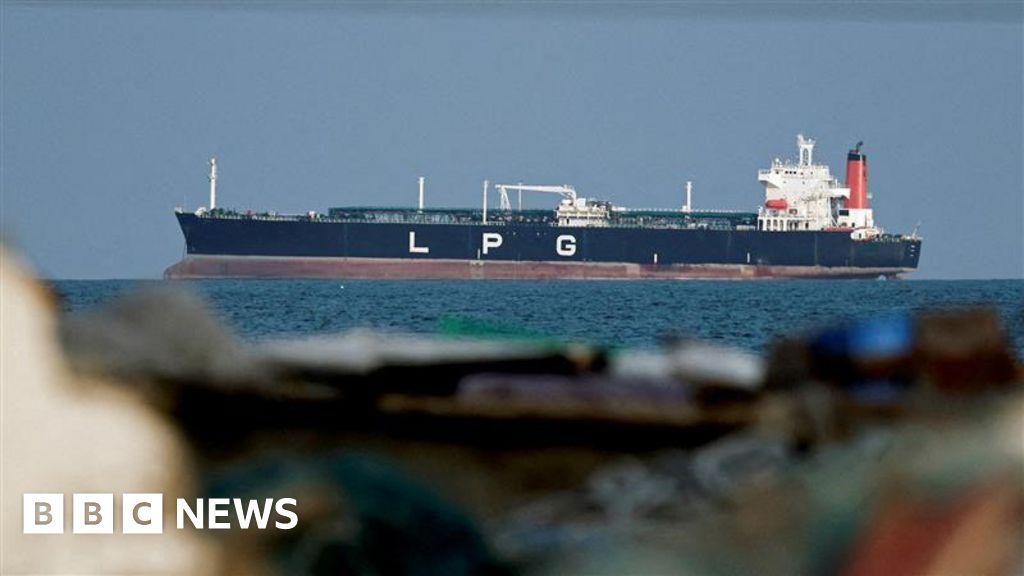

The escalating tensions in the Red Sea corridor represent a profound juncture for the Middle East and North Africa’s economic architecture. For the region, this is not merely a logistical chokepoint but a strategic asset whose stability underpins the viability of its oil export lifelines, shipping hubs like Jebel Ali and Jeddah Islamic Port, and broader aspirations to cement logistical supremacy as global trade patterns shift toward Asia. Sovereign capital across the Gulf states, already deeply invested in port expansions and maritime trade zones, now faces renewed urgency to de-risk their logistical networks amid volatile maritime insurance costs and rerouting risks that inflate operational expenses.
Venture capital’s trajectory in MENA has begun pivoting sharply toward maritime cybersecurity, satellite-enabled trade monitoring, and drone-based port surveillance, as investors see these technologies as indispensable shields against geopolitical disruptions. Saudi Arabia’s Vision 2030 maritime diversification and the UAE’s expanding transshipment capacity hinge on stable access to these sea lanes; blocked routes could slow FDI inflows and diminish sovereign creditworthiness by constraining non-oil revenue streams. Infrastructure strides in Oman’s Duqm port and Egypt’s Suez Canal economic zone now confront intensified scrutiny over geopolitical risk premiums layered onto their viability models.
What emerged from recent diplomatic discourse is the clear implication that an isolated state-level response will prove insufficient; coordinated economic postures—potentially facilitated through frameworks like the Belt and Road Initiative—will be necessary to underwrite robust trade corridor guarantees. Without such stabilization, the region’s ambition to act as the connective tissue between Europe, Asia, and Africa faces material erosion. The stakes are existential for the Gulf’s logistical value proposition: sustaining investor confidence, protecting sovereign creditworthiness, and preventing a shift in maritime power balances toward alternative chokepoints such as East Africa.