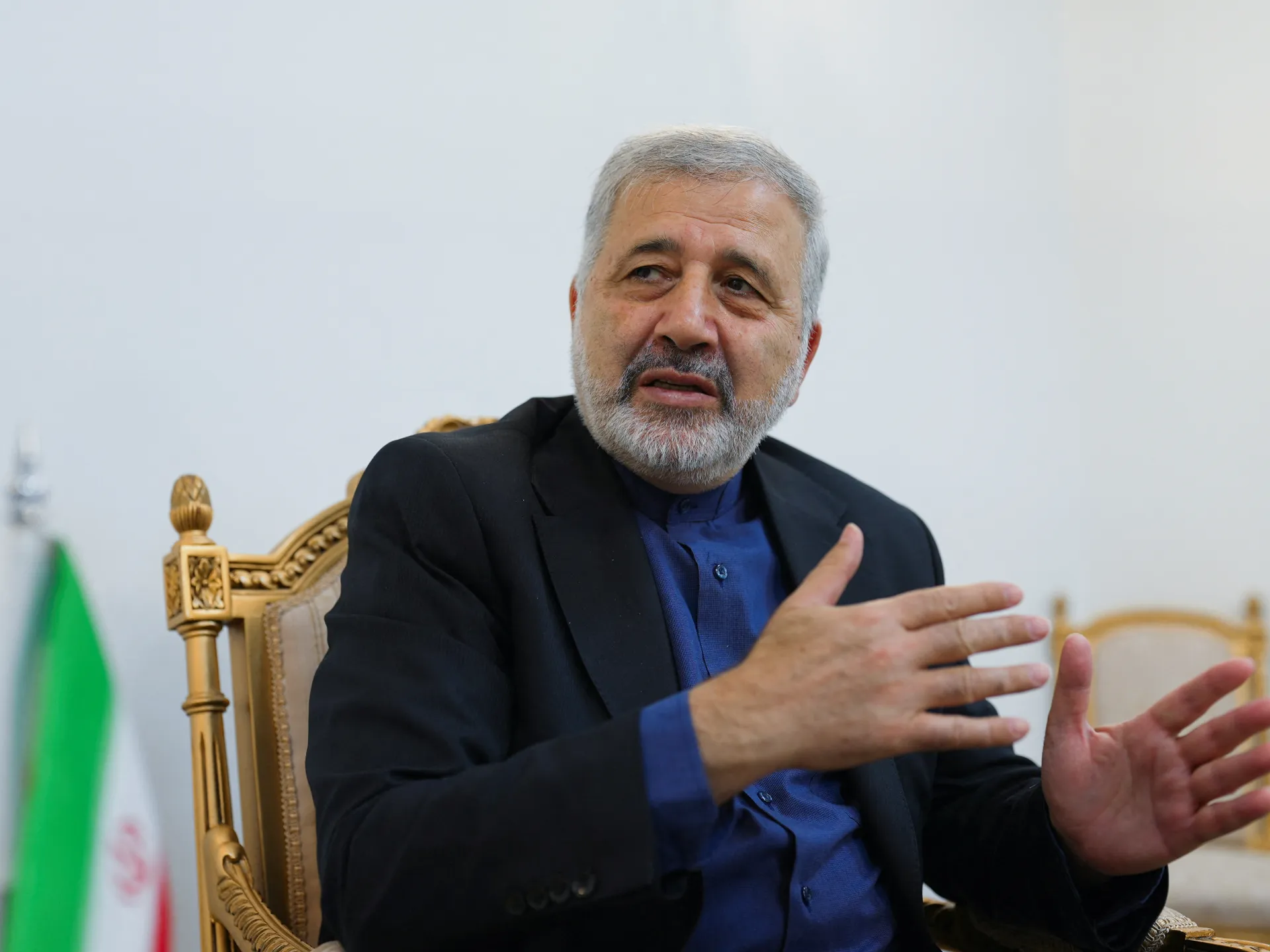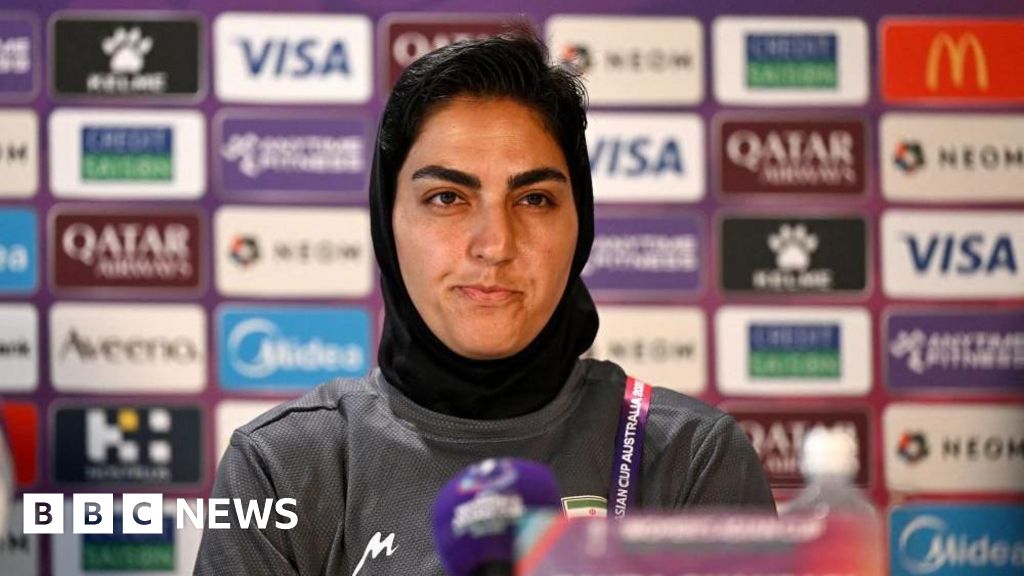

Shiva Amini’s allegations against Iran’s Football Federation underscore the systemic interference of the Islamic Revolutionary Guard Corps (IRGC) in sectors beyond military and political spheres, signaling a broader pattern of state consolidation that could destabilize private sector growth across the Middle East and North Africa (MENA). Such interventions—targeting even sports administration—reveal a governance model where quasi-military entities exert undue influence over institutional operations, deterring foreign investors wary of opaque, state-directed capital allocation. For a region already grappling with macroeconomic headwinds, this erosion of institutional autonomy risks exacerbating capital flight, as multinational corporations reassess commitments in an environment where even sports—a low-stakes sector—can become a proxy for political power struggles.
The IRGC’s involvement in athletic governance highlights vulnerabilities in MENA’s sovereign capital frameworks, where sovereign wealth funds and state-backed entities increasingly dominate key industries. While sovereign capital in the region is often touted as a driver of modernization and infrastructure development, its entanglement with security apparatuses creates competing priorities that undermine private enterprise. Venture capital firms, already cautious about investing in authoritarian regimes, may retreat further if state mechanisms weaponize capital flows to consolidate control over sectors once deemed apolitical. This dynamic weakens diversification efforts, as state dominance in capital-intensive projects crowds out equity markets critical for scaling startups and innovation hubs.
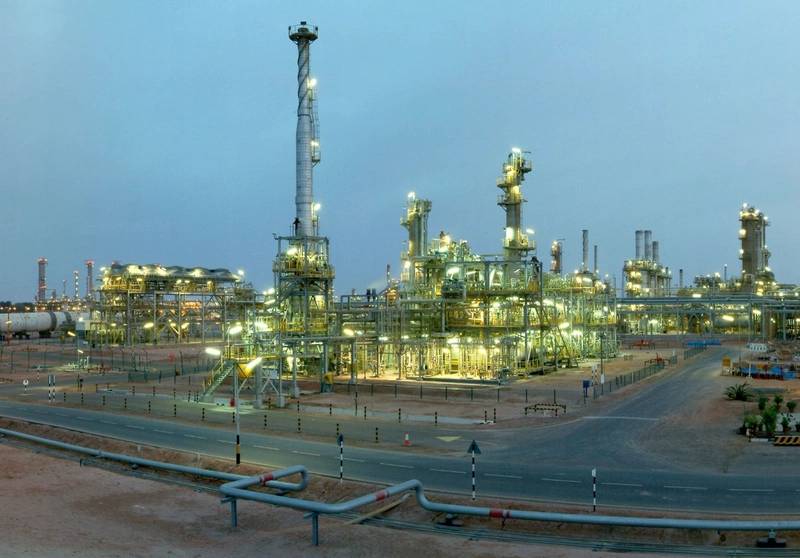
Regional infrastructure initiatives, such as Saudi Arabia’s NEOM or UAE’s Masdar City, depend on predictable, nonpartisan governance to attract long-term investment. The politicization of sports administration—mirroring broader trends in media, education, and civil society—signals a risk that infrastructure spending may prioritize patronage networks over efficiency, risking white-collar capital withdrawal. For instance, inflated procurement contracts tied to regime-linked entities, akin to Iran’s alleged interference, could inflate costs and reduce ROI for foreign firms. This not only stifles regional integration but also entrenches patronage systems that deter meritocratic talent flows and institutional resilience.
Ultimately, the spillover effects of such interference extend beyond Iran’s borders. Business leaders across MENA must contend with reputational risks as state interference in non-traditional sectors fuels narratives of systemic corruption and instability. For venture capital firms, this reinforces the need for de-risking strategies centered on ESG frameworks that account for geopolitical unpredictability. Meanwhile, sovereign investors face mounting pressure to align capital strategies with international governance standards—a challenge when domestic priorities clash with global expectations. Without structural reforms to depoliticize capital allocation, the region risks perpetuating cycles of instability that undermine both its business climate and infrastructure ambitions.