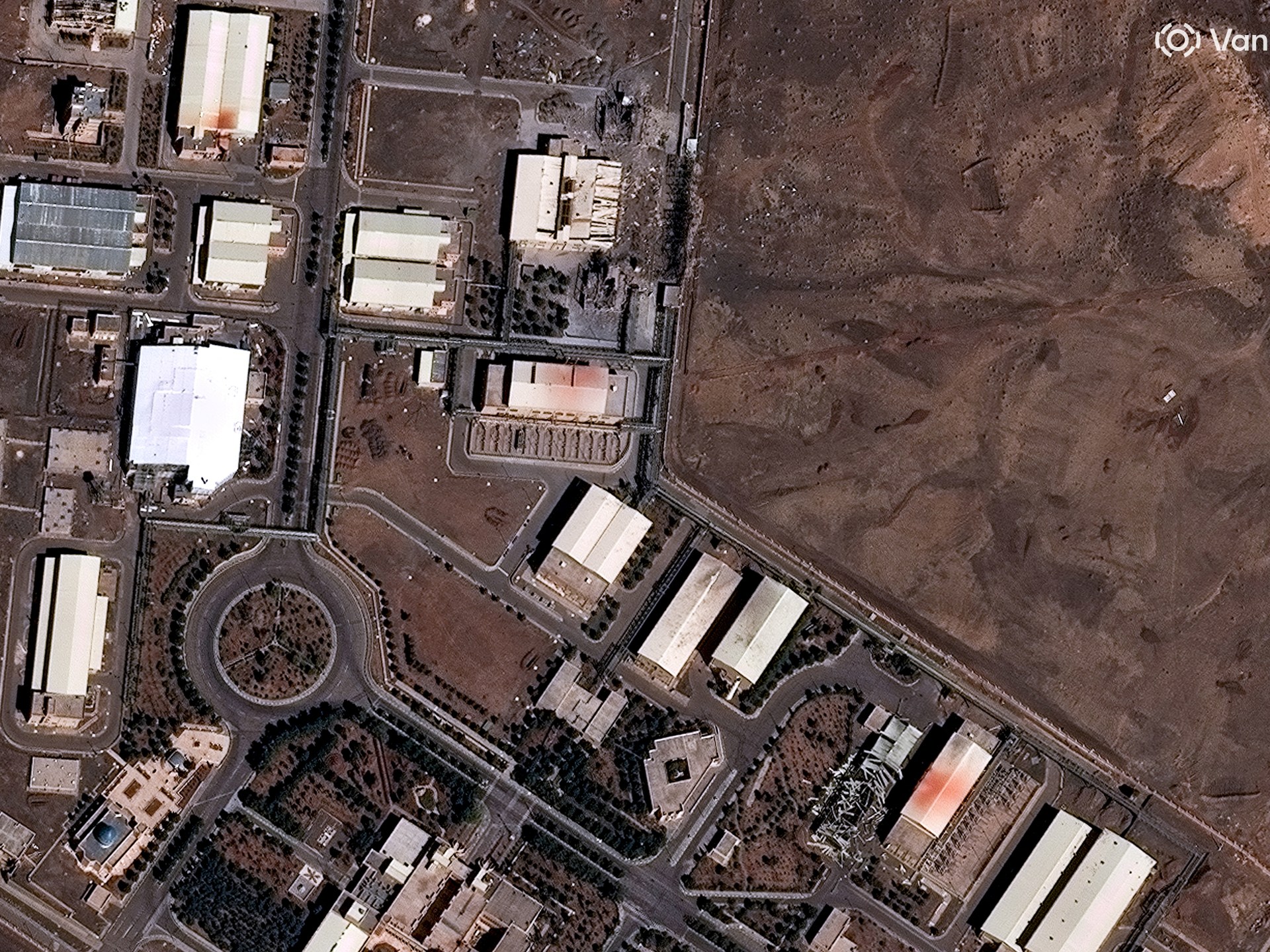

The recent targeted strike on Iran’s Natanz nuclear facility, attributed to the United States and Israel, represents a significant escalation in regional tensions with profound implications for the Middle East and North Africa’s financial and technological landscape. While Iranian authorities report no radioactive material leakage, the incident underscores the vulnerability of critical infrastructure and the potential for disruption to Iran’s nuclear program, a key factor influencing geopolitical stability and investment sentiment. The attack, following previous incidents including one during the 2025 Iran-Israel conflict, highlights the ongoing strategic competition and the inherent risks associated with the region’s complex security environment.
The business impact is multifaceted. Beyond the immediate damage to the Natanz facility, the heightened geopolitical risk will likely deter foreign direct investment (FDI) across Iran, particularly in sectors reliant on international technology and expertise. Sovereign wealth funds (SWFs) from the GCC region, already cautious due to sanctions and political instability, will likely further curtail exposure to Iranian assets. Conversely, the conflict could accelerate the development of Iran’s domestic technology sector, driven by a need for self-reliance and import substitution, though this will be constrained by existing sanctions and limited access to advanced technologies. The broader MENA region faces increased volatility in energy markets, potentially impacting oil prices and trade flows, requiring regional economies to bolster their resilience through diversification and strategic reserves.
The role of sovereign capital and venture capital (VC) warrants close scrutiny. Iranian sovereign funds, while possessing substantial assets, face limitations in international deployment. The current climate will likely reinforce this isolation. However, the conflict could spur increased domestic VC activity focused on sectors deemed strategically important by the Iranian government, such as cybersecurity, defense technology, and alternative energy. Regional VC firms, particularly those with a mandate to support technological innovation, will need to carefully assess the escalating risks and potential opportunities, balancing financial returns with geopolitical considerations. The IAEA’s repeated calls for restraint underscore the need for international cooperation to prevent further escalation and mitigate the risk of a nuclear incident, which would have catastrophic economic consequences for the entire region.
Infrastructure implications are equally critical. The attack on Natanz exposes the fragility of critical infrastructure networks in the region, demanding increased investment in cybersecurity and physical protection measures. Furthermore, the conflict could accelerate the development of alternative energy sources and energy infrastructure projects across the MENA region, reducing reliance on Iranian oil and gas. The ongoing war, and the potential for further attacks, will necessitate a reassessment of regional supply chains and a greater emphasis on diversification and resilience. Ultimately, the stability and prosperity of the MENA region hinges on de-escalation and a renewed commitment to diplomatic solutions, fostering an environment conducive to sustainable economic growth and technological advancement.